Why Bi-Annual HVAC Filter Changes Reduce Energy Costs
A well-maintained HVAC system helps control home energy expenses effectively. One of the simplest maintenance tasks involves replacing air filters twice a year. This practice improves air quality, lowers energy use, reduces strain on the system, and prolongs equipment life. Homeowners often overlook the impact of a clean filter on utility bills. Experts in HVAC and energy efficiency highlight regular filter changes as a highly cost-effective strategy.
Basics of HVAC Filter Costs
Residential HVAC filters typically cost between ten and forty dollars, depending on size, brand, and filtration efficiency. Pleated filters average fifteen to twenty-five dollars each, while reusable electrostatic filters range from fifty to one hundred dollars and endure several years with regular cleaning. In most areas, the expense of two annual replacements yields savings that exceed the outlay through decreased system workload.
Prices vary by region. Urban areas with elevated energy rates may charge slightly more for premium filters due to demand for efficient options. Rural locations often feature lower prices but limited selections for advanced types. Retailers frequently discount filters in spring and fall, aligning with peak HVAC maintenance periods. Broader economic factors, such as material shortages or shipping expenses, also affect costs for filter components.
Common Pricing Structures for HVAC Filters
HVAC filter purchases follow four primary models:
- Individual unit buys, where customers purchase single filters on demand.
- Bulk packs, which provide savings for multiple filters bought together.
- Subscription services, delivering fresh filters at set intervals without reminders.
- Professional maintenance packages, incorporating filter swaps into routine tune-ups.
Subscriptions gain traction by simplifying scheduling. Service packages, priced at one hundred to two hundred dollars per session, cover cleaning, checks, and replacements. This comprehensive method often lowers overall expenses by averting extensive repairs.
Filter Types and Associated Costs
Filters vary by performance level and price, balancing air quality with affordability:
- Fiberglass basics at five to ten dollars capture large particles like dust but offer minimal indoor air benefits.
- Pleated options from ten to thirty dollars trap finer elements such as pollen and pet dander, serving as a standard residential choice.
- Electrostatic models around fifty to one hundred dollars use static charge to attract particles and support repeated washing.
- HEPA-level filters exceeding one hundred dollars suit homes needing superior purity, ideal for allergy or respiratory concerns.
Premium filters enhance energy savings by preserving airflow over time. Research from energy efficiency groups indicates that mid-tier pleated filters, changed twice yearly, reduce annual bills by ten to fifteen percent compared to annual or infrequent swaps.
Factors Affecting HVAC Filter Expenses
Homeowners face several influences on filter spending. System size dictates filter dimensions, with larger units demanding more material. Configurations requiring multiple or custom filters add complexity and cost. Daily HVAC operation accelerates dust buildup, necessitating quicker replacements. Filter materials range from inexpensive paper pleats to pricier synthetics or electrostatic elements. Established brands and certified performance standards command higher prices but deliver reliable results.
Additional Services and Fees
Professional assistance introduces potential extras for filter work. Common charges include:
- Installation fees of fifteen to thirty dollars during service visits.
- Inspection costs at fifty to one hundred dollars, sometimes separate from replacements.
- Duct cleaning services starting at several hundred dollars to optimize airflow alongside new filters.
- Rush fees increasing bills by twenty to thirty percent for urgent calls.
Contractors affiliated with brands like Trane or Carrier provide seasonal plans that bundle filter changes without added fees. These often include priority access, beneficial during high-demand seasons.
Mechanisms of Energy Savings from Regular Replacements
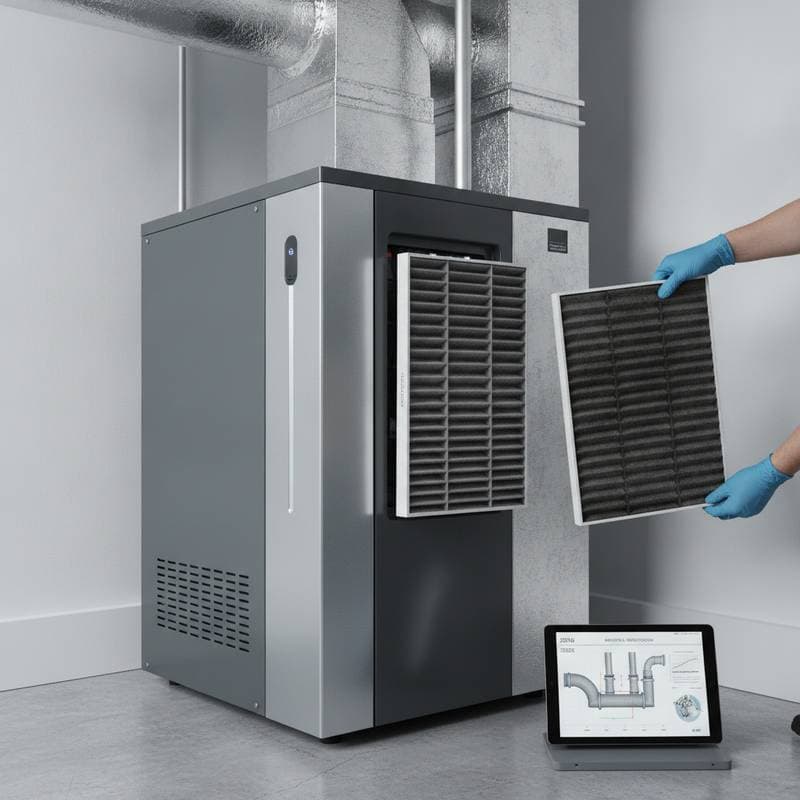
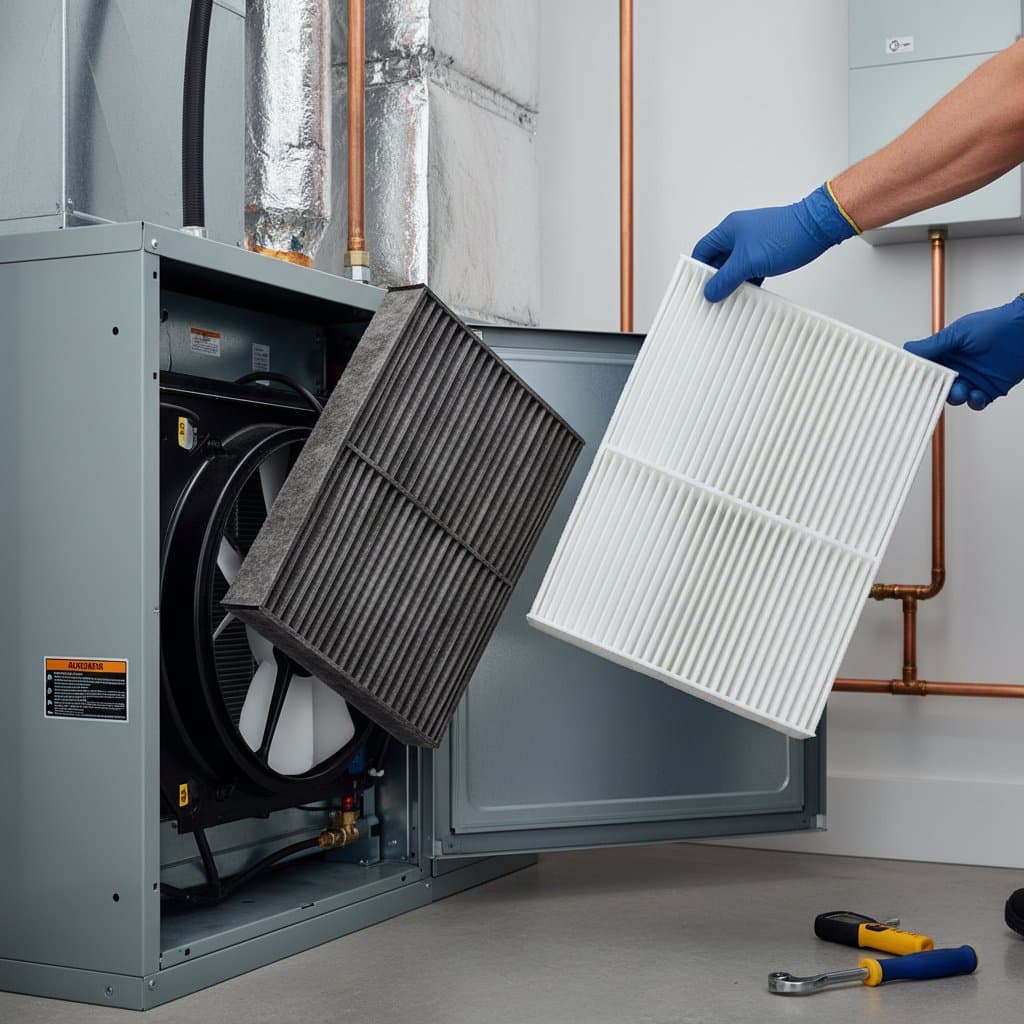
Dirty filters impede airflow, compelling the HVAC system to labor more intensely. This resistance elevates power draw. Data from the U.S. Department of Energy shows that fresh filters cut energy use by five to fifteen percent. Annual savings appear clearly on bills, particularly in homes with intensive heating or cooling needs.
Twice-yearly changes keep filters in peak condition for unrestricted air movement. Smooth fan operation minimizes component wear, benefiting the blower motor and compressor. HVAC specialist James Porter from AirCare Solutions notes that neglected filters cause most early failures through airflow issues, not inherent flaws.
Long-Term Financial Benefits
Consistent bi-annual replacements yield tangible returns. A household investing two hundred dollars yearly in filters and upkeep might save ten dollars monthly on energy, totaling one hundred twenty dollars annually and covering much of the cost. Cumulative effects grow over time, including reduced repairs and extended system durability.
Pairing filter changes with thermostat adjustments and duct reviews creates a holistic efficiency strategy. This prevents imbalances like uneven temperatures. Studies reveal that diligent maintenance routines lower total energy expenses by up to twenty percent versus neglectful practices.
Pitfalls in Filter Maintenance
Homeowners frequently delay changes until filters show obvious dirt, allowing prolonged airflow limits. Selecting MERV ratings beyond system capacity poses another risk; high ratings filter finely but may choke airflow if incompatible. Always consult manufacturer guidelines prior to upgrades.
Implementing Effective Filter Habits
Establish bi-annual replacements as a straightforward routine to trim bills and enhance air quality. Schedule changes for spring and fall to coincide with broader system evaluations. Select filters suited to your household, factoring in pets or sensitivities, for optimal outcomes. This proactive step safeguards your investment and promotes a healthier living space.