Understanding the 2026 EPA Refrigerant Regulations
The Environmental Protection Agency has introduced regulations that will phase down high global warming potential refrigerants in air conditioning systems. These changes target substances like R-410A, pushing the industry toward lower impact options such as R-32 and R-454B. Homeowners must prepare their systems to maintain cooling efficiency and avoid escalating repair costs.
This article outlines the implications of the transition, its effects on residential cooling, and practical preparation steps. By acting early, individuals can ensure compliance, enhance performance, and minimize expenses.
Impacts on Residential Air Conditioning Systems
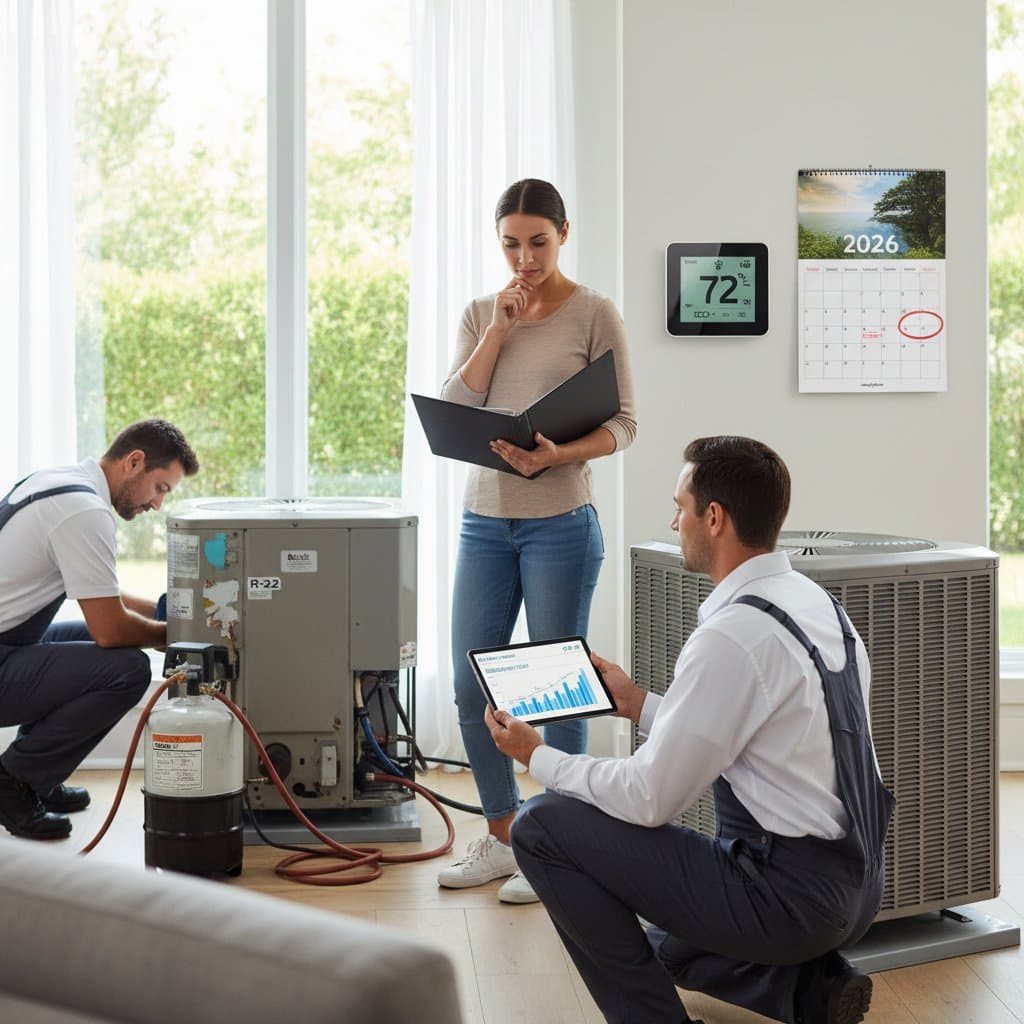
Refrigerant restrictions influence the availability and pricing of maintenance materials. Systems relying on phased-out refrigerants, such as R-22, already encounter supply shortages, which drive up service fees. Technicians report that recharging an older unit can cost hundreds more than in previous years due to limited stock.
For units using R-410A, the phase-down begins in 2025, with production cuts accelerating by 2026. This shift compels homeowners to consider upgrades sooner. Newer refrigerants enable systems with advanced designs that operate at lower pressures, improving safety and reducing energy consumption by 20 to 30 percent in many cases.
A professional insight shared in industry discussions highlights that the transition alters system architecture entirely. Homeowners who delay preparation risk extended downtime during peak summer periods when service demands peak.
Developing a Comprehensive Maintenance Plan
Regular upkeep extends the usability of current equipment and identifies needs before the 2026 deadline. Focus on these targeted actions to optimize performance.
- Arrange an annual professional assessment. Technicians use specialized tools to detect refrigerant levels, inspect for corrosion, and verify the exact type through labels or serial numbers.
- Inspect and seal ductwork thoroughly. Use mastic sealant on joints to prevent up to 20 percent energy loss from leaks, easing the burden on the compressor.
- Maintain condenser and evaporator coils. Remove dirt buildup with a soft brush and coil cleaner solution quarterly to sustain airflow and prevent overworking the unit.
- Upgrade to programmable or smart thermostats. These devices adjust settings based on occupancy, potentially cutting cooling costs by 10 percent through precise control.
- Clear vegetation and debris around outdoor units. Maintain at least two feet of clearance to ensure unobstructed airflow, which supports even cooling distribution.
- Monitor indoor humidity levels. Install a dehumidifier if needed to reduce the system's workload in humid climates.
These practices not only conserve energy but also prevent leaks that release harmful refrigerants into the atmosphere. Consistent care positions systems for smoother adaptation to new standards.
Evaluating Financial Implications
Upgrading to compliant systems requires investment, yet strategic approaches mitigate the burden. A standard central air unit replacement costs between $3,000 and $7,000, influenced by capacity in tons, SEER rating, and regional labor rates.
Homeowners can navigate expenses effectively with these methods:
- Obtain detailed bids from certified providers. Review inclusions like warranties and post-installation testing to compare value accurately.
- Pursue available incentives. Federal tax credits under energy efficiency programs reimburse up to $2,000 for qualifying high-SEER units, while local utilities may offer additional rebates.
- Explore financing options. Low-interest loans through home improvement programs or manufacturer plans allow payments over 5 to 10 years without high upfront outlays.
- Time installations strategically. Schedule during fall or winter when contractors face lower demand, often securing discounts of 10 to 15 percent.
Forward planning transforms potential financial stress into manageable upgrades. Track expenses in a dedicated budget to align with household cash flow.
Anticipating Supply Chain Adjustments
The refrigerant phase-down disrupts traditional supply networks, making legacy parts scarcer by 2026. Repair delays could extend from days to weeks as distributors prioritize new inventory.
Proactive measures help maintain reliability:
- Build a partnership with a local HVAC specialist. Regular check-ins provide updates on inventory shifts and personalized advice for your setup.
- Document all service history meticulously. Records of past recharges and component replacements aid in sourcing compatible alternatives quickly.
- Inquire about conversion kits. For R-410A systems under 10 years old, retrofits to A2L refrigerants may extend life by 3 to 5 years at a fraction of full replacement cost.
Industry professionals emphasize that informed clients navigate transitions with minimal interruption. Early engagement secures priority access to resources during high-demand periods.
Realizing Advantages of Updated Systems
Adopting low global warming potential refrigerants yields substantial gains in operation and sustainability. Modern units feature variable-speed compressors that adjust output dynamically, leading to quieter performance and consistent indoor temperatures.
Energy Department analyses indicate that compliant systems lower annual electricity use by 25 percent on average compared to pre-2010 models. This efficiency translates to savings of $200 to $400 yearly for typical households.
Environmentally, the change curtails potent greenhouse gases, aligning homes with broader climate goals. For those considering property sales, an updated cooling system enhances appeal, potentially boosting resale value by 1 to 2 percent in eco-aware markets.
Securing Future Cooling Reliability
The 2026 regulations prompt a vital update to residential air conditioning. Begin by decoding your unit's model plate for refrigerant details and assessing its operational age.
Collaborate with EPA-certified technicians to explore tailored solutions, from tune-ups to full installations. Maintain detailed logs of performance metrics and adhere to seasonal checklists.
These efforts ensure uninterrupted comfort, curb unnecessary spending, and foster a resilient home environment. Embrace the transition as a pathway to enhanced efficiency and enduring value.