Enhance Indoor Air: Your Fall HVAC Filter Replacement Guide
Clean indoor air promotes health and comfort, but numerous homeowners overlook the critical role their HVAC filter plays. As temperatures drop and homes seal against the chill, the air system operates more intensively to regulate warmth and circulation. A routine filter replacement stands as one of the most straightforward methods to sustain efficiency and purity in your living environment. This guide covers filter selection, replacement procedures, and upkeep practices tailored for the fall season to elevate air quality and system reliability.
Impacts of a Clogged Filter on Air and Efficiency
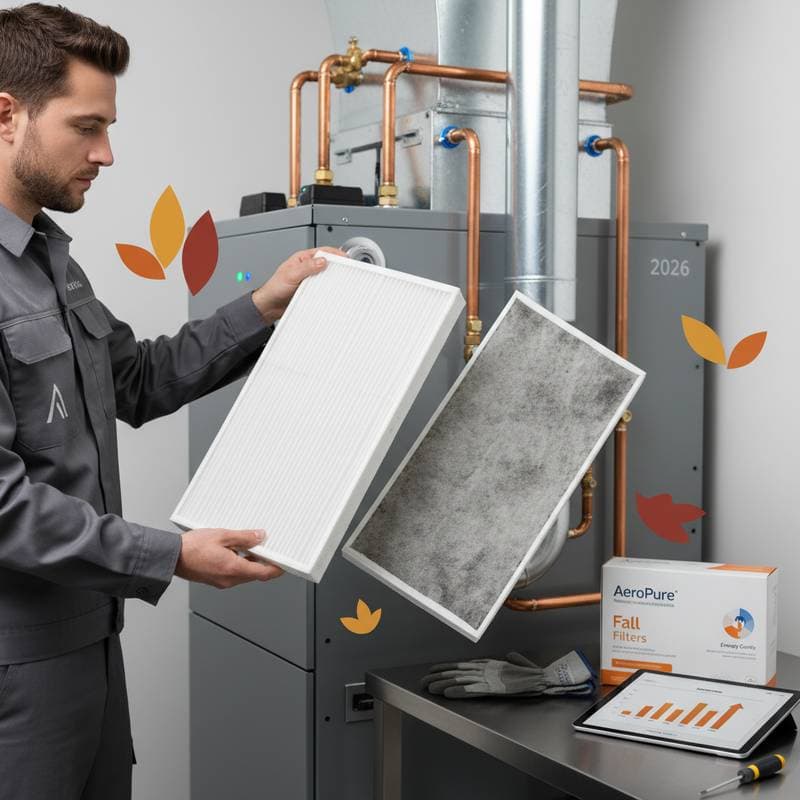
Clogged filters impede air passage, creating multiple issues that erode comfort and security over time.
-
Elevated Energy Use
The blower motor exerts extra force to push air through obstructions. This increased workload results in elevated electricity bills. According to the U.S. Department of Energy, timely filter changes can decrease energy consumption by as much as 15 percent. -
Compromised Air Purity
Particles like pollen, dust, and pet allergens cycle back into rooms. Such recirculation intensifies allergy symptoms and breathing difficulties, particularly during prolonged indoor seasons. -
Inconsistent Temperature Distribution
Limited airflow leads to uneven delivery of heated air. Certain rooms may feel drafty or overly warm, beyond the thermostat's ability to adjust. -
Accelerated Wear on Components
Continuous strain from restricted flow causes overheating or frost formation in heating elements. Frequent replacements shield the blower, evaporator coils, and related parts from premature failure.
Detailed Guide: Replacing Your HVAC Filter
The replacement process requires mere minutes, though uncertainty often deters homeowners. Adhere to these steps for a secure and effective update.
-
Power Down the Unit
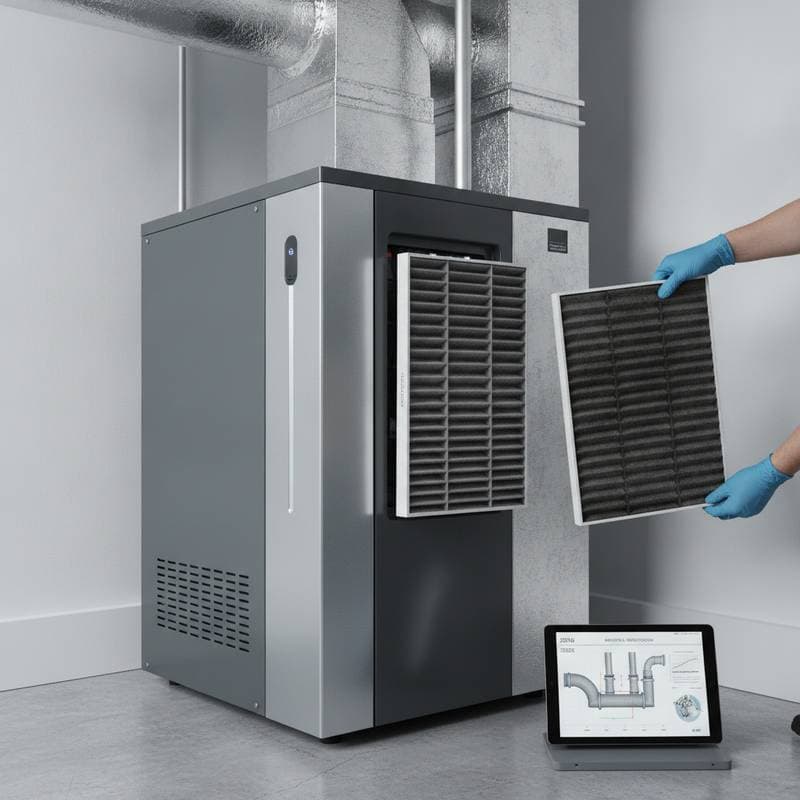
Switch off the HVAC system at the thermostat and breaker. This action avoids drawing dust into ducts while handling the filter. -
Identify the Filter Slot
Common locations include the return grille or within the air handler enclosure. Consult the unit's manual if needed, or observe directional arrows on the existing filter for guidance. -
Extract the Used Filter
Pull it out carefully to prevent dislodging particles. Seal it promptly in a disposal bag to limit airborne contaminants. -
Verify Dimensions
Note the size markings on the frame, typically formatted as 16x25x1 inches. Select a replacement that matches precisely to ensure a snug fit. -
Position the Fresh Filter
Align the airflow indicators on the frame toward the incoming air direction, usually facing the blower or furnace interior. -
Close Up and Reactivate
Reattach the access panel securely. Restore power and monitor for steady operation, confirming vents remain unobstructed.
Home improvement authority Tom Silva from This Old House emphasizes that incorrect airflow orientation can diminish efficiency by up to 20 percent. Mastering this aspect yields substantial performance gains.
To further assist, consider filter types beyond basics. Fiberglass options capture larger debris at minimal cost, while pleated varieties trap finer particles for superior filtration. For allergy sufferers, electrostatic or HEPA-rated filters provide advanced allergen capture, though they demand compatible systems.
Evaluating Expenses and Realizing Savings
Filter costs depend on material and dimensions. Standard fiberglass models start at a few dollars each, whereas premium pleated or activated carbon filters command higher prices for enhanced capabilities. Bulk purchases of compatible sizes often yield discounts for quarterly or bimonthly routines.
Over extended periods, these investments pale against repair expenses. A neglected filter risks damaging the blower motor or fouling coils, with service calls averaging hundreds of dollars. Consistent maintenance curbs energy demands, yielding direct reductions in heating bills.
One documented example from a residential upkeep resource illustrates a household that adopted bimonthly replacements. They achieved a 12 percent drop in yearly heating expenditures, attributed solely to optimized airflow and lessened furnace stress. Such outcomes underscore the financial wisdom of proactive care.
Additional savings arise from integrating filter swaps with broader efficiency measures. Pair replacements with duct inspections or thermostat calibrations to amplify benefits. Homeowners in variable climates report compounded gains, often recouping costs within a single season.
Sustain Performance Through Fall and Beyond
Schedule your fall filter inspection amid seasonal preparations. Pair it with vent dusting and a furnace tune-up to fortify against winter demands. These targeted efforts ensure sustained warmth, reduced allergens, and lower operational costs, transforming routine maintenance into lasting home advantages.