Understanding the 2026 MERV Standards
Homeowners across the United States face a significant change in HVAC maintenance with the introduction of updated Minimum Efficiency Reporting Value (MERV) standards by fall 2026. These regulations aim to enhance indoor air quality and improve energy efficiency in residential systems. Filters with ratings below MERV 8 will no longer meet the minimum requirements, prompting a widespread upgrade to options between MERV 8 and 13.
The MERV scale measures a filter's ability to capture particles, from large dust to fine allergens. Higher ratings indicate better filtration, but they also increase resistance to airflow. The new standards balance health benefits with system performance, ensuring cleaner air without overburdening HVAC units. This transition addresses growing concerns about airborne pollutants, especially in regions with poor outdoor air quality.
Why Upgrade Now
Delaying the upgrade until the deadline risks supply shortages and higher costs as manufacturers phase out low-MERV products. Current filters may still function, but they fall short of the enhanced filtration needed to reduce indoor contaminants like pollen, pet dander, and viruses. Upgrading proactively supports better respiratory health for family members and extends the lifespan of your HVAC system.
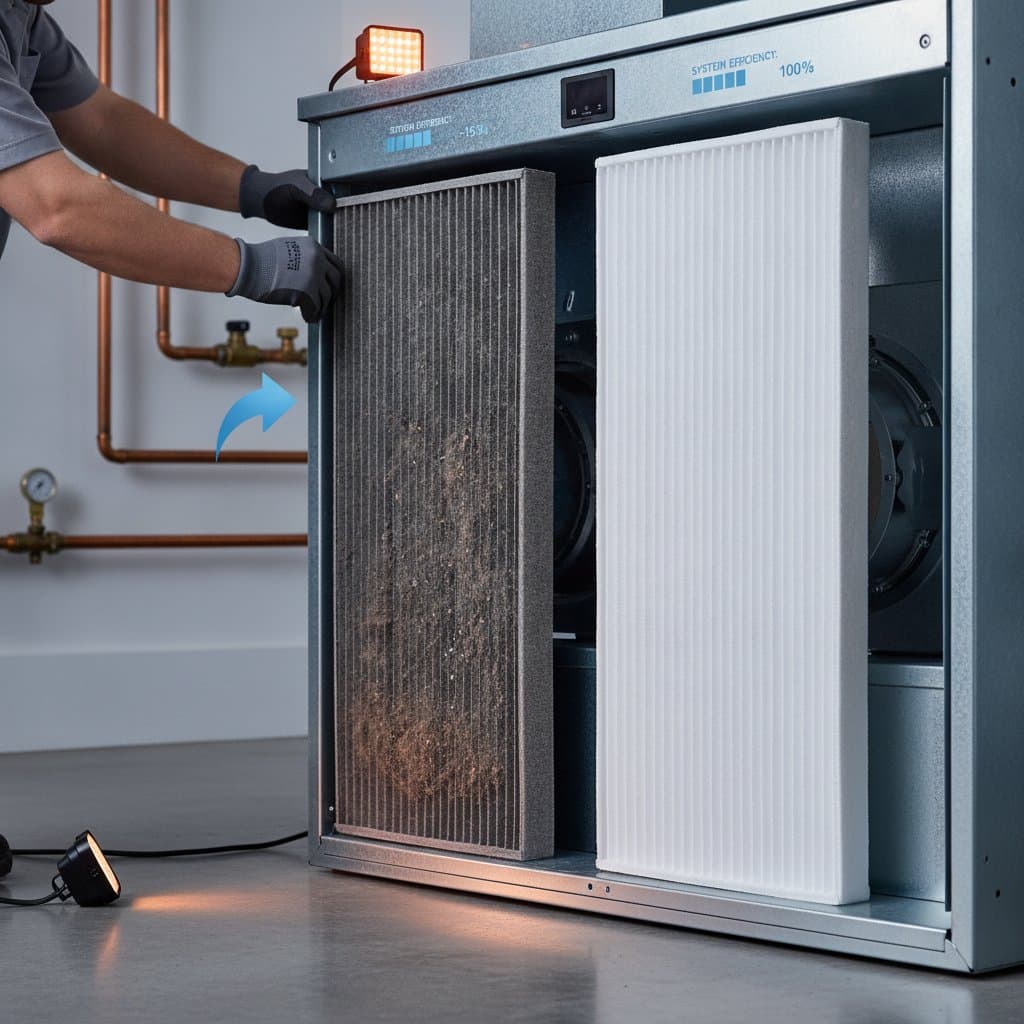
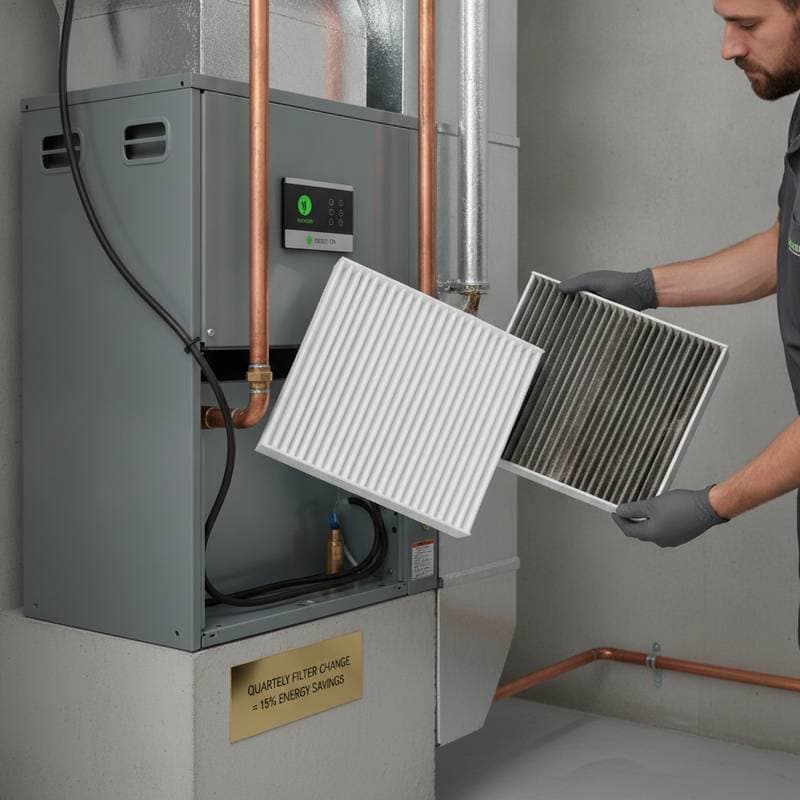
Energy savings represent another key advantage. Higher-MERV filters trap more debris, preventing buildup on coils and motors, which reduces strain and lowers utility bills. Studies show that proper filtration can improve efficiency by up to 15 percent, making the investment worthwhile before the mandatory shift.
Choosing the Right Filter
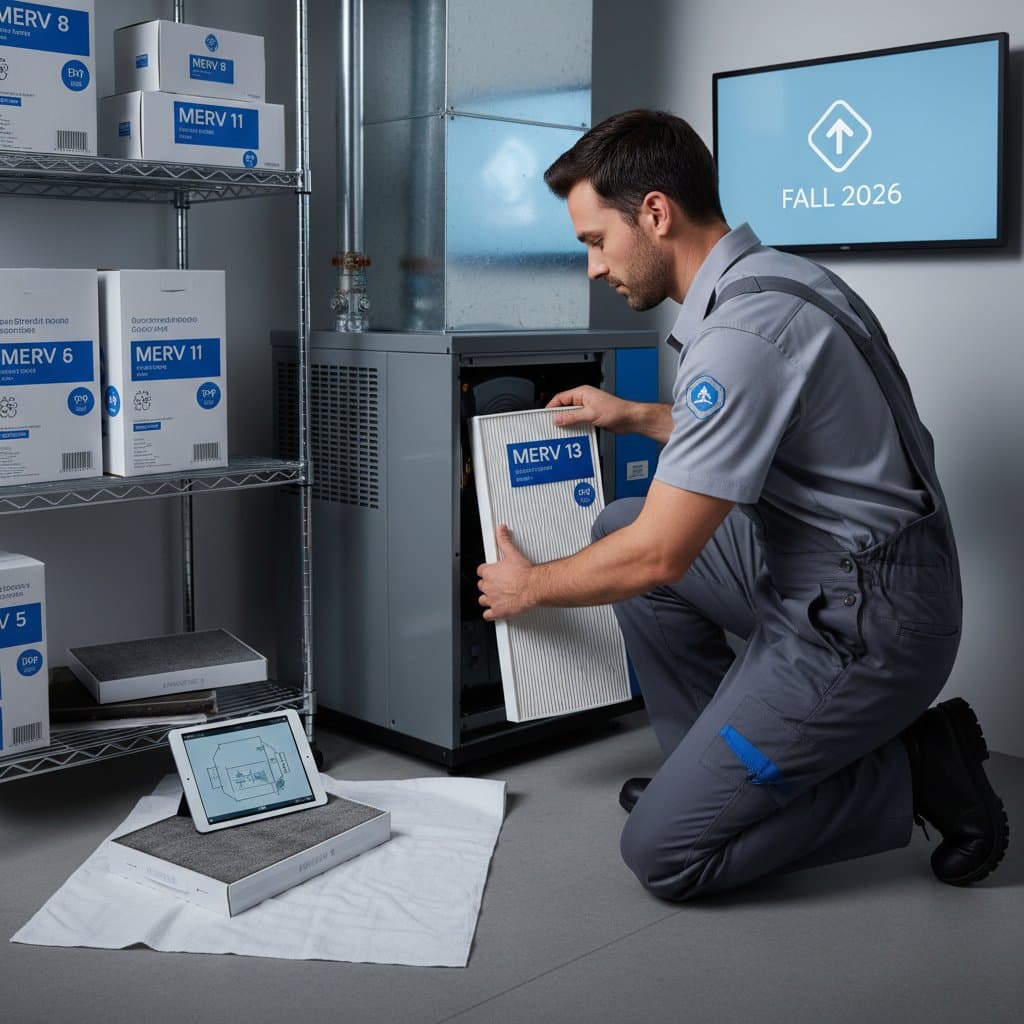
Select a filter based on your home's specific needs and HVAC capabilities. For standard residential use, a MERV 8 to 11 rating suffices for capturing common household particles while maintaining adequate airflow. Homes with allergy sufferers or pets benefit from MERV 12 or 13, which trap finer particles without excessive pressure drop.
- Verify the exact dimensions of your current filter, as sizes often vary by fractions of an inch. Measure the slot in your HVAC unit or consult the owner's manual.
- Opt for pleated filters over fiberglass ones for superior durability and efficiency.
- Consider electrostatic filters if your system handles higher resistance; these attract particles using static charge.
Avoid assuming universal fit, as mismatches lead to poor sealing and reduced performance. Retailers offer sizing charts, but professional measurement ensures accuracy.
Checking System Compatibility
Not all HVAC systems accommodate higher MERV ratings without adjustments. Older units, particularly those installed before 2000, may experience reduced airflow with MERV 13 filters, leading to overworking the blower motor and potential breakdowns.
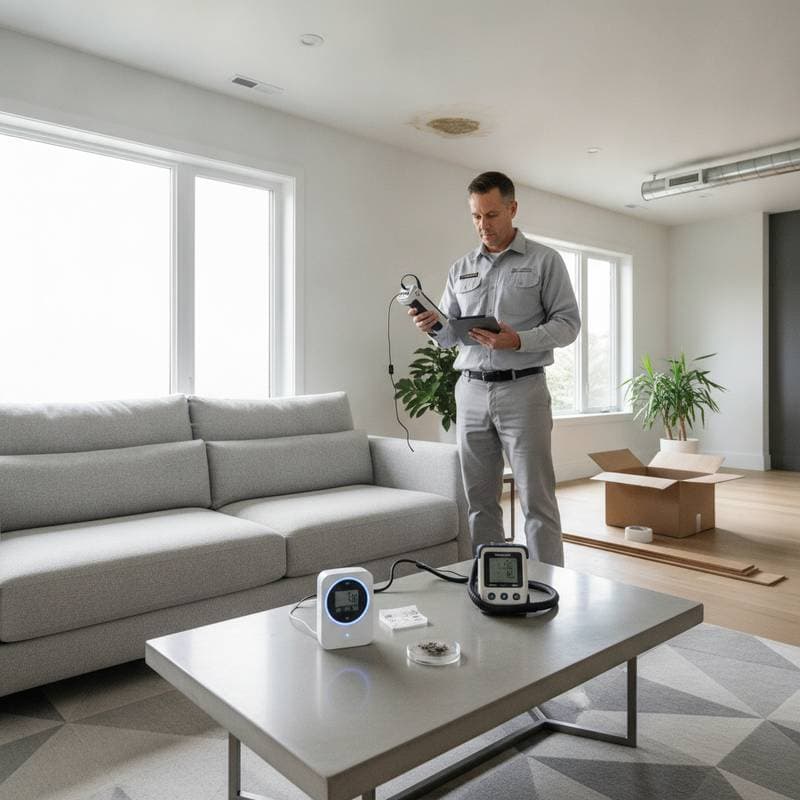
Contact a licensed HVAC technician for an assessment if uncertainty exists. They perform a simple airflow test using an anemometer to measure velocity through the ducts. This evaluation identifies whether duct modifications or a variable-speed blower upgrade become necessary.
In many cases, systems rated for MERV 8 or higher require no changes. Technicians also inspect for issues like dirty coils or undersized returns, which compound airflow problems. Addressing these during the check prevents future repairs and ensures compliance with the 2026 standards.
Steps to Upgrade Your Filter
Begin the process by gathering supplies and scheduling time for installation. Purchase filters from reputable suppliers to guarantee quality and adherence to ASHRAE guidelines, which underpin the new MERV requirements.
- Turn off power to the HVAC unit at the thermostat and breaker to ensure safety.
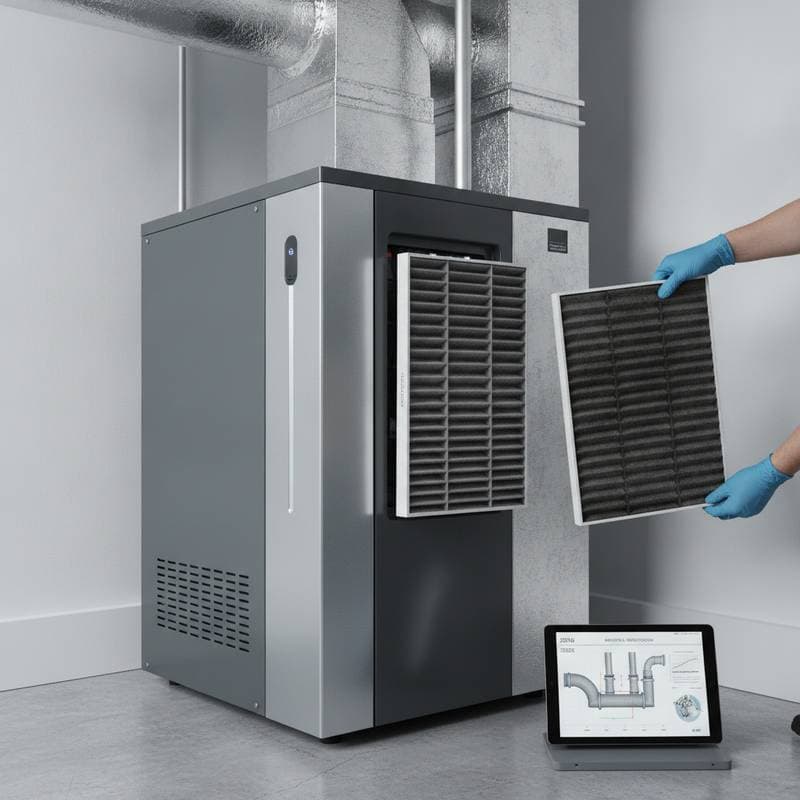
- Locate the filter slot, typically near the return air duct or furnace.
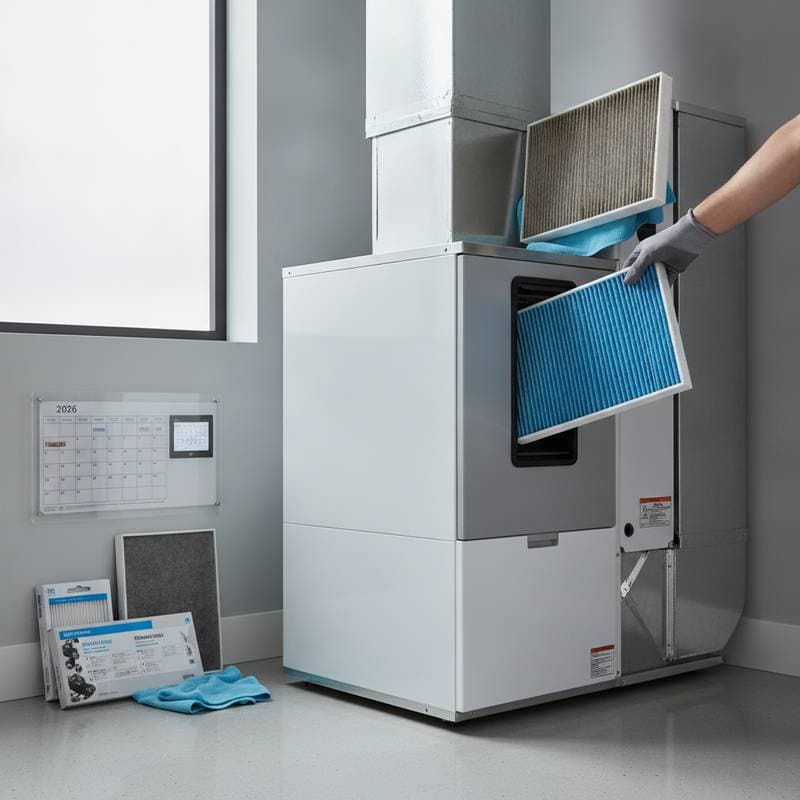
- Remove the old filter, noting its orientation; arrows indicate airflow direction.
- Insert the new filter, ensuring a snug fit without gaps.
- Restore power and run the system briefly to check for unusual noises or weak airflow.
If the filter housing appears damaged, replace it to maintain a tight seal. This simple procedure takes less than 15 minutes for most homeowners.
Preparing for the Transition
Supply chains will adapt to prioritize compliant filters, but demand may spike closer to fall 2026. Stock several replacements now to avoid shortages, especially during peak allergy seasons. Store them in a dry area to preserve pleats and media integrity.
Integrate the upgrade into your seasonal maintenance routine. Schedule a professional cleaning of the evaporator coils, blower, and drain pan to complement the new filter. Inspect the filter housing for rust or warping, which could impede performance.
Homeowners in humid climates should prioritize filters with antimicrobial coatings to prevent mold growth. These additions enhance the system's ability to deliver fresh air year-round.
Long-Term Maintenance Strategies
After installation, monitor filter condition regularly to sustain benefits. Inspect monthly by holding the filter to light; replace immediately if more than 50 percent of the surface darkens with debris.
- Vacuum registers and vents quarterly to remove surface dust.
- Seal duct joints with mastic sealant to minimize leaks, which bypass filtration.
- Arrange annual professional tune-ups to calibrate airflow and efficiency.
These habits not only meet MERV standards but also optimize energy use. Track replacement dates on a calendar to stay ahead of clogs.
Benefits of Compliance and Beyond
Embracing the 2026 standards transforms your home into a healthier environment. Cleaner air reduces allergy symptoms and improves sleep quality, while efficient filtration cuts energy costs. Your HVAC system operates more reliably, delaying major repairs and enhancing property value.
Look ahead to integrate smart thermostats or air quality monitors for real-time insights. These tools alert you to filter changes and track improvements in particulate levels. By acting now, you position your home for sustained comfort and compliance well into the future.