Why Fall Chimney Checks Prevent Winter Disasters
A warm fire transforms a chilly evening into a cozy retreat, yet this comfort conceals potential dangers if the chimney lacks proper maintenance. Fall serves as the optimal period for homeowners to arrange a chimney inspection and cleaning. Delaying until midwinter frequently results in expensive repairs, safety risks, or system failures. A fall chimney check ranks among the simplest and most economical preparations for colder months.
Hidden Risks Inside the Chimney
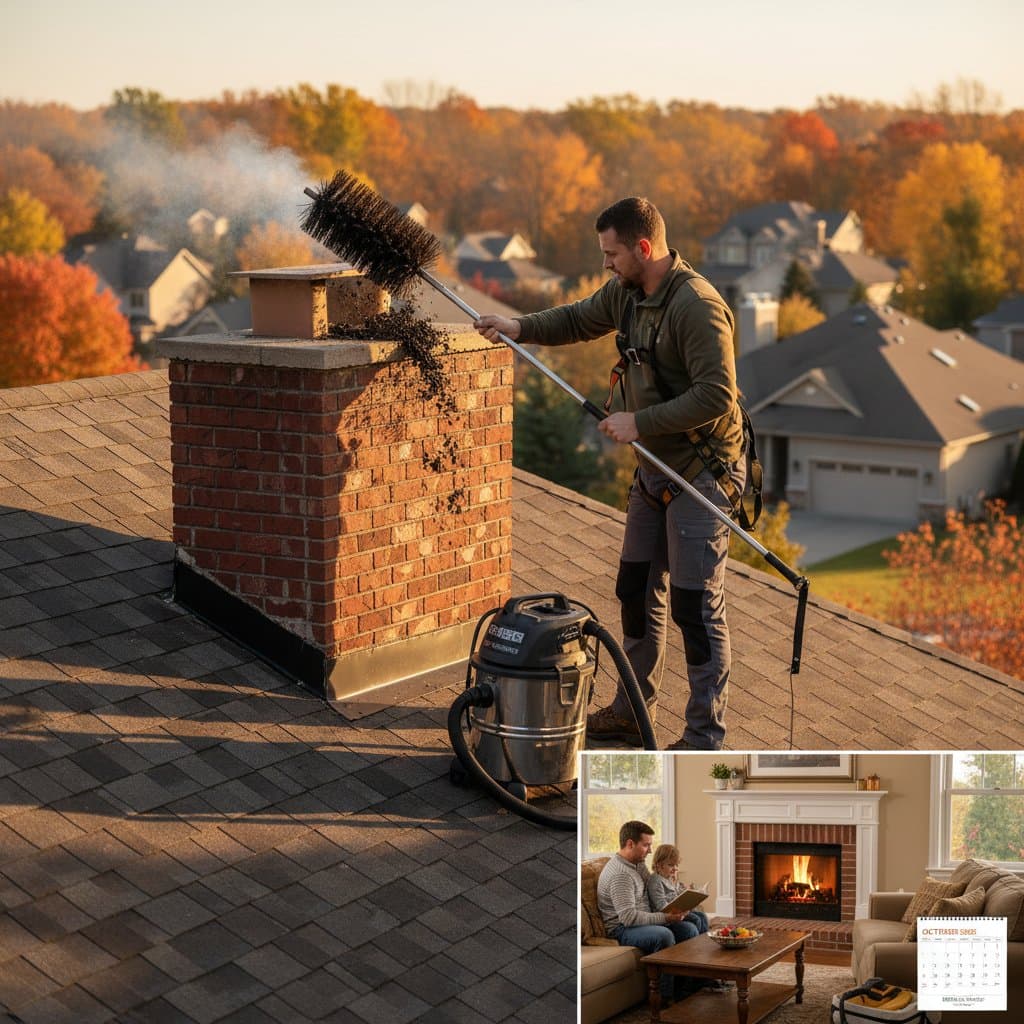
A chimney appears sound from the exterior yet may conceal severe internal issues. Soot, creosote, and debris accumulate along the flue walls over time. Creosote, the sticky residue from wood combustion, proves highly flammable; even a thin layer can ignite and spark a chimney fire without removal. The Chimney Safety Institute of America identifies creosote buildup as a primary cause of residential chimney fires.
Blockages from nests, leaves, or fractured masonry further complicate matters. Such obstructions hinder proper venting of smoke and carbon monoxide, permitting hazardous gases to infiltrate living areas. Professional sweeps detect these threats well in advance, protecting families from harm.
Why Fall Is the Right Time for Inspection
Fall inspections offer multiple benefits for homeowners. They allow sufficient time to complete necessary repairs prior to heating season. Addressing masonry cracks, damaged liners, or absent caps proves simpler in temperate conditions. Lower temperatures prolong the curing of mortar and sealants, complicating and escalating repair costs.
Chimney specialists experience lighter schedules in early fall versus midwinter crises. Early booking secures preferred appointment slots and sidesteps the surge following initial cold spells.
Annual fall maintenance averts unexpected issues. Numerous homeowners learn too late of bird or squirrel nests formed in the flue over spring and summer. Clearing these obstructions before the season's first fire avoids smoke backups and minimizes exposure to toxic gases.
Step-by-Step: What Happens During a Chimney Inspection
Qualified chimney sweeps adhere to a systematic process to confirm system safety. The inspection typically encompasses:
-
Exterior Check: The technician assesses the chimney cap, crown, flashing, and masonry for cracks, corrosion, or displaced bricks. These defects permit water ingress, fostering structural deterioration.
-
Interior Examination: Specialized lights or video cameras enable inspection of the flue liner for damage, accumulations, or blockages.
-
Smoke Chamber and Firebox Inspection: Professionals scrutinize these zones for wear indicators or gaps that might allow smoke to seep into the home.
-
Creosote Removal: Brushes or rotary tools facilitate the safe extraction of soot and creosote deposits.
-
Verification Test: Post-cleaning, the technician confirms effective chimney draft and smooth damper function.
These procedures validate safety while enhancing heating efficiency through unobstructed smoke and gas flow.
Common Problems Found in Fall Inspections
Chimney experts routinely uncover overlooked concerns during fall evaluations. Frequent discoveries include:
-
Cracked Chimney Liners: Fractures enable heat and gases to vent into walls or attics, heightening fire dangers.
-
Damaged Crowns or Caps: Absent or fractured components admit rain and snow, resulting in freeze-thaw degradation.
-
Loose Masonry or Mortar: Water infiltration erodes bricks, compromising chimney integrity.
-
Excessive Creosote: Accumulations elevate fire risks and impede airflow, diminishing fire efficiency.
-
Animal Nests: Birds, raccoons, and squirrels frequently inhabit idle chimneys; their nests obstruct ventilation and generate substantial hazards.
Early detection simplifies resolutions for these issues. Neglect often necessitates complete chimney reconstructions or fire damage remediation, incurring thousands in expenses.
Balancing DIY Maintenance and Professional Service
Homeowners manage certain upkeep tasks independently, yet certified sweeps must conduct inspections and thorough cleanings. Between professional visits, maintain the chimney by:
-
Selecting seasoned hardwoods for burning to minimize creosote formation.
-
Clearing the fireplace area of ash and debris to prevent overflows.
-
Verifying damper operation for easy opening and closing.
-
Monitoring for moisture signs, including rust or efflorescence on masonry surfaces.
Professional intervention proves essential for intricate repairs such as liner relining, mortar repointing, or smoke chamber parging. Insights from online communities reveal that untrained DIY efforts on complex chimney work often lead to escalated future costs for corrections.
Cost Considerations and Value
Chimney inspection and cleaning expenses fluctuate based on location, fireplace variety, and deposit severity. Standard inspections typically range from a few hundred dollars, with advanced cleanings or camera assessments commanding higher fees. Relative to fire damage restoration or chimney replacement outlays, this represents a modest investment.
Insurance providers often view documented upkeep positively. Retaining inspection reports aids fire claims or facilitates home sales. A pristine, maintained chimney enhances appeal to prospective buyers seeking secure, operational fireplaces.
Seasonal Maintenance Plan
Annual fall inspections integrate seamlessly with broader seasonal preparations. Pair the chimney evaluation with:
-
Furnace or boiler tune-ups.
-
Roof and gutter clearances.
-
Tests of smoke and carbon monoxide alarms.
-
Evaluations of attic insulation for optimal heat conservation.
This integrated strategy readies the home for winter and curtails emergency interventions.
Professional Insights on Timing and Frequency
Industry authorities stress that inspection intervals hinge on fireplace utilization. Regular wood-burning fireplaces demand yearly checks. Gas units require evaluations too, as venting mechanisms may accumulate blockages or develop leaks despite reduced creosote.
Certified professionals from bodies like the National Fireplace Institute advocate annual scheduling, preferably preceding the season's initial fire. This regimen upholds safety, efficiency, and adherence to prevailing building regulations.
Extending Chimney Longevity Through Care
Proper chimney upkeep safeguards the home while sustaining fireplace aesthetics and performance. Routine inspections prolong masonry and liner durability, avert moisture-induced harm, and optimize heating output. Clean flues promote hotter burns with reduced fuel, curbing expenses and indoor smoke.
Homeowners embracing yearly maintenance sidestep substantial repair bills. They gain assurance against carbon monoxide incursions or chimney blazes. Incorporating fall inspections into routine home care shields both structural elements and seasonal comfort.
A strategic fall chimney inspection transcends mere precaution. It equips the fireplace for impending use, forestalls expensive disruptions, and guarantees safe, enjoyable winter evenings by the hearth.