Understanding Greywater Systems
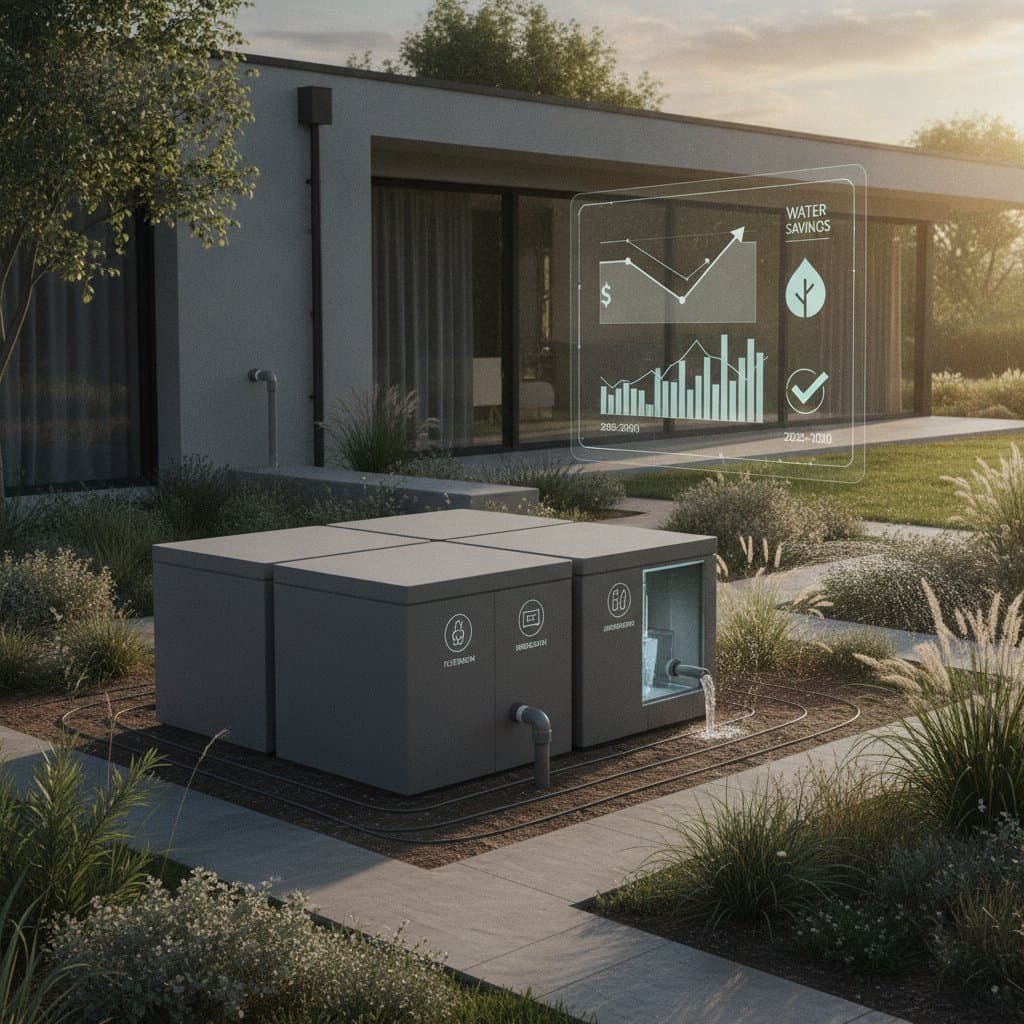
Greywater refers to wastewater from household sources such as showers, sinks, and laundry, excluding toilet waste. These systems collect and treat this water for non-potable uses like irrigation, reducing reliance on fresh water supplies. In 2026, adoption grows due to water scarcity concerns and rising utility costs.
Homeowners benefit from greywater diversion by recycling water that would otherwise enter sewers. Simple systems filter and redirect water directly to landscapes, while advanced models incorporate treatment for broader applications. Regulations vary by location, so consultation with local authorities ensures compliance.
Cost Breakdown for 2026 Installations
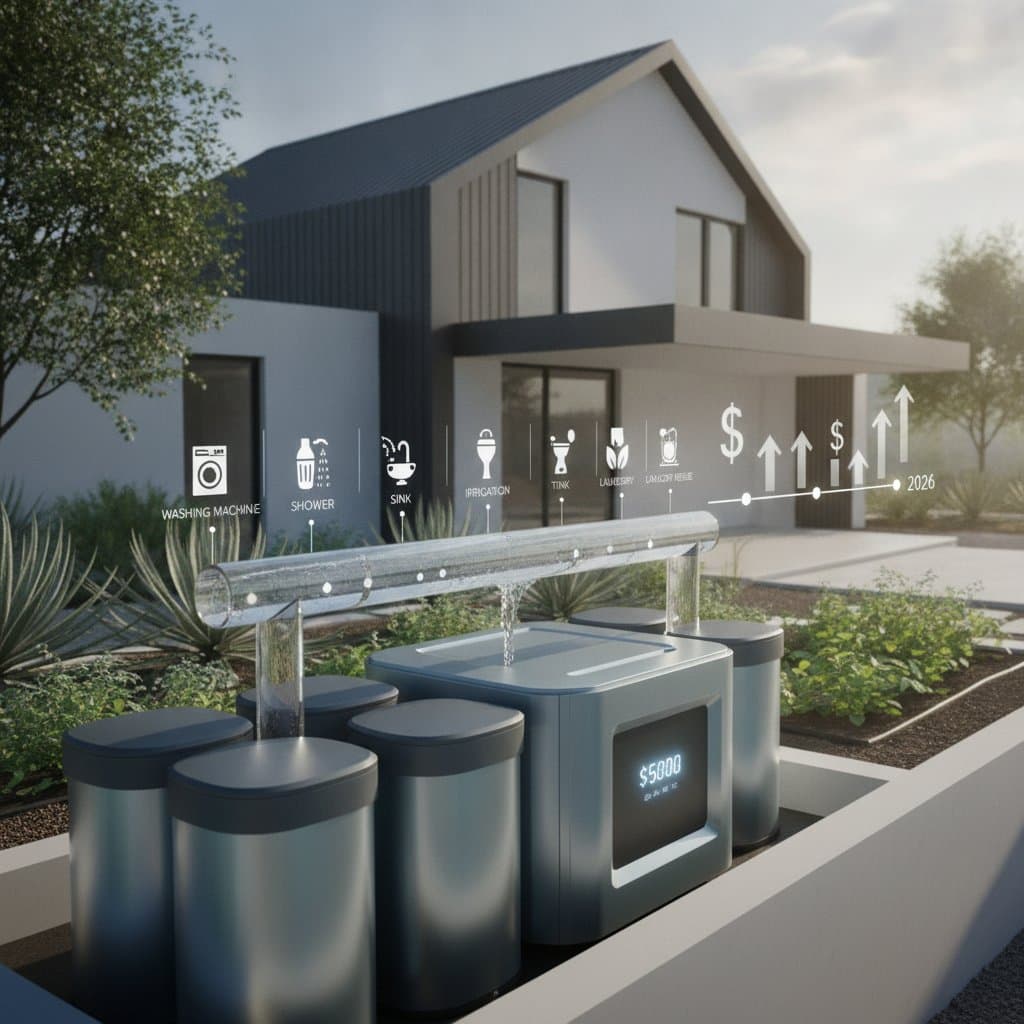
Greywater system expenses in 2026 span $1,800 to $18,000, depending on scale and features. Basic laundry-to-landscape setups, which route washing machine output to garden beds, start at $1,800. These include surge tanks, filters, and basic piping, suitable for small households.
Mid-range systems, priced between $5,000 and $10,000, handle multiple sources like bathroom sinks and showers. They feature biological treatment units to remove soaps and organics, enabling safer irrigation. Whole-home installations, capturing all eligible wastewater, reach $18,000 with advanced filtration, pumps, and automation.
Factors influencing costs include system complexity, materials, and labor. Permitting fees add $200 to $500 in most areas. Professional installation accounts for 40% to 60% of the total, though DIY options exist for simpler designs. Inflation and material shortages may adjust these figures slightly by mid-2026.
Savings and Payback Potential
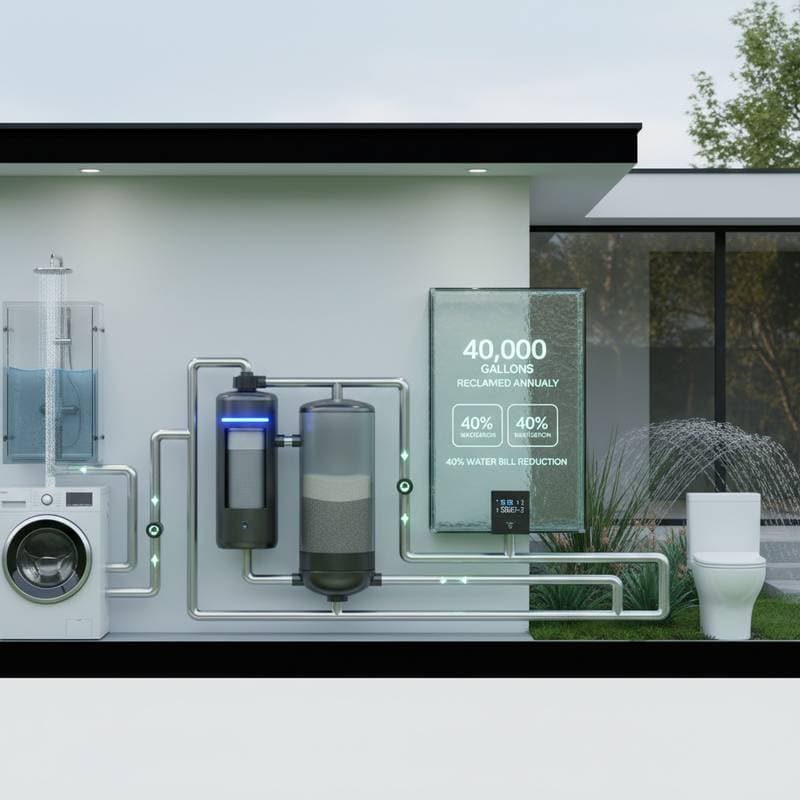
A greywater system recycles 30% to 50% of household water use, equating to 20,000 to 40,000 gallons annually for a family of four. At average U.S. rates of $0.005 per gallon, this translates to $100 to $200 yearly savings on bills. In drought-prone regions, rebates from utilities or governments offset initial costs by 20% to 50%.
Environmental gains extend beyond finances. Reduced freshwater demand eases strain on municipal systems, lowering energy use for treatment and pumping. Over time, these systems enhance property value; homes with sustainable features sell 5% to 10% higher. Payback periods range from 5 to 12 years, shorter in high-water-cost areas.
Installation Options and Considerations
Select a system based on household needs and yard layout. For urban homes with limited space, compact diverter valves integrate easily into existing plumbing. Rural properties suit gravity-fed systems that minimize energy use.
Professional assessment evaluates water quality and soil suitability. Sandy soils absorb greywater efficiently, while clay types require additional pretreatment. Integration with home automation allows monitoring of flow rates and system health via apps.
Local codes dictate treatment levels; some areas mandate disinfection for edible gardens. Budget for ongoing maintenance, estimated at $100 to $300 yearly, covering filter replacements and inspections.
Enhancing Efficiency with Complementary Practices
Maximize greywater benefits through targeted strategies. Pair the system with drip irrigation for precise delivery to plant roots, minimizing evaporation. Mulch basins around trees and shrubs capture and hold moisture, extending the water's effectiveness.
Smart controllers monitor soil moisture and weather data to optimize distribution, preventing overwatering. Combining greywater with rainwater harvesting creates a resilient hybrid supply, ideal for dry seasons.
These enhancements boost reuse efficiency by 15 to 25 percent. For instance, drip lines reduce waste by 20%, while mulch retains up to 30% more soil moisture. Regular evaluation ensures the setup performs optimally year-round.
Practical Tips for Implementation
Begin with a modest approach: install a laundry-to-landscape system to test functionality before scaling up. Label all pipes clearly to facilitate future maintenance and regulatory checks.
Select detergents formulated for greywater compatibility, free of harsh chemicals that clog filters. Periodic flushing with fresh water clears sediment buildup in lines, maintaining flow.
Maintain detailed records of installation, including receipts, diagrams, and permits. This documentation supports warranty claims and increases resale appeal by demonstrating eco-friendly upgrades.
Steps to Install Your System
Initiate the process with a water usage audit: track daily output from eligible fixtures over a week. Research local regulations through building departments to identify requirements and incentives.
Consult certified installers for site-specific quotes, comparing at least three options. Prepare the budget to cover contingencies like soil testing or unexpected plumbing adjustments.
Post-installation, monitor performance for the first month, adjusting as needed. Engage family members in usage habits, such as shorter showers, to amplify results.
Realizing Long-Term Benefits
A greywater system empowers homeowners to manage water resources proactively. Each reused gallon conserves municipal supplies and contributes to ecological balance. Beyond cost reductions, it fosters resilience against water shortages and elevates living standards through sustainable practices.
Commit to this investment for enduring advantages in efficiency and value. With thoughtful planning, the transition to greywater integration yields practical, impactful results for years ahead.