Reducing Stormwater Expenses: 2026 Permeable Paving Costs
Homeowners encounter increasing stormwater management fees as municipalities enforce stricter runoff regulations. Installing a permeable driveway represents one of the most effective strategies to lower these expenses. This paving method permits rainwater to infiltrate the ground rather than directing it to storm drains, thereby decreasing flood risks and enabling savings on local fees. Grasping the actual expenses of permeable paving, combined with its enduring advantages, assists in evaluating whether this enhancement aligns with budgetary and sustainability objectives.
What Is Permeable Paving?
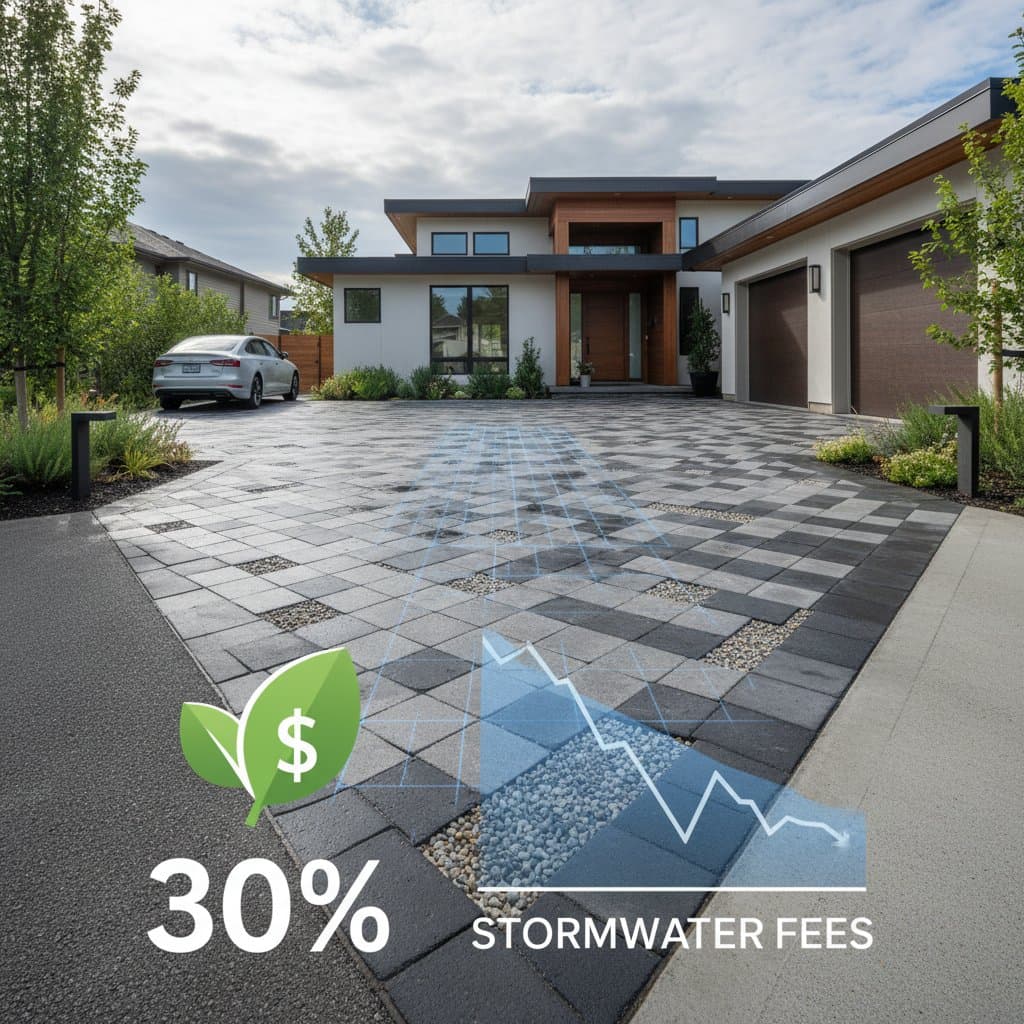
Permeable paving incorporates materials engineered to allow water passage through voids between units or via porous compositions. Popular choices encompass permeable concrete, porous asphalt, and interlocking pavers placed over gravel bases. These surfaces direct water into the soil, where natural filtration occurs before it replenishes aquifers.
Many municipalities and water authorities provide rebates or tax credits for installations that diminish runoff. In numerous areas, substituting a conventional concrete driveway with a permeable variant qualifies homeowners for stormwater fee reductions of up to 30 percent.
Cost Analysis by Material Type
Expenses for permeable paving fluctuate based on material selection, soil characteristics, and regional labor charges. Typical installed costs fall within these ranges:
- Permeable concrete: 10 to 16 dollars per square foot. This option delivers a continuous appearance akin to regular concrete, yet demands meticulous placement to sustain drainage efficacy.
- Porous asphalt: 8 to 13 dollars per square foot. This material proves economical for expansive driveways and lots, although it requires additional upkeep in cooler regions.
- Interlocking pavers: 12 to 18 dollars per square foot. These units afford versatile designs and straightforward repairs, rendering them ideal for home applications.
Subsurface drainage layers and foundational aggregates contribute 25 to 40 percent to overall expenses. For a standard two-car driveway spanning 400 to 600 square feet, complete project costs typically span 8,000 to 18,000 dollars, influenced by material and preparatory needs.
Key Influences on Installation Expenses
Multiple elements determine the ultimate price tag. Soil composition exerts significant impact, as clay-rich grounds necessitate thicker gravel foundations for adequate percolation. Site accessibility affects labor efficiency, with confined areas extending project duration.
Prevalent drainage challenges on the property might require extra excavation or auxiliary sub-drain installations, elevating expenditures. Local ordinances frequently mandate specific infiltration capacities or distances from building foundations. Consulting the municipal planning department prior to commencing work prevents expensive modifications. Professionals certified by organizations like the Interlocking Concrete Pavement Institute ensure adherence to these requirements.
Upkeep and Durability Considerations
Permeable surfaces demand routine maintenance to retain functionality. Essential activities include vacuuming or pressure washing the area one to two times annually to clear debris from pores. Proper attention yields a lifespan comparable to non-permeable options, frequently exceeding 20 years.
Repairs prove less disruptive than those for solid pavements, as discrete pavers lift individually without affecting surrounding areas. Consistent care not only prolongs service life but also upholds the infiltration qualities essential for fee reductions.
Dual Advantages: Environmental and Economic
Permeable paving yields benefits in both ecological and fiscal domains. On the environmental front, it curtails pollutant-laden runoff, replenishes groundwater supplies, and mitigates flood occurrences. Economically, it diminishes municipal charges and may decrease insurance rates in vulnerable zones.
Homeowners transitioning from traditional driveways to permeable systems often achieve annual savings of 200 to 600 dollars via fee cuts and incentives, according to shared experiences in home improvement discussions. Such reductions frequently recoup the initial outlay within a few years.
Engaging Professional Services
While DIY approaches suit minor patios or paths, comprehensive driveway projects necessitate expert involvement for precise grading, compaction, and hydrology planning. Faulty execution risks water accumulation or early deterioration. Selecting a seasoned contractor guarantees appropriate base thickness, joint intervals, and gradients for optimal water flow.
Solicit references, project images, and detailed proposals from candidates. Insist on documented maintenance protocols and warranty specifications prior to agreement. Established firms manage permitting processes and rebate applications efficiently.
Safeguarding Long-Term Performance
Preserve the driveway's value through scheduled cleanings and post-rainfall joint evaluations. Refrain from applying sealants, which obstruct infiltration pathways.
Beyond visual appeal, permeable paving addresses stormwater economics, elevates property worth, and advances eco-conscious practices. Consider this upgrade to achieve measurable reductions in fees while fostering resilience against urban water challenges.