
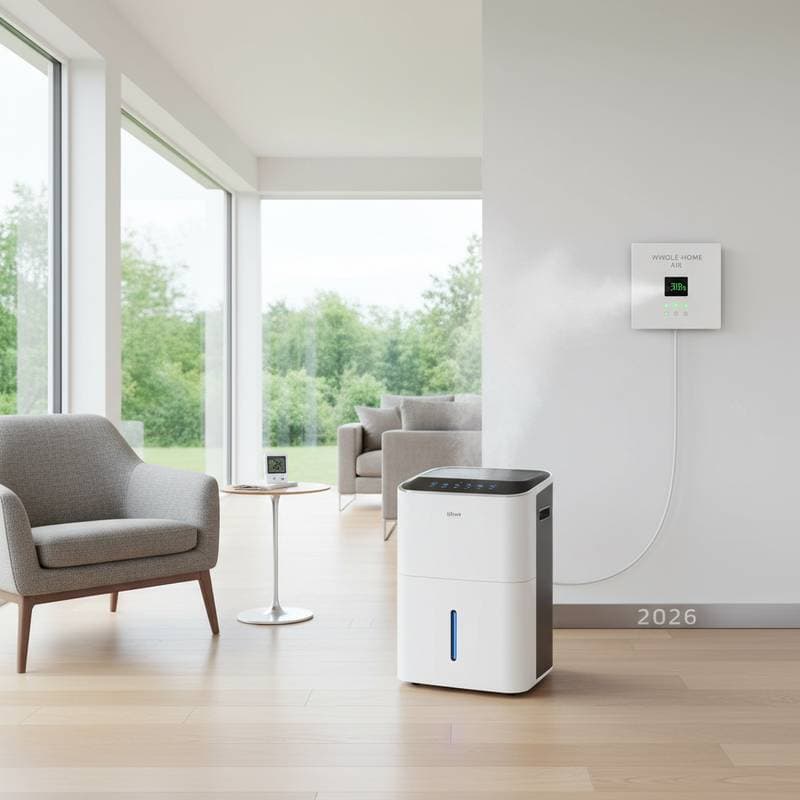
Dehumidifier Costs: DIY vs Whole-Home in 2026
Indoor humidity levels affect comfort, health, and home integrity. Excess moisture promotes mold growth, damages structures, and reduces air quality. Dehumidifiers remove moisture from the air, offering a solution tailored to different needs and budgets. This guide compares portable DIY units with whole-home systems, projecting costs for 2026 based on current trends in technology and pricing.
Understanding Dehumidifier Types
Portable dehumidifiers suit small spaces or temporary use. These units operate independently, often with built-in tanks or hose connections for drainage. They range in capacity from 20 to 70 pints per day, ideal for basements, bathrooms, or bedrooms.
Whole-home dehumidifiers integrate with HVAC systems. They handle larger areas, maintaining consistent humidity throughout the house. These systems connect to central air ducts, providing seamless operation without visible units in living spaces.
Choosing between types depends on home size, humidity issues, and installation preferences. Portable options offer flexibility, while whole-home setups deliver comprehensive coverage.
Cost Breakdown for 2026
Projected prices reflect advancements in energy-efficient compressors and smart controls. Expect a 5 to 10 percent increase from 2024 levels due to material costs and inflation.
Portable DIY Dehumidifiers
Entry-level models start at $150 for basic 20-pint units. These cover up to 1,500 square feet and include simple controls. Mid-range options, priced at $250 to $400, feature larger capacities and auto-defrost functions for cooler environments.
Premium portable units reach $500, with Wi-Fi connectivity and air purification. Annual energy costs average $50 to $100, depending on usage and electricity rates. Factor in $20 to $50 yearly for replacement filters.
Whole-Home Dehumidifiers
Standalone whole-home units begin at $1,500, suitable for integration without full HVAC overhaul. Prices climb to $2,500 for models with advanced sensors that adjust based on humidity readings.
Ducted systems, installed within existing HVAC, range from $2,000 to $4,500. High-end versions include variable-speed fans for quiet operation. Installation adds $500 to $1,500, covering labor and modifications.
Energy consumption for whole-home systems totals $150 to $300 annually. Maintenance involves $100 to $200 per year for professional checks and parts.
Installation Considerations
DIY Portable Setup
Portable units require minimal effort. Place the device on a level surface near a power outlet. Connect a drain hose if available, directing water to a floor drain or outside.
Secure the unit away from walls for airflow. Test operation by monitoring humidity levels with a built-in hygrometer. Initial setup takes 15 to 30 minutes.
Professional Whole-Home Installation
Whole-home systems demand expertise. HVAC technicians assess ductwork and electrical capacity. They integrate the unit, ensuring proper airflow and refrigerant lines.
Permits may apply for duct modifications. The process spans one to three days, minimizing disruption. Post-installation, calibrate sensors for optimal performance.
Factors Influencing Long-Term Value
Efficiency ratings, measured in liters per kilowatt-hour, determine energy savings. Look for Energy Star-certified models to reduce bills by up to 30 percent.
Capacity matching prevents overworking the unit. Undersized dehumidifiers run constantly, increasing wear. Oversized ones cycle inefficiently.
Warranty coverage varies: portable units offer one to five years, while whole-home systems provide 10-year compressor guarantees. Consider noise levels, as quieter models enhance livability.
Savings Tips and Efficiency Strategies
- Monitor humidity with a separate gauge to run units only when needed, typically between 40 and 60 percent.
- Seal home leaks around windows and doors to lessen dehumidifier workload.
- Schedule annual cleanings to maintain airflow and prevent efficiency drops.
- Pair with ventilation fans in high-moisture areas like kitchens.
- Upgrade to smart models that integrate with home automation for automated adjustments.
These steps lower operational costs and extend equipment life. Homeowners report 20 to 40 percent reductions in energy use through proactive management.
Plan Your Budget
Assess total ownership costs beyond purchase price. Include installation fees, which can double expenses for whole-home options. Budget for accessories like hoses, stands, or duct adapters.
Maintenance reserves prevent surprises. Portable units need filter swaps every three months; whole-home systems require seasonal inspections.
Prepare the space by clearing access to drains and electrical outlets. Measure areas to select appropriate capacity. Consult local humidity data for realistic expectations.
Maintaining Your Investment
Regular upkeep ensures longevity and performance. Empty portable tanks daily or use continuous drainage to avoid overflows. Clean coils quarterly with mild soap to remove buildup.
For whole-home units, replace air filters every six months. Hire certified technicians for refrigerant checks and electrical inspections annually.
A maintained dehumidifier safeguards against allergens and structural issues. It enhances comfort by stabilizing temperatures and reducing musty odors. Invest time in care to maximize returns on your choice.
Achieving Optimal Indoor Air Quality
Selecting the right dehumidifier balances upfront costs with enduring benefits. DIY portables provide quick relief for targeted areas, while whole-home systems offer uniform protection. Evaluate your home's needs to decide.
Improved air quality leads to better sleep, fewer respiratory issues, and preserved property value. With informed planning, control humidity effectively in 2026 and beyond.




