Greywater Systems in 2026: Costs, Permits, and Implementation Guide
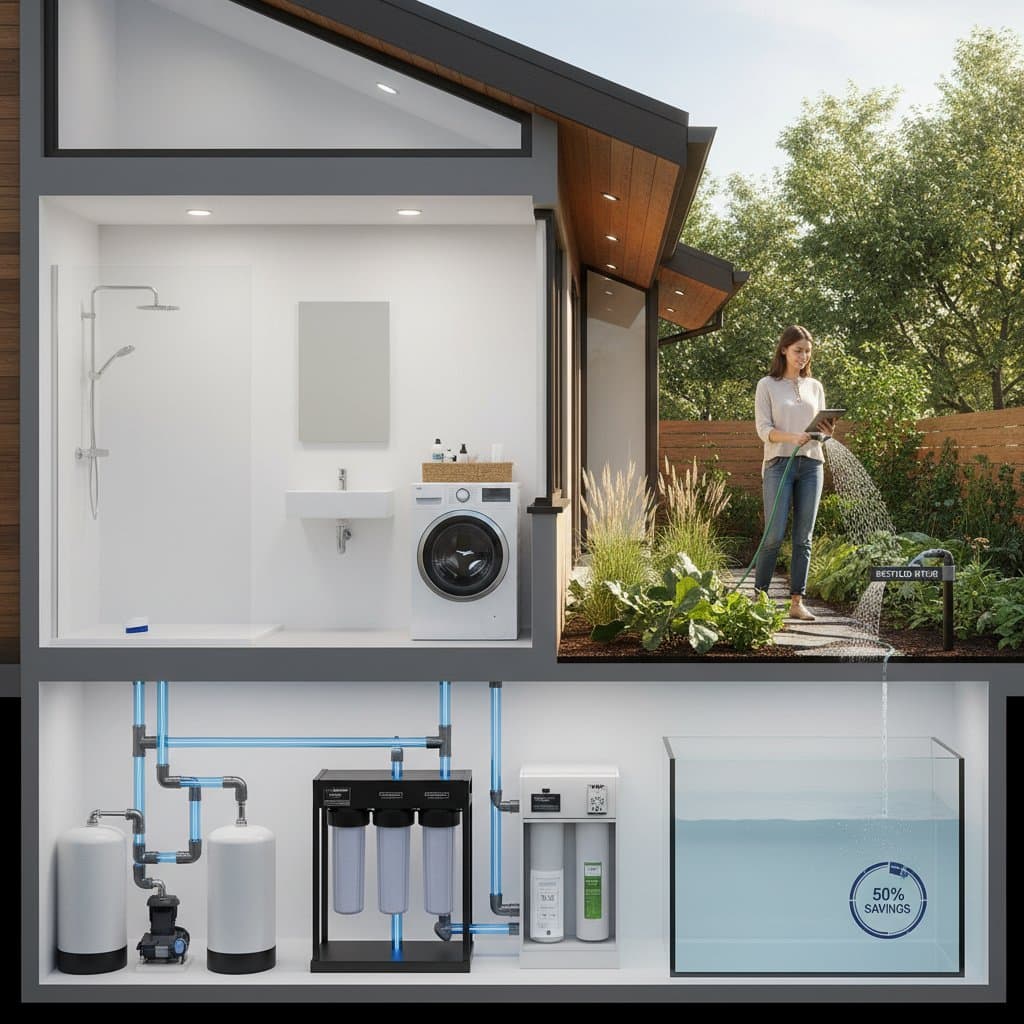
Greywater systems capture and repurpose household wastewater, offering homeowners a practical way to reduce water consumption and utility expenses. These systems redirect water from sources like showers, sinks, and laundry machines toward non-drinking uses such as garden irrigation or toilet flushing. By integrating such a setup, families can decrease their reliance on municipal water supplies, potentially lowering bills by up to 50 percent while promoting environmental stewardship. This guide details the essential elements of greywater adoption, from initial planning to long-term management, empowering readers to make informed decisions for their properties.
Understanding Greywater Functionality
Greywater refers to wastewater generated from everyday activities excluding toilet flush or kitchen sink drainage, which classifies as blackwater due to higher contamination levels. Systems collect this milder wastewater, apply basic filtration to remove debris, and distribute it for secondary purposes. Simple designs rely on gravity to channel water directly to outdoor landscapes, while sophisticated versions incorporate pumps, tanks, and treatment processes for broader applications.
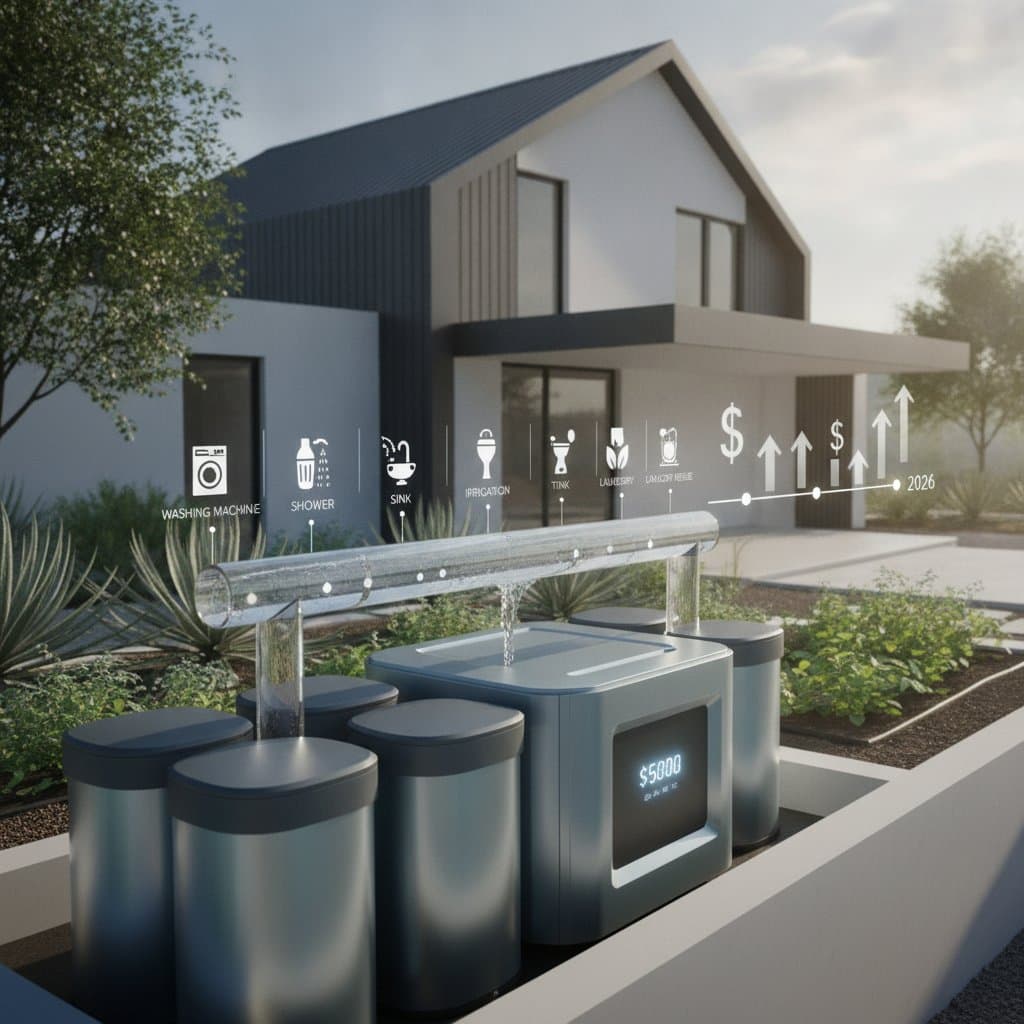
Homeowners often begin with a laundry-to-landscape configuration, which diverts washing machine outflow through a three-way valve to irrigate nearby plants. This approach minimizes initial investment and avoids complex infrastructure. For larger households, multi-source systems gather water from multiple fixtures, requiring careful design to balance flow rates and prevent overload on downstream components.
Property specifics play a crucial role in system selection. Sloped yards favor gravity-fed options, whereas flat terrains may necessitate pumps for effective distribution. Consulting a professional early ensures the chosen design aligns with daily water usage patterns and site constraints.
Breaking Down Installation Expenses
The financial commitment for a greywater system hinges on its scale, materials, and integration challenges. Basic laundry diversion projects typically range from $500 to $2,000, covering valves, piping, and mulch basins to facilitate soil absorption. These setups suit smaller properties and demand minimal disruption during installation.
More comprehensive systems, which include shower and sink collection, escalate to $3,000 through $8,000 due to added filtration units and extended plumbing runs. Advanced configurations with storage reservoirs and automation features can exceed $10,000, particularly in retrofits where walls or floors require modification. New builds present opportunities for cost efficiencies, as builders incorporate greywater lines alongside standard plumbing at reduced labor rates.
Labor constitutes 40 to 60 percent of total costs, influenced by site accessibility and regulatory compliance. Properties with accessible basements or crawl spaces incur lower fees than those on concrete slabs, which may need core drilling or exterior rerouting. Homeowners can offset expenses by bundling greywater work with broader renovations, such as septic upgrades or drought-resistant landscaping, to share contractor time and resources.
Filtration choices further impact budgets. Coarse screens and settling chambers suffice for irrigation-only systems, adding under $500. However, units with sand filters, chlorinators, or ultraviolet lights for potential indoor reuse introduce $1,000 or more, alongside heightened ongoing expenses for replacements and energy.
Navigating Permits and Regulatory Compliance
Local authorities oversee greywater installations to safeguard public health and prevent environmental contamination. Building departments typically mandate permits for any system handling bathroom or laundry water, ensuring designs incorporate safeguards like backflow preventers and diversion valves. Laundry-only setups in permissive jurisdictions may qualify for exemptions if they adhere to predefined guidelines, such as direct subsurface discharge.
The permitting process examines plumbing integrity, treatment efficacy, and discharge locations. Irrigation systems restricted to on-site use often face fewer hurdles than those involving storage or indoor applications, which demand rigorous testing for pathogens. Applicants submit detailed blueprints, material specifications, and hydraulic calculations to demonstrate code adherence.
National standards, adapted by states and municipalities, outline requirements for pipe diameters, labeling protocols, and access panels for inspections. Certain regions enforce setbacks from wells or property boundaries to avoid groundwater risks. Engaging a licensed plumber streamlines paperwork and coordinates with inspectors, reducing approval timelines from weeks to days.
Post-installation, a final verification confirms operational safety, including leak tests and flow demonstrations. Retaining records of approvals and certifications proves invaluable during home sales, as prospective buyers value documented sustainable features. Staying informed on evolving regulations, especially in water-scarce areas, helps maintain system legality over time.
Establishing a Maintenance Routine
Effective greywater operation relies on consistent upkeep to preserve functionality and extend system lifespan. Begin by scheduling filter cleanings every three to six months, depending on household usage; lint traps in laundry lines prevent early blockages in distribution networks. Irrigation components, such as drip lines or basins, require annual flushing with fresh water to clear sediment buildup.
Avoid introducing antimicrobial soaps or bleach-based cleaners, which disrupt beneficial soil microbes essential for natural purification. Opt for biodegradable detergents labeled safe for greywater reuse to protect downstream ecosystems. In tank-equipped systems, monitor levels weekly and inspect for algae growth, addressing issues promptly to avert overflows.
Incorporate technology where feasible: sensor-equipped models notify via apps about clogs or low flows, simplifying oversight. Maintain a dedicated log noting service dates, observations, and any adjustments, which aids in troubleshooting and satisfies periodic regulatory checks. With diligent care, systems operate reliably for 15 to 20 years, yielding sustained savings.
Realizing Environmental and Economic Gains
Greywater adoption conserves freshwater resources, easing pressure on overtaxed utilities and aquifers. A four-person household might redirect 20,000 gallons yearly for irrigation, translating to bill reductions of $200 to $500 annually in high-cost regions. This practice also enhances landscape vitality by delivering nutrient-rich water during peak summer demands, fostering resilient gardens without supplemental watering.
Pairing greywater with complementary strategies amplifies impact. Integrate permeable paving to manage runoff or install low-flow fixtures to minimize overall wastewater volume. Such holistic approaches can slash total water footprints by 40 percent, aligning with broader sustainability goals like carbon footprint reduction through decreased pumping energy.
Financially, payback periods vary from three to seven years, influenced by local rates and system efficiency. Incentives such as rebates from water districts or tax credits for green upgrades accelerate returns. Beyond economics, the intangible benefits include heightened property resilience against droughts and a sense of contribution to community water security.
Steps to Launch Your Greywater Project
Embark on greywater integration by evaluating your home's water profile: track monthly usage via utility statements and identify high-volume sources like laundry cycles. Sketch a site plan marking fixtures, yard zones, and obstacles to guide professional assessments.
Solicit bids from three to five certified installers, prioritizing those experienced in local codes and sustainable plumbing. Review portfolios for similar projects and inquire about warranties covering defects or performance shortfalls. Budget 10 to 20 percent extra for unforeseen adjustments, ensuring a buffer for quality execution.
Finalize by aligning the system with your lifestyle—simple for low-maintenance preferences or advanced for maximal reuse. This investment not only trims costs but cultivates a water-wise home, securing enduring benefits for your household and the planet.