Greywater Installation: Essential Costs and Permit Requirements
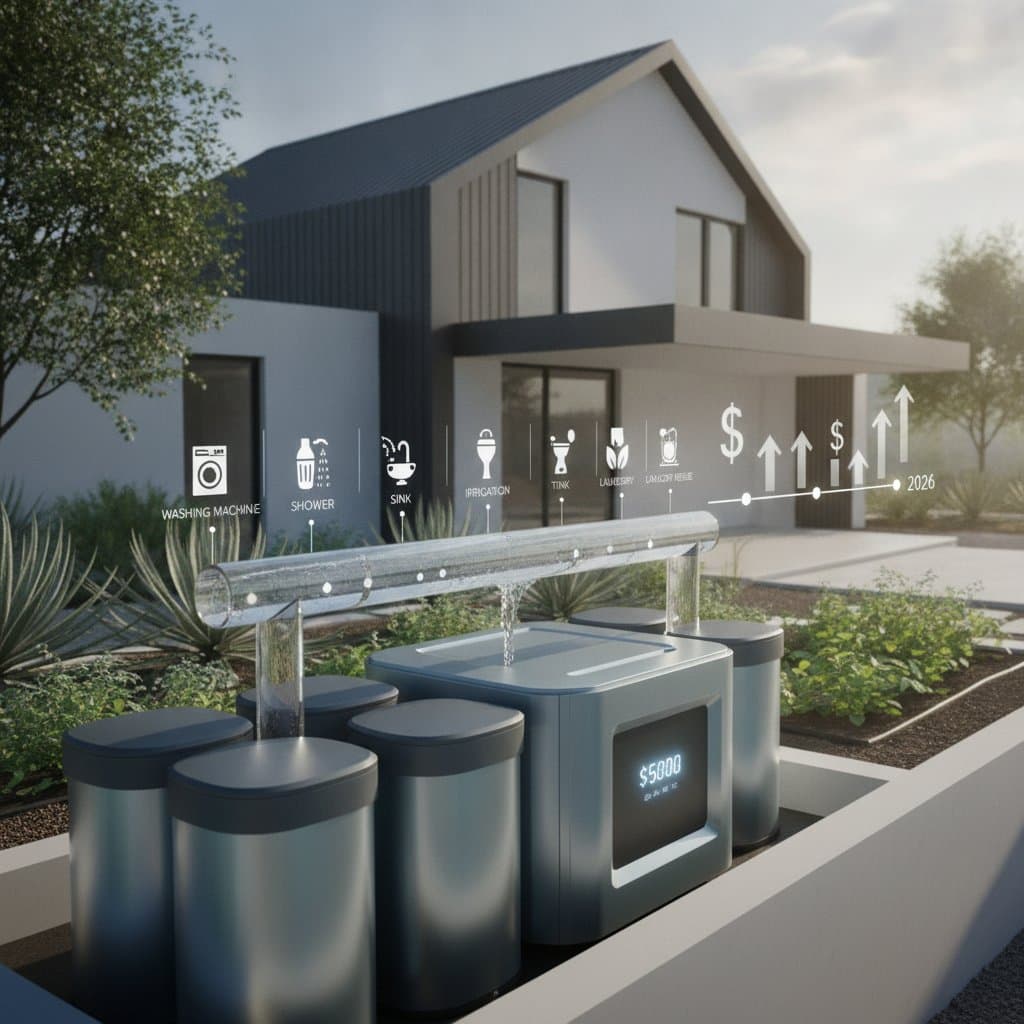
Households often discard thousands of gallons of water monthly through everyday activities like showering, laundering, and sink use. Greywater systems redirect this lightly contaminated water for irrigation or toilet flushing, thereby conserving resources and reducing utility expenses. Proper installation enhances sustainability while minimizing environmental impact. Homeowners benefit from understanding costs, permits, and installation processes before proceeding.
Benefits of Greywater Systems
A standard household consumes substantial freshwater for non-potable needs. Greywater recycling offsets up to 40 percent of this usage, easing demands on public supplies and lowering bills. Such systems foster property resilience against water shortages. Residents in arid areas or those committed to eco-friendly practices find these installations particularly valuable.
Budget Overview and Expectations
Residential greywater systems range from $2,000 to $8,000, influenced by scale, water sources, and professional involvement. Basic laundry diversion setups cost $500 to $1,500 for self-installation. Comprehensive systems handling shower and sink water for multiple uses may exceed $10,000, including plumbing alterations and approvals.
Permits apply to plumbing diversions or irrigation connections, with fees of $100 to $800 varying by location and scope. Certain regions streamline approvals for laundry systems, while others mandate thorough plumbing reviews and backflow safeguards.
Greywater Sources Explained
Greywater originates from showers, bathtubs, bathroom sinks, and washing machines, excluding toilet or kitchen wastewater due to health risks. Source identification guides system selection and expenses.
| Source | Typical Flow Rate | Treatment Level Needed | Best Use |
|---|---|---|---|
| Washing Machine | 15 to 40 gallons per load | Minimal filtration | Direct irrigation |
| Shower/Bath | 20 to 50 gallons per use | Basic filtration | Subsurface irrigation |
| Bathroom Sink | 1 to 2 gallons per minute | Fine filtration | Toilet reuse or drip irrigation |
Laundry-only reuse allows straightforward, low-cost designs. Multiple-source collection demands advanced filtration, pumps, and controls.
System Types and Associated Costs
Laundry-to-Landscape Systems
These address reuse without major pipe alterations by linking the washing machine drain to garden lines.
Costs span $500 to $1,500 for materials and potential professional help. Many jurisdictions exempt them from permits, routing water via subsurface drips.
DIY suits most with tools like PVC cutters and clamps. Avoid surface application on food plants; maintain subsurface delivery to avert contamination.
Branched Drain Systems
Ideal for shower and tub water diversion to landscapes, these split gravity flow across zones.
Expenses fall between $1,500 and $4,000. Pipes measure 1.5 inches in diameter with a 2 percent slope for optimal flow.
Moderate DIY involves drain cuts and slope precision. Professionals ensure code adherence through testing.
Centralized Greywater Systems
These collect from various points into tanks for irrigation and flushing, incorporating treatment.
Prices reach $5,000 to $10,000 or higher. Tanks hold 50 to 250 gallons, with 100-micron filtration and UV or chlorine options.
Low DIY feasibility ties into main plumbing, necessitating inspections. Specialists design and install for safety.
Navigating Permits and Codes
Local codes, often based on the International Plumbing Code or Uniform Plumbing Code, govern installations.
Standard Requirements
- Plumbing permit for drain modifications.
- Irrigation permit for permanent connections.
- Electrical permit for pumps or wiring.
- Backflow inspection to prevent potable contamination.
Inspections occur pre-burial and post-testing, verifying slope, labeling, setbacks, and devices. Codes stipulate 5-foot property line distances and 18-inch subsurface depths.
Critical Design Elements for Reliability
Slope and Flow Management
Gravity systems demand a 2 percent grade—2 inches drop per 100 inches—for consistent movement. Insufficient slope causes clogs; excess leads to imbalance.
Filtration Protocols
Mesh screens capture debris in all setups. Service filters biweekly to prevent blockages. Cartridge types in advanced systems require semiannual replacement.
Storage Guidelines
Codes cap storage at 24 hours to curb bacteria. Extended holding necessitates UV or chlorination.
Soil Evaluation
Permeable loams or sands suit greywater best. Clay risks pooling; test percolation rates exceeding 1 inch per hour, or incorporate mulch.
Accessibility and Safety Features
Adapt systems for mobility needs with ground-level valves and filters under 36 inches high. Above-ground controls aid maintenance.
Prioritize safety by isolating from drinking water and labeling pipes as non-potable. Subsurface designs protect against contact in family yards.