2026 Greywater Costs: Permits and Savings Revealed
Recycling household water has moved from niche environmental practice to a practical solution for reducing utility bills and conserving resources. Greywater systems allow homeowners to reuse water from showers, bathtubs, and laundry for irrigation or toilet flushing. As more regions tighten water restrictions and increase rates, these systems are gaining attention for both environmental and financial reasons. Understanding the costs, permits, and long-term savings is essential before installation begins.
What Greywater Systems Do
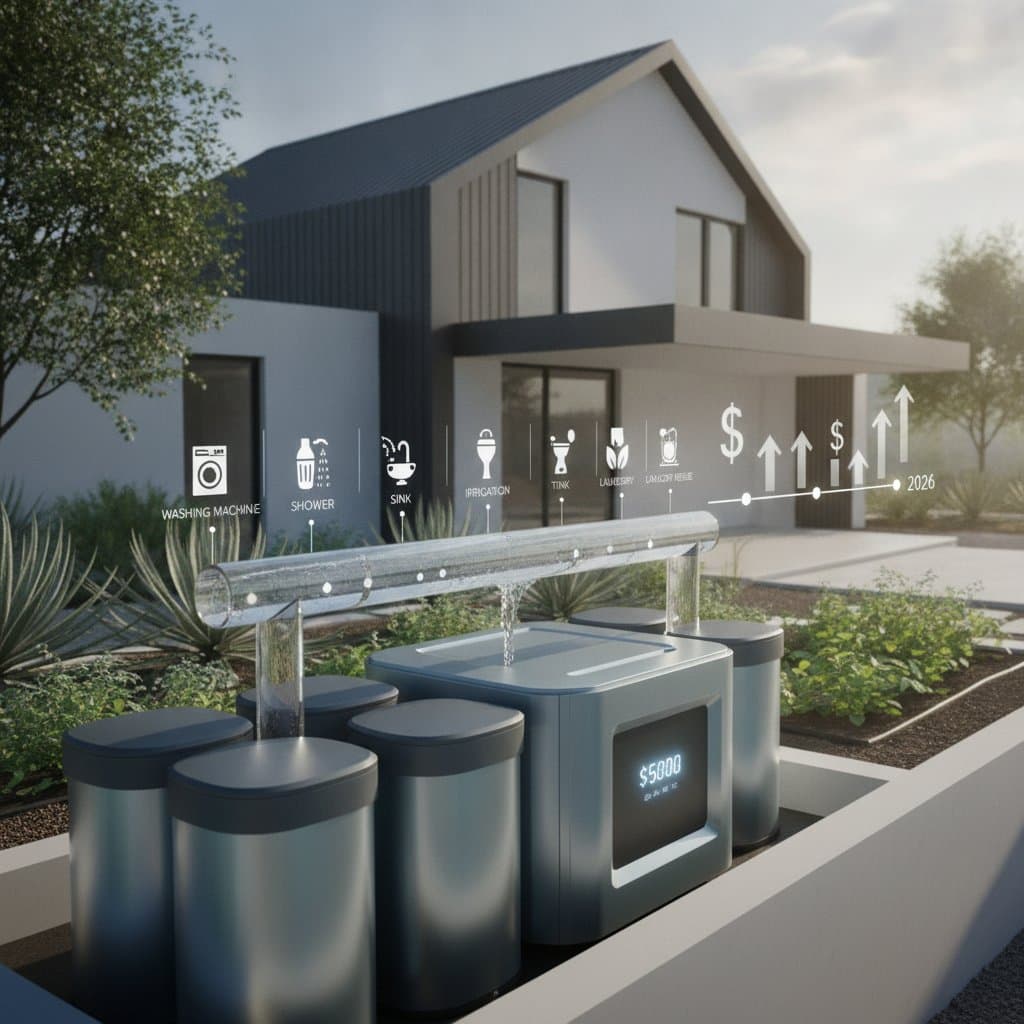
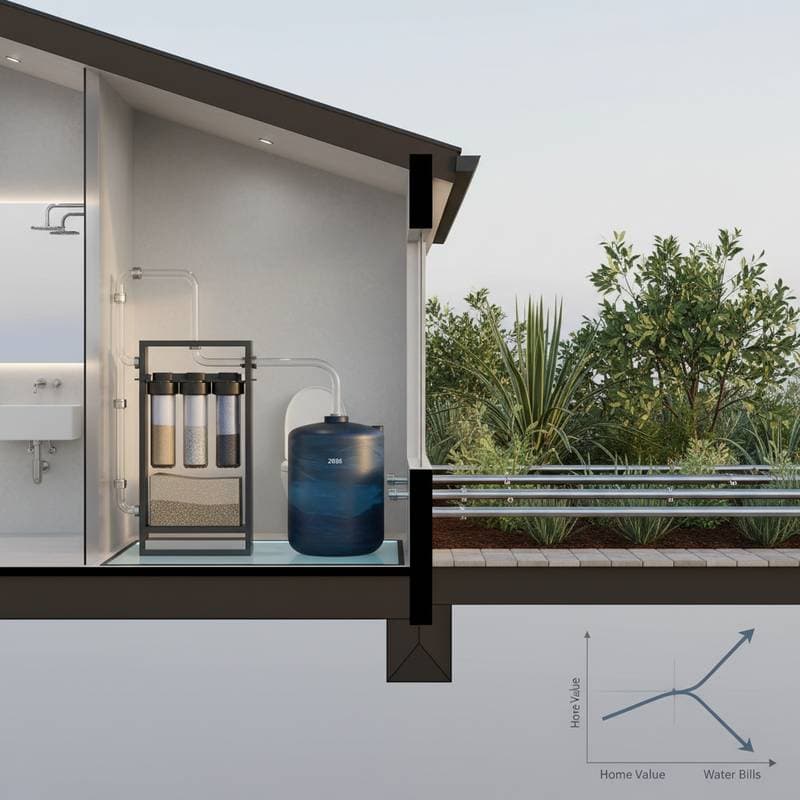
A greywater system collects lightly used water from household sources other than toilets or kitchen sinks. The system filters and redirects that water for secondary use. Basic setups rely on gravity-fed lines that send laundry water directly to outdoor landscaping. More complex units use pumps, filters, and storage tanks to distribute water where it is needed most.
The main advantage is reduced freshwater demand. Every gallon reused is a gallon not drawn from municipal supply. Many homeowners also report softer landscaping soil and improved plant growth due to the presence of trace nutrients in greywater.
Key Cost Factors
Prices vary widely depending on system type, home layout, and local plumbing codes. Small-scale laundry-to-landscape systems can start around five hundred dollars for parts, while complete whole-house filtration and irrigation setups can reach ten thousand dollars or more.
1. System complexity
A simple gravity-fed unit that sends laundry discharge to the yard is the least expensive option. It typically includes a three-way valve, a filter, and flexible tubing. A professionally installed version may cost between one thousand five hundred and two thousand dollars.
A mid-range system with a dedicated holding tank, filtration, and pump will generally range from three thousand to six thousand dollars. These systems allow water from multiple sources and can irrigate larger areas.
Advanced units that integrate with automated irrigation systems or reuse water indoors for toilet flushing fall in the top price tier. Expect eight thousand to twelve thousand dollars or more for these setups.
2. Plumbing and retrofitting
Existing homes often require pipe rerouting, wall openings, and connection to new distribution lines. Retrofitting can add one to three thousand dollars to the total cost, depending on accessibility. New construction is more efficient because builders can plan greywater piping from the start.
3. Filtration and storage
Filtration keeps debris from clogging irrigation lines and prolongs pump life. Simple mesh filters cost less than a hundred dollars, while multi-stage cartridge filters can cost several hundred. Storage tanks range from two hundred dollars for small polyethylene models to several thousand for underground concrete units.
4. Labor and permits
Licensed plumbers and electricians handle most installations. Labor can account for thirty to fifty percent of total costs. Permitting fees generally add another two hundred to one thousand dollars depending on your location and the system size.
Understanding Permit Requirements
Local governments regulate greywater systems to protect groundwater and public health. Some jurisdictions allow basic laundry systems without a permit if the discharge remains on the property surface. Others require full plumbing permits and inspection.
A permit application often includes a system diagram, a materials list, and a maintenance plan. Inspectors verify that greywater lines are separate from potable water and that overflow drains correctly. In some areas, systems using pumps or storage tanks must meet additional electrical and sanitation standards.
Homeowners should contact their building department early in the planning phase. A short consultation can clarify whether a permit is required and what documents are necessary. Failing to obtain the proper permit can lead to fines or even removal orders.
Maintenance Costs and Lifespan
Once installed, a greywater system needs consistent upkeep to remain safe and effective. Filters must be cleaned or replaced several times a year to prevent clogging. Pumps should be inspected annually. Holding tanks require flushing to prevent odor buildup.
Routine maintenance costs are modest compared with water savings. Expect to spend between fifty and two hundred dollars per year on filters and minor parts. Professional maintenance visits range from one hundred to three hundred dollars each.
Most systems last ten to fifteen years when maintained properly. Pumps typically need replacement every seven to ten years, costing around three hundred to five hundred dollars.
Estimating Water Savings
Water savings depend on household size, usage habits, and system design. A family of four may generate nearly two hundred gallons of recoverable greywater per day from showers and laundry. Redirecting even half of that water to irrigation can reduce outdoor water use by thirty to fifty percent.
If a household spends one hundred dollars monthly on water, savings could reach three hundred to six hundred dollars per year. Over ten years, that equals several thousand dollars in reduced utility costs. In regions with tiered water pricing, where higher use triggers higher rates, the savings can be even greater.
Return on Investment
Return on investment varies with system cost and local water rates. A simple laundry system might pay for itself within two to four years. A larger whole-house setup could take seven to ten years. When you factor in potential rebates or tax incentives, the payback period shortens.
Several states and municipalities offer rebates ranging from two hundred to two thousand dollars for approved installations. Some utilities also provide free site consultations or discounts on materials. Homeowners should check local water authority websites for current programs before starting a project.
Beyond cost savings, a greywater system can increase property value. Buyers interested in sustainability often view it as a premium feature. Real estate agents on platforms like Zillow have noted that eco-efficient homes tend to sell faster in competitive markets.
Selecting the Right System
Choosing the right system depends on your water sources, landscape needs, and budget.
For small yards or minimal budgets:
A laundry-to-landscape system that directs wash water to fruit trees or garden beds works well. It uses no storage tank and relies on gravity, keeping operation simple.
For medium households with mixed water sources:
A pumped system with basic filtration provides better control. It can distribute water evenly to multiple zones and handle both shower and laundry discharge.
For large homes or integrated reuse:
A full treatment system with a storage tank and pump allows water reuse indoors for toilet flushing. This option requires more maintenance but offers the highest savings potential.
Safety Considerations
Greywater should never contact edible parts of plants or be used for drinking. Avoid watering lawns or gardens where children or pets play frequently. Use biodegradable soaps and detergents without salt, bleach, or boron since these chemicals can harm plants or soil.
Always install a diverter valve that allows quick switching between greywater reuse and the sewer line. This feature is essential during heavy rain or system maintenance. Backflow prevention devices are mandatory in many areas to protect the potable water supply.
Common Installation Challenges
Homeowners often face three main challenges during installation.
1. Plumbing access
Older homes may have inaccessible drain lines or limited crawl space. Cutting and rerouting pipes adds labor time.
2. Soil absorption
Heavy clay soil can cause pooling, while sandy soil drains too fast. A professional assessment helps design appropriate irrigation zones.
3. Maintenance discipline
Neglecting filters or pumps leads to odors and clogs. Setting reminders or scheduling professional service ensures consistent performance.
Pro Tips for Success
- Begin with a water audit to measure daily consumption and identify the largest reuse opportunities.
- Choose a system certified by recognized testing bodies such as NSF International. Certification ensures safety and compliance with health standards.
- Keep a maintenance log recording filter changes, inspections, and repairs. This record can help during resale or warranty claims.
- Combine greywater reuse with rainwater harvesting for maximum efficiency. These systems can complement each other and reduce freshwater demand even further.
Maintaining Your Investment
A greywater system rewards consistent care. Periodic inspections keep performance high and prevent costly repairs. Upgrading filters or replacing worn valves helps extend system life.
As water scarcity becomes a growing concern, early adopters of greywater technology are positioned for long-term savings and sustainability. Even modest systems can yield measurable results within a few years.
Greywater reuse is not just about conservation, it represents a smart investment in the resilience of the home. Each gallon saved supports a more sustainable lifestyle and protects one of our most vital resources for the future.