Cut Water Bills with 2026 Greywater Systems: Costs and ROI
Rising water bills strain household budgets as showers, laundry cycles, and sink rinses send usable water to waste. Greywater systems capture this lightly soiled water and redirect it for irrigation or toilet flushing. Homeowners seeking financial savings and environmental benefits find these systems among the most effective plumbing investments.
How Greywater Systems Function
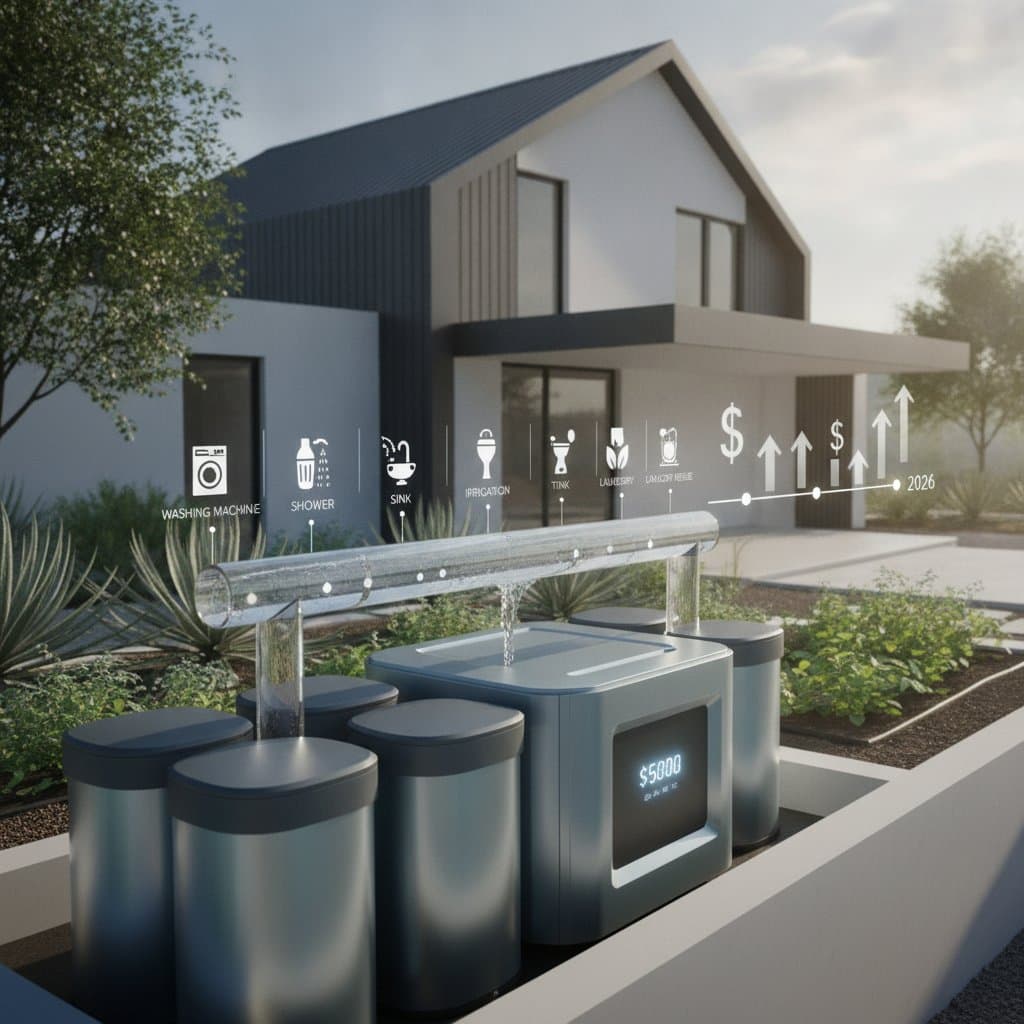
Greywater consists of water from bathroom sinks, showers, bathtubs, and washing machines. This category excludes toilet waste and kitchen sink runoff due to higher contamination levels that demand specialized treatment. The system gathers this water, applies basic filtration, and channels it toward non-drinking applications such as:
- Lawn and garden watering
- Toilet flushing
- Outdoor surface rinsing or vehicle cleaning
This process lowers reliance on municipal water supplies and decreases sewer fees by reducing discharge volumes.
Overview of Costs and Return on Investment
Basic greywater installations for average homes range from $2,000 to $4,000, including professional setup. Advanced models with pumps and full-home distribution climb to $6,000 to $10,000. Savings vary by family size and local rates, yet many users achieve 20 to 40 percent reductions in water bills during the initial year. Payback periods generally span 4 to 7 years.
Types of Greywater Systems
Laundry-to-Landscape Systems
These entry-level options divert washing machine outflow directly to yard irrigation via gravity and simple filters.
- Cost: $300 to $600 for self-installation; $800 to $1,200 with professional help
- Suitable for: Compact yards or single-level residences
- Upkeep: Filter cleaning every 3 to 6 months
- Payback: 2 to 3 years
Branched Drain Systems
Such setups gather greywater from showers and sinks, then pipe it subsurface to landscape areas.
- Cost: $2,000 to $4,500 installed
- Suitable for: Homes with moderate gardening demands
- Upkeep: Periodic pipe flushing and filter maintenance
- Payback: 5 to 6 years
Pumped and Treated Systems
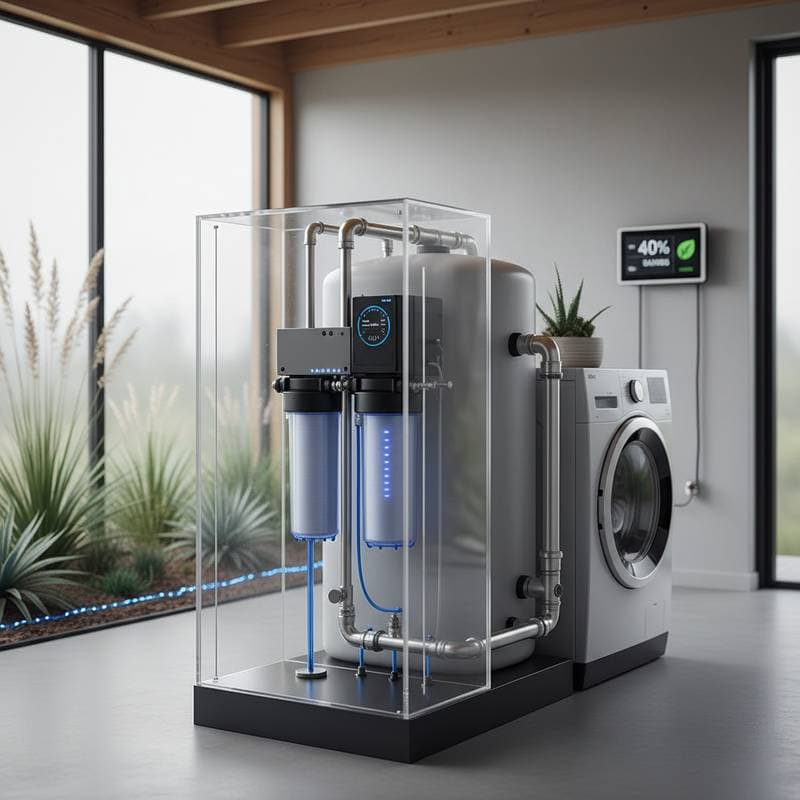
Whole-home solutions feature storage tanks, pumps, and advanced filters to enable indoor reuse like toilet flushing.
- Cost: $6,000 to $10,000 installed
- Suitable for: Expansive properties or new builds
- Upkeep: Filter replacements every 6 months; yearly professional checks
- Payback: 6 to 7 years, influenced by utility costs
| System Type | Typical Installed Cost | Ideal Application | Maintenance Schedule | Payback Period |
|---|---|---|---|---|
| Laundry-to-Landscape | $800 to $1,200 | Small yards | Every 3 to 6 months | 2 to 3 years |
| Branched Drain | $2,000 to $4,500 | Moderate irrigation | Every 6 months | 5 to 6 years |
| Pumped and Treated | $6,000 to $10,000 | Whole-house use | Every 6 months to 1 year | 6 to 7 years |
Calculating Potential Savings
An average household consumes 80 to 100 gallons per person daily, with about 60 percent qualifying as greywater. At $0.01 per gallon for water and sewer combined, recycling 30 gallons daily per person in a four-member family yields roughly $438 in yearly savings. Regions with elevated rates often exceed $700 annually.
To optimize performance:
- Install low-flow appliances to minimize greywater volume while preserving utility.
- Employ drip irrigation or buried emitters to align delivery with plant requirements.
- Schedule watering during early morning or evening to limit evaporation losses.
Installation Options: DIY Versus Professional
Experienced homeowners can tackle laundry-to-landscape setups using PVC pipes, filters, and diverter valves. Essential tools include a PVC cutter, primer, hose clamps, fittings, a soil moisture sensor, and a backflow preventer. Review local regulations before proceeding to ensure compliance.
Complex systems involving multiple sources, pumps, or tanks require a licensed plumber versed in greywater standards. Poor execution risks contamination, leaks, or blockages that compromise safety and efficiency.
Pitfalls to Sidestep
- Incorporating kitchen wastewater. Grease and food particles render it unsuitable without advanced processing.
- Overlooking regulations. Secure permits for any plumbing integrations to avoid fines or disassembly.
- Excessive plant watering. Use greywater as a supplement to prevent root rot or nutrient imbalances.
- Neglecting filters. Debris buildup leads to clogs and reduced system longevity.
- Selecting incompatible cleaners. Opt for biodegradable, low-sodium products to safeguard soil and vegetation.
Adapting to Home Layouts and Needs
Families facing mobility challenges or outdated pipes benefit from pumped systems that handle flow and treatment automatically. Ground-level placements eliminate the need for difficult access. In compact spaces like apartments, under-sink or laundry-integrated tanks provide targeted recycling with minimal disruption.
Broader Impacts and Advantages
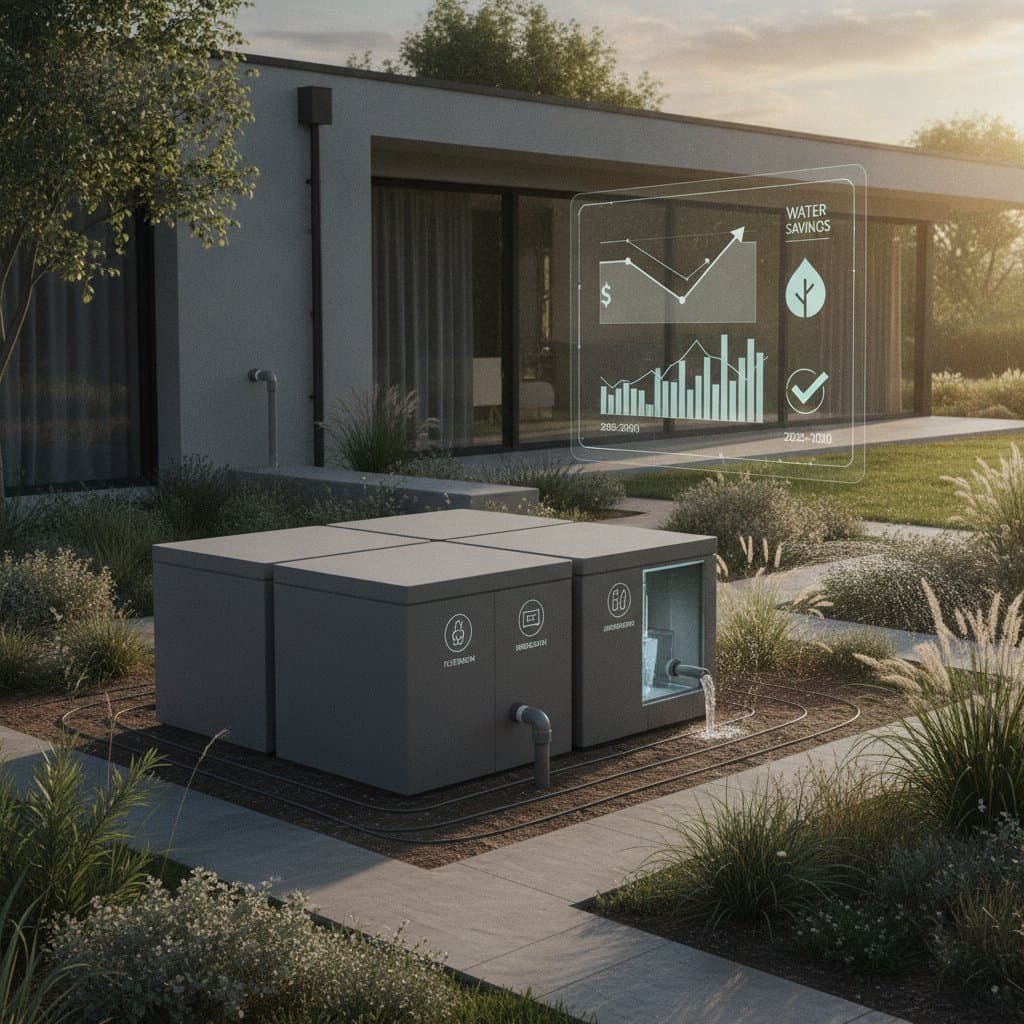
Greywater adoption eases pressure on public water infrastructure and promotes water-wise gardens. One system conserves 15,000 to 25,000 gallons of fresh water each year, mitigating aquifer drawdown and aiding compliance with drought measures. Such enhancements boost property appeal in water-conscious markets and support eco-friendly living standards.
Key Factors Shaping Return on Investment
Payback speed hinges on:
- Local utility pricing: Steeper rates accelerate recovery.
- System capacity: Bigger investments yield proportionally larger gains.
- Routine care: Consistent maintenance sustains peak output.
- Yard composition: Drought-resistant flora demands less water overall.
Steps to Implement Your System
Examine your latest utility statement to baseline consumption. Pinpoint primary greywater generators, such as bathing and laundering. Solicit estimates from at least two specialists attuned to area codes, and inquire about available rebates to offset initial expenses. With thoughtful planning, this upgrade delivers enduring fiscal and ecological rewards.