Rebates That Slash 2026 Greywater Installation Costs
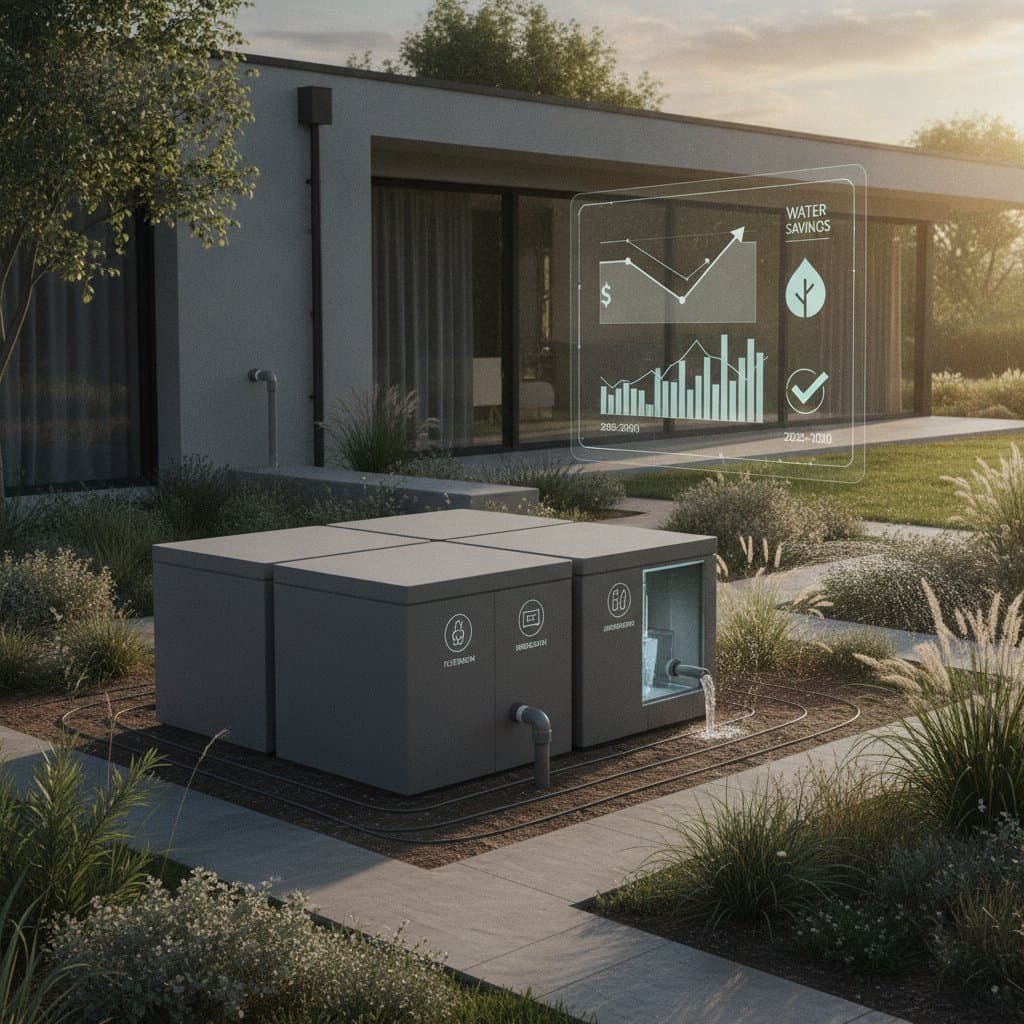
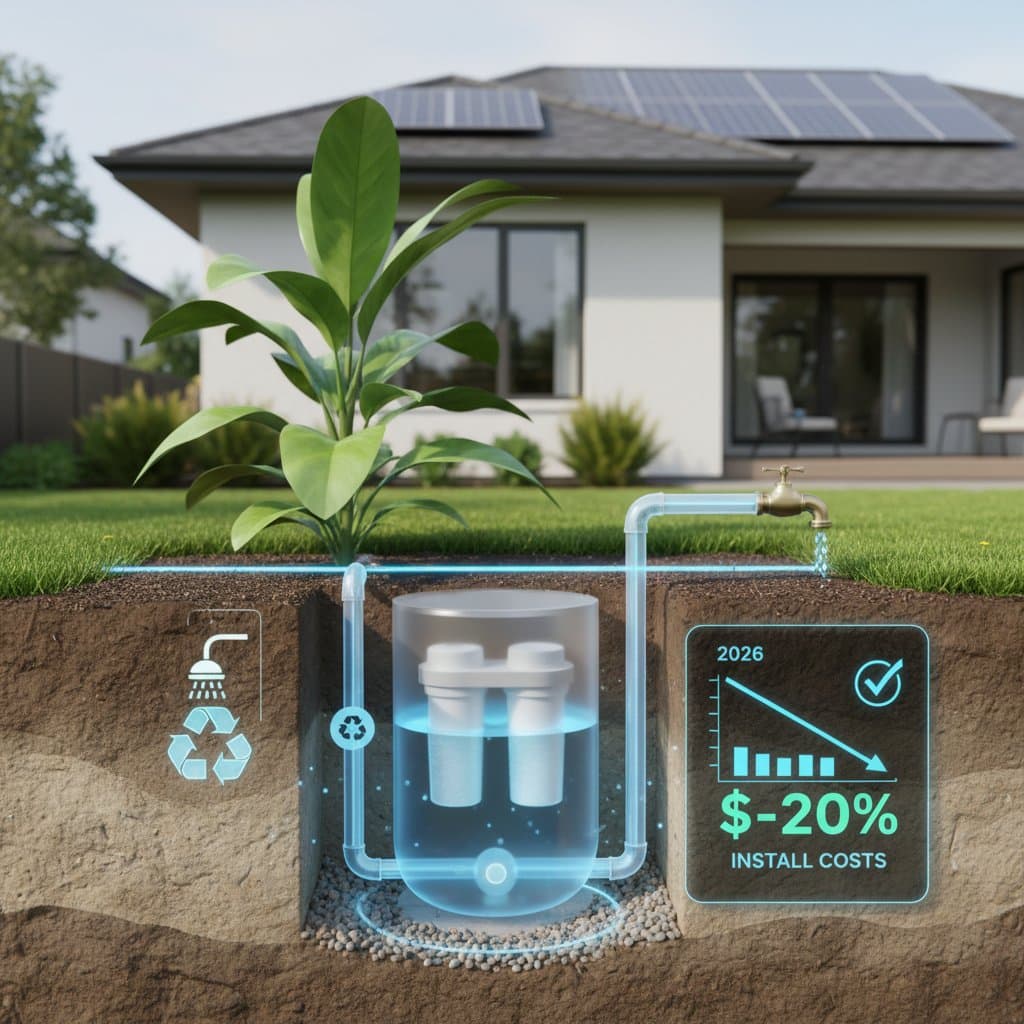
Homeowners confronting elevated water bills and stringent drought restrictions increasingly adopt greywater systems to recycle household water effectively. These systems capture mildly used water from sinks, showers, and laundry appliances for landscape irrigation or toilet flushing. Although the upfront installation expenses present a challenge, expanding rebate and incentive programs alter this landscape. Local governments, utility providers, and environmental initiatives across numerous regions deliver financial assistance that substantially lowers these costs.
This guide details the mechanics of rebate programs, elements impacting greywater system prices, and essential preparatory steps for installation. It further examines regional cost variations, installer service tiers, and subtle influences on overall project expenses.
Pricing Models and Structures
Greywater specialists employ diverse pricing approaches based on project scale. Grasping these frameworks enables homeowners to evaluate bids with precision.
Hourly Rates Versus Flat Fees
Certain contractors apply hourly rates ranging from 60 to 120 dollars per hour, suitable for modest retrofit endeavors. Extensive installations frequently adopt flat-fee structures encompassing design, materials, and labor. Such fees ensure budgetary certainty, particularly for intricate systems demanding several workdays.
Per Unit or Project-Based Pricing
Providers might assess charges per fixture, including each sink or shower incorporated into the system. This approach prevails in modular greywater setups where individual water sources receive separate treatment. Project-based pricing suits expansive properties featuring unified plumbing and irrigation networks.
Bundle or Package Pricing Strategies
Select firms present bundled packages integrating consultation, design, installation, and maintenance at a fixed rate. These offerings frequently incorporate prolonged warranties or compliance certifications, mitigating future risks and streamlining financial planning.
Subscription Versus One-Time Service Costs
A niche market segment provides subscription maintenance at 20 to 50 dollars monthly, addressing filter cleaning, inspections, and performance evaluations. The primary installation constitutes a singular expense, yet this model attracts those desiring seamless functionality.
Key Variables Influencing Greywater System Pricing
Multiple technical and operational elements shape total project expenditures beyond the stated base rate.
Scope or Size of the Project
Integrating a solitary laundry line proves less demanding than a comprehensive home retrofit linking various fixtures. The quantity of collection points directly escalates material and labor demands.
Complexity and Required Skill Level
Configurations necessitating pumps, controllers, or subsurface distribution lines require licensed plumbers or water system experts. Professional certification elevates labor rates while guaranteeing adherence to municipal regulations.
Time Required for Completion
Basic systems install within one day, whereas sophisticated arrangements span multiple days. Prolonged timelines amplify expenses, notably in areas with elevated wage standards.
Materials or Equipment Needed
Filtration devices, UV sterilizers, and intelligent irrigation controllers contribute to costs. Opting for mechanical filtration over electronic disinfection can diminish outlays, although it might restrict viable water reuse options.
Rebates and Incentives That Reduce Costs
Rebate initiatives propel greywater system uptake. Civic and regional entities leverage them to promote water conservation and eco-conscious landscaping.
Municipal and Utility Rebates
Numerous cities and water authorities furnish rebates offsetting 20 to 50 percent of installation costs. For instance, a 4,000-dollar mid-tier system might yield a 1,200- to 2,000-dollar rebate. Certain programs disburse fixed sums per fixture or per square foot of irrigated terrain.
State and Regional Programs
Broad incentives focus on arid zones, encompassing tax credits or grants for residential water recycling. Participants generally submit evidence of expert installation and system verification.
Federal Sustainability Incentives
Countrywide grants occasionally encompass advanced greywater setups within holistic home efficiency enhancements. Though rarer than solar or heating, ventilation, and air conditioning rebates, they layer atop local offerings to markedly curtail net costs.
Manufacturer and Retail Promotions
Specific equipment producers extend time-limited discounts or rebates on filtration components, pumps, or controllers. These require minimal administrative effort, appealing for expedited projects.
Comparing Quotes and Providers
Choosing an appropriate installer proves vital for rebate qualification and system efficacy. Beyond mere cost, homeowners evaluate several criteria when assessing bids.
Key comparison factors include:
- Licensing, bonding, and insurance credentials
- Proficiency in local rebate documentation
- Labor and equipment warranty provisions
- Client references or testimonials
- Available maintenance and support services
Water reuse authority Sarah Delgado, a certified specialist, notes that soliciting several quotes frequently trims installation costs by up to 15 percent. Transparent pricing and meticulous records avert subsequent surprise fees.
Long-Term Value of a Rebated Greywater System
Initial rebates yield enduring fiscal and ecological advantages. Average households diminish outdoor water usage by 25 to 40 percent, contingent on yard dimensions and system configuration. Seasonal accumulations of these reductions recoup any unreimbursed installation portions.
Property appraisers observe elevated home valuations for residences with embedded water recycling. This stems from heightened consumer recognition of sustainable practices and the allure of reduced utility outlays.
Steps to Secure Rebates and Proceed with Installation
To harness 2026 rebates effectively, begin by researching local programs through municipal websites or utility portals. Compile necessary documentation, including system specifications and installer credentials, prior to application submission. Engage certified professionals early to align designs with rebate criteria and streamline permitting processes. Schedule inspections promptly post-installation to expedite rebate processing. Monitor ongoing performance to sustain eligibility for any maintenance incentives, ensuring sustained savings and compliance.