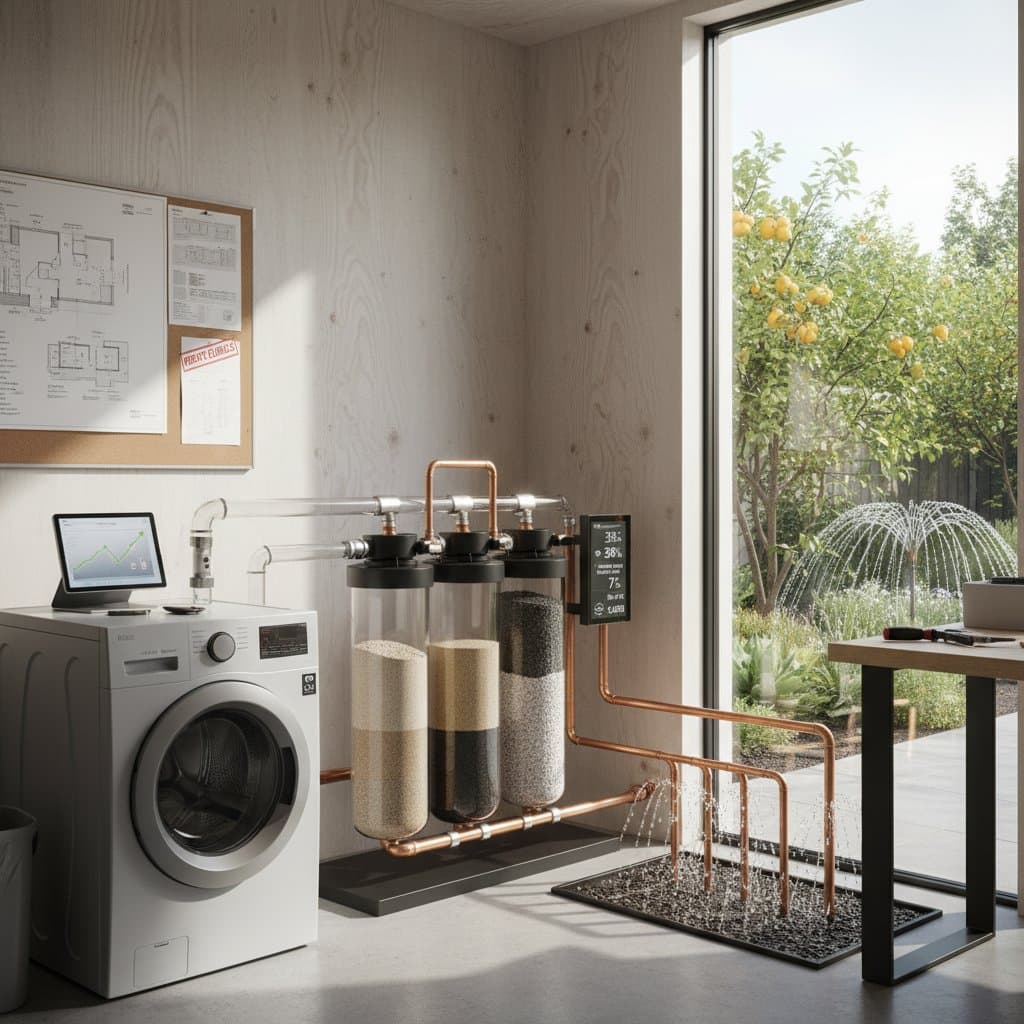
Understanding Greywater Systems and 2026 Costs
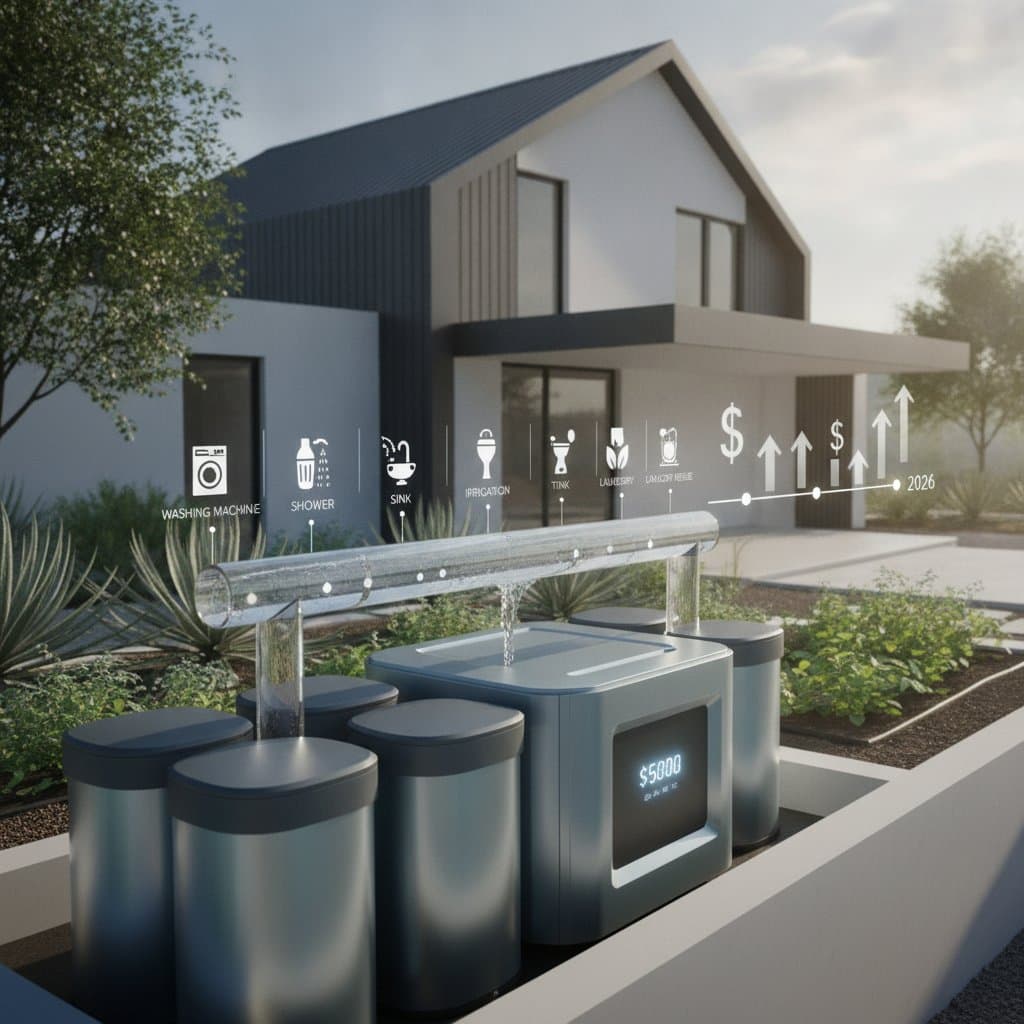
Greywater recycling systems attract homeowners seeking to lower water bills and preserve resources. These systems collect lightly soiled water from sinks, showers, and washing machines, then filter and repurpose it for irrigation or toilet flushing. Knowledge of installation and maintenance costs enables homeowners to determine if this investment aligns with their sustainability objectives and financial plans.
Core Cost Elements for Greywater Systems
The national average cost for a residential greywater system ranges from $1,000 to $10,000, based on system type and installation demands. Basic laundry-to-landscape configurations typically cost under $2,000, whereas comprehensive whole-home systems with filtration and storage tanks surpass $8,000. These estimates encompass materials, labor, and essential plumbing modifications.
Costs differ by region. Coastal states and zones with rigorous water conservation rules face elevated prices from high demand and stringent codes. Areas with abundant water supplies benefit from lower costs due to relaxed regulations and reduced labor expenses.
Prices fluctuate seasonally, with increases during dry periods when irrigation systems gain popularity. Contractors provide discounts in slower seasons when water conservation projects decline. Broader economic factors, including inflation, local wage rates, and material prices, also shape installation expenses.
Common Pricing Approaches
Installers of greywater systems employ various pricing methods. The primary options include:
- Hourly rates: Plumbers and technicians charge $50 to $100 per hour for planning, setup, or repairs.
- Flat fees: Companies present bundled prices for full installations, particularly for typical home systems.
- Per-unit or project-based pricing: This approach fits properties with several zones or intricate irrigation layouts, where each element increases the base price.
- Subscription or maintenance plans: Providers extend service agreements for filter changes, tank maintenance, and checks, ranging from $100 to $300 per year.
Homeowners benefit from scrutinizing quotes to clarify inclusions such as permits, testing, and upkeep services.
System Levels and Associated Costs
Greywater systems vary in complexity, each corresponding to a specific price bracket.
- Basic systems: Gravity-based laundry-to-landscape units with basic filtration cost $1,000 to $2,000. They suit small gardens or single-family residences.
- Standard systems: Configurations managing multiple sources with fundamental filtration and automated delivery fall between $3,000 and $6,000.
- Premium systems: Automated, filtered, and pressurized models range from $7,000 to $10,000. These enable home-wide reuse and often feature digital oversight.
- Custom or commercial systems: Tailored designs for expansive properties or communal spaces exceed $15,000, influenced by storage volume and plumbing intricacies.
Factors Shaping Greywater Installation Costs
Multiple elements determine the total expense of a greywater setup:
- Scope and size: Larger residences or sites with numerous bathrooms and irrigation areas necessitate extra piping, pumps, and controls.
- Integration challenges: Incorporating greywater into current plumbing requires more effort than new builds. Retrofitting aged infrastructure often involves accessing walls or floors.
- Duration of work: Basic residential projects last one to three days, but sophisticated systems with tanks and filters extend to a week.
- Materials and components: Expenses for tanks, filters, pumps, and valves depend on quality and size. Superior filtration enhances durability yet raises upfront costs.
Optional Features and Extra Fees
Additional enhancements beyond the core system impact the overall budget:
- Filtration enhancements: Sophisticated filters or UV treatment units add $300 to $800, promoting safer water and prolonged equipment lifespan.
- Storage solutions: Incorporating a tank for processed water contributes $1,000 to $2,000, scaled to volume needs.
- Monitoring technology: Smart devices for usage tracking and performance evaluation cost $200 to $600.
- Priority scheduling: Accelerated setups or urgent fixes incur a 10 to 20 percent surcharge on regular labor.
Budget for local permit fees and potential inspection costs, which differ by jurisdiction.
Professional Perspectives and Market Trends
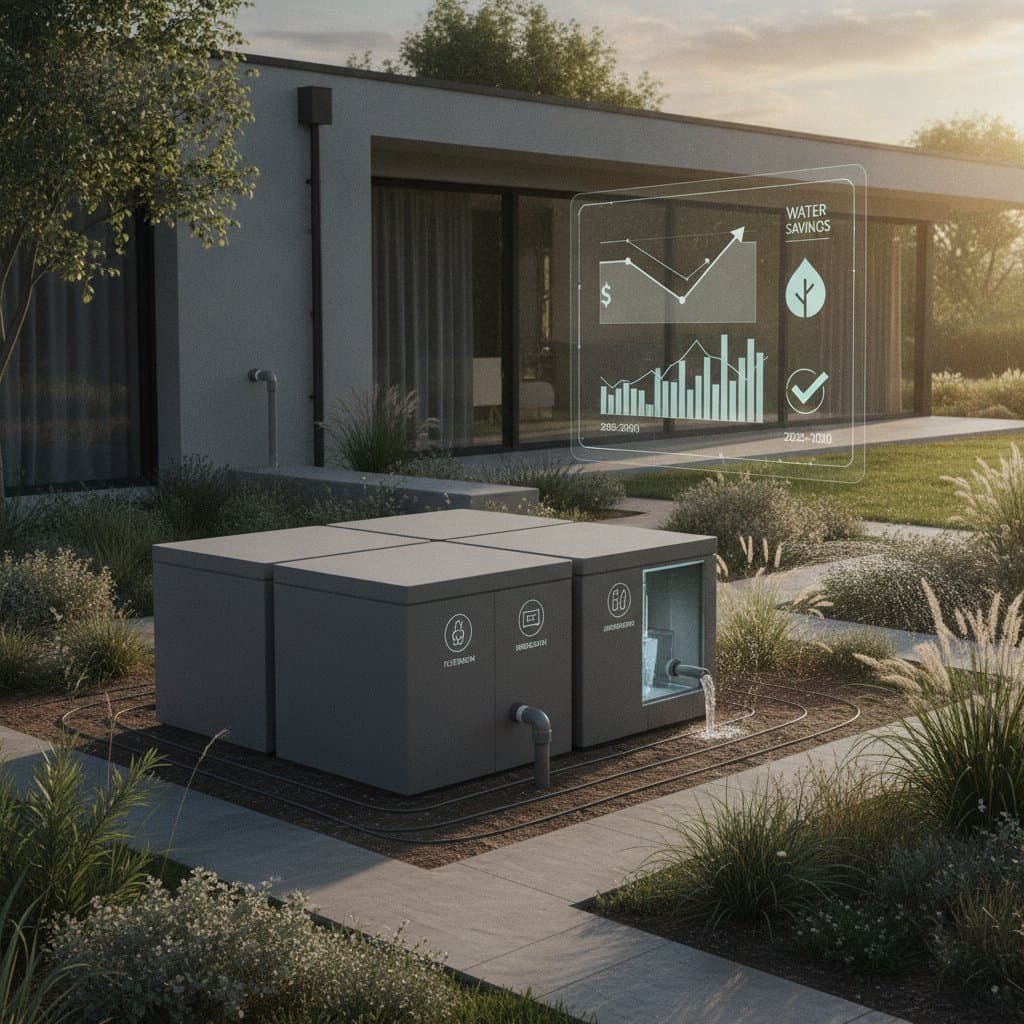
The American Water Works Association indicates that households save up to 40 percent on indoor water by redirecting greywater to non-drinking uses. Eric Grant, a plumbing engineer focused on eco-friendly designs, notes that clients recoup expenses in three to five years via reduced bills and irrigation efficiencies. Surveys reveal that homes with greywater features command higher market values and attract eco-aware purchasers.
Manufacturers like Water Wise Systems and AquaLoop observe rising residential interest, fueled by municipal rebates and growing recognition of water shortages. Certain locales provide incentives or tax breaks that offset up to 20 percent of costs, enhancing financial returns.
Steps to Install Your Greywater System
Homeowners prepared for greywater adoption start by analyzing usage habits and pinpointing suitable fixtures. Engage a licensed plumber or sustainability specialist to verify code adherence and safety. Obtain several estimates, evaluate system varieties, and inquire about maintenance obligations prior to selection.
Regular tasks like filter swaps and tank cleanings sustain efficiency and security. Select efficient pumps and robust materials to curb ongoing expenses.
An effective greywater installation delivers savings on utilities, healthier landscapes, and reduced ecological impact. Through careful preparation, expert input, and consistent maintenance, homeowners achieve dependable water reuse that bolsters finances and community environments.