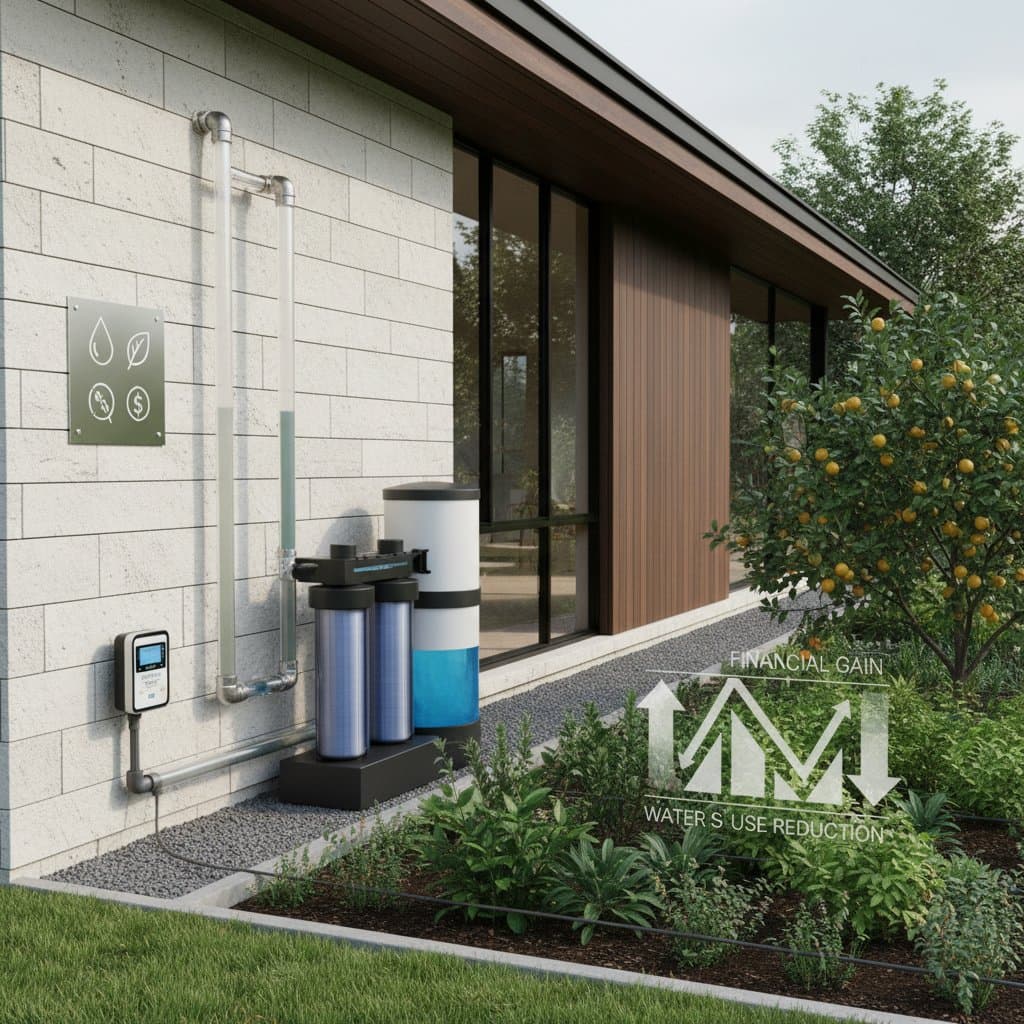
Unlock Big Savings: Greywater System Costs
Water scarcity affects many homeowners as utility rates climb and environmental concerns grow. Greywater systems provide a practical upgrade by recycling water from showers, bathtubs, and laundry machines. These setups decrease reliance on freshwater sources and trim monthly bills. Installation costs vary, yet the enduring savings and ecological gains justify the expense.
Understanding Greywater Systems
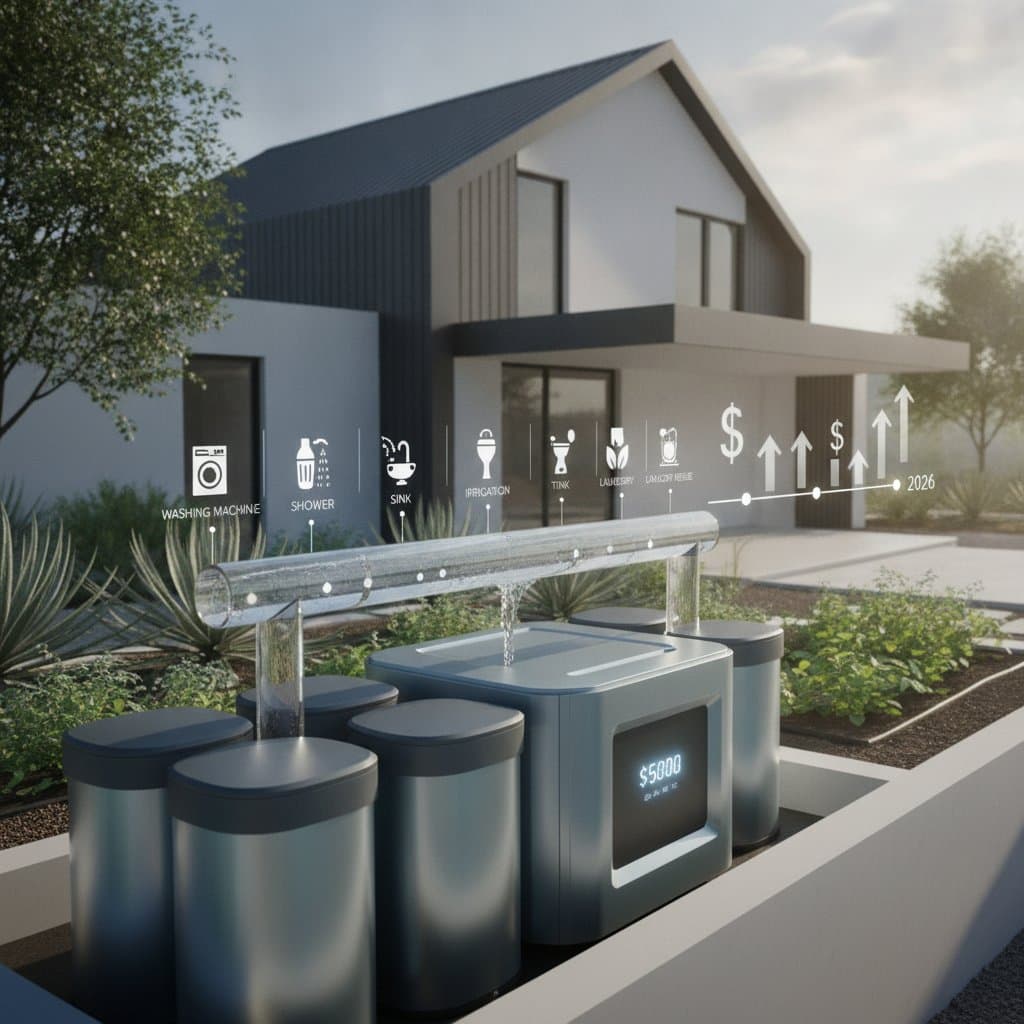
Greywater consists of lightly used water from sinks, showers, and washing machines. This differs from blackwater, which originates from toilets and kitchen sinks laden with contaminants. Greywater systems gather this water, apply filtration, and redirect it for tasks like toilet flushing, garden watering, or additional laundry cycles in sophisticated designs.
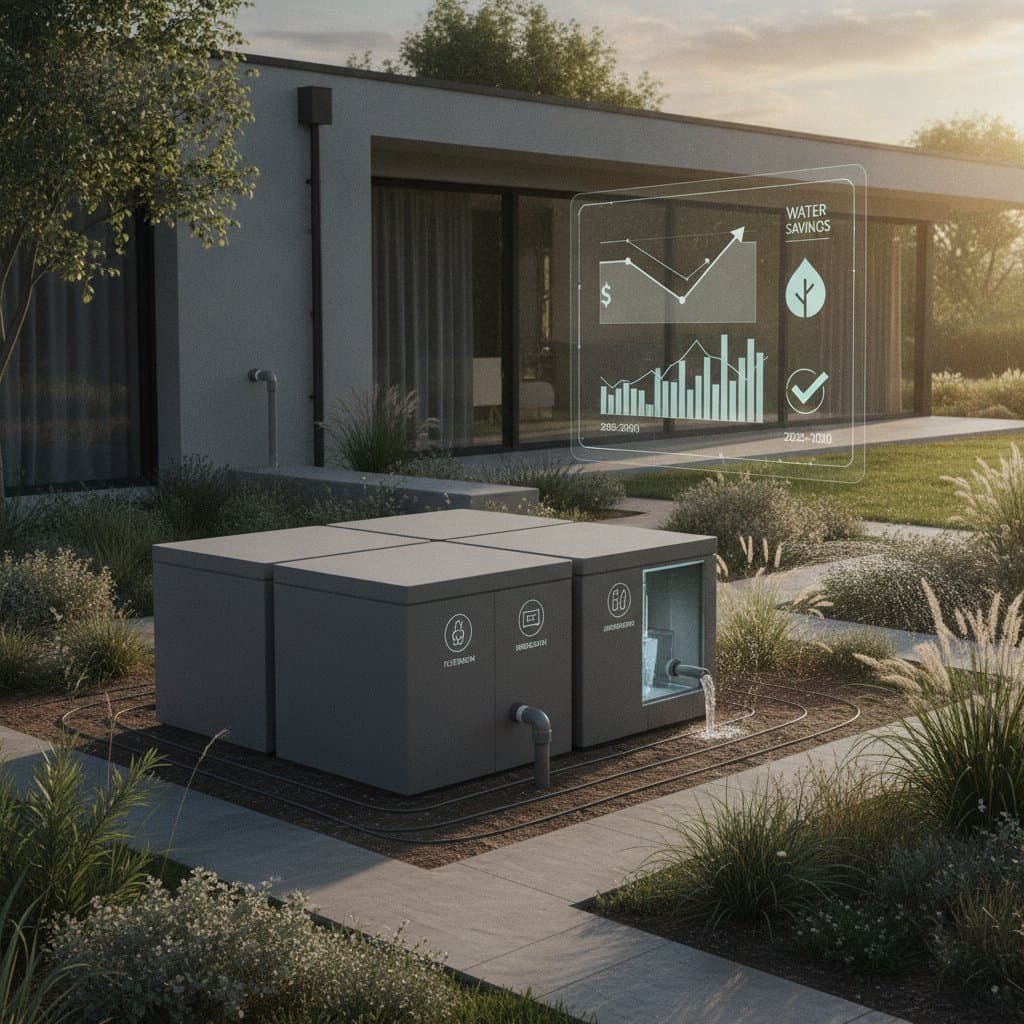
Basic configurations feature a collection tank, filtration unit, and distribution pump. Advanced models incorporate smart controls, automatic valves, and soil moisture sensors. Select a system based on your household water patterns, family size, and regional plumbing regulations.
Core Cost Factors
Multiple elements shape the overall expense of a greywater system. Grasping these aids in budgeting accurately and preventing unexpected charges.
System Type
Greywater systems divide into diversion and treatment varieties.
Diversion systems channel greywater to irrigation or toilets post-basic filtration. These prove simpler and cheaper to set up.
Treatment systems purify, disinfect, and store water for broader applications. They demand more gear and upkeep but yield purer output.
Diversion setups begin at 800 to 2,000 dollars. Treatment options span 3,000 to 8,000 dollars, scaled by capacity and features.
Home Size and Plumbing Layout
Incorporating a system in new builds costs less than retrofitting older homes. Accessible, clustered plumbing simplifies the job and cuts expenses. Multi-level houses or spread-out fixtures may require added pipes and pumps, inflating costs by 1,000 to 2,500 dollars.
Filtration and Storage Components
Filters range from mesh screens to multi-stage carbon and UV units. Tanks hold 50 to 500 gallons, with prices climbing alongside size and material strength. Allocate 300 to 1,200 dollars for these essentials.
Labor and Permits
Hire certified professionals to align with codes and standards. Labor runs 1,500 to 3,500 dollars, varying by complexity. Permits and inspections add 100 to 500 dollars in some locales.
Automation and Monitoring
Options like auto-valves, flow meters, and app-based oversight enhance usability. These add 500 to 1,000 dollars yet streamline operations and minimize servicing.
Estimating Installation Costs
For a standard single-family residence, anticipate 2,500 to 7,500 dollars total, covering materials, labor, and core filtration. Premium systems handling diverse uses or advanced purification may exceed 10,000 dollars.
New construction saves up to 30 percent on labor through integrated planning. Retrofitting suits most contemporary homes, though it demands more effort.
Annual Maintenance Costs
Regular care sustains efficiency. Clean or swap filters quarterly, and flush tanks as needed. Basic systems incur 100 to 300 dollars yearly; advanced ones 300 to 600 dollars.
Service contracts from installers ease the process and maintain water purity.
Calculating Water Savings
Payback hinges on local rates and usage. A four-person household with a diversion system cuts consumption 25 to 40 percent monthly. Annual savings reach 100 to 400 dollars regionally.
Over ten years, totals surpass 2,000 to 3,000 dollars, recouping much of the outlay. High-scarcity zones or tiered pricing amplify returns. Rebates and incentives slash initial costs 10 to 30 percent in qualifying areas.
Environmental and Practical Benefits
Greywater systems ease municipal supply pressure, shrink wastewater loads, and foster eco-friendly yards. Recycled water nourishes plants with inherent nutrients, yielding lush growth.
One homeowner shared on Reddit that their mid-tier treatment system slashed bills by a third quickly. This account underscores the dual fiscal and planetary rewards of home water recycling.
Choosing the Right System for Your Home
Evaluate greywater output and intended reuse to pick wisely. Laundry-heavy families suit washer-linked diversion units. Irrigation enthusiasts favor sensor-equipped, timer-based models.
Engage a code-savvy plumber pre-purchase. Restrictions may bar edible crop watering or mandate backflow safeguards. Adherence keeps operations safe and effective.
Key Considerations
- Water source: Link only approved fixtures; skip kitchens to avoid clogs from grease.
- Space availability: Confirm spots for tanks, filters, and servicing access.
- Local regulations: Review municipal rules on reuse and approvals.
- Budget: Weigh initial spend against savings and sustainability aims.
Installation Process Overview
The setup unfolds in structured phases.
- Assessment and design: Experts review plumbing and size the system.
- Permitting: Officials vet and greenlight the blueprint.
- Plumbing modification: Reroute lines from select sources.
- Tank and filter installation: Position gear in utility spaces.
- Testing and inspection: Verify function and regulatory fit.
Simple installs wrap in three days; intricate ones extend to two weeks.
Long-Term Benefits
Such systems elevate home worth, especially in drought-prone spots. Prospective buyers value lower utilities and green credentials, speeding sales per real estate insights.
Gardeners gain steady hydration, cutting plant stress and boosting yields. This synergy of thrift and resilience fortifies household sustainability.
Sustaining Performance
Commit to routine checks for optimal results. Monitor for leaks or blockages promptly. Professional tune-ups annually preserve investment value and output quality.
Advancing Your Water Strategy
Embrace greywater to master resource use. Through thoughtful selection, expert setup, and diligent care, realize fiscal ease, vibrant grounds, and reduced impact.