Invest in Greywater: Costs Versus Smart ROI Gains
Homeowners increasingly focus on efficient water use both indoors and outdoors. Greywater recycling systems offer a practical approach to reducing water bills and enhancing property sustainability. These systems capture lightly soiled water from sinks, showers, and laundry, filter it, and redirect it for irrigation or toilet flushing. Proper installation yields enduring savings and environmental advantages.
Understanding Greywater Systems
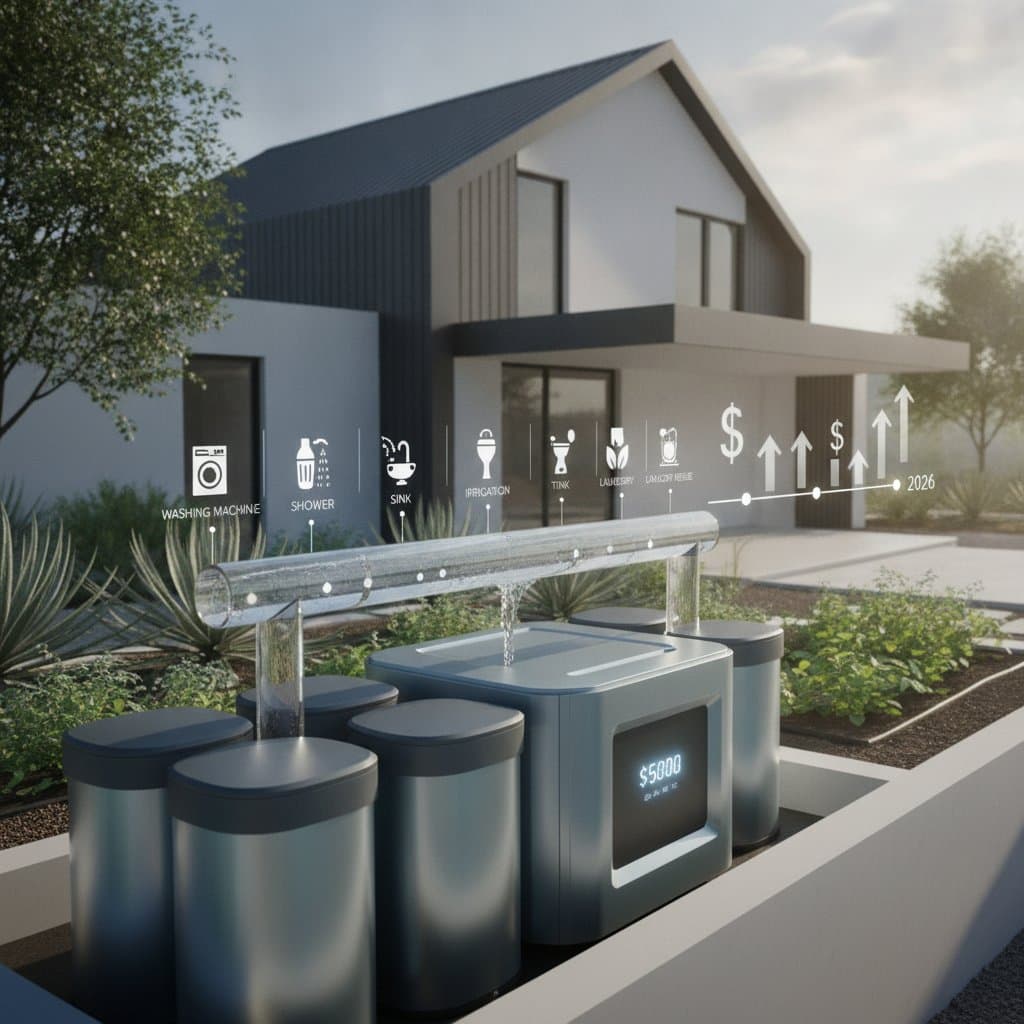
Greywater systems gather wastewater free of sewage. They divert this water from primary drainage and process it via filtration to eliminate soap, lint, and debris. The treated water then stores or flows to reuse points.
Two primary system types exist:
- Simple diversion systems, which channel greywater straight to landscape irrigation.
- Treatment systems, which purify and sanitize water for expanded uses, such as indoor toilet flushing.
Each variant carries distinct costs and upkeep needs, yet both diminish reliance on municipal freshwater sources.
Installation Costs Breakdown
Greywater system expenses vary based on design intricacy, regional plumbing codes, and home scale. Basic diversion setups typically cost between $2,000 and $4,000. Advanced treatment systems, incorporating storage tanks, pumps, and multi-stage filters, range from $8,000 to $15,000.
Hire a licensed plumber or specialized water contractor for installation. They evaluate existing pipes, identify optimal collection sites, and verify compliance with local regulations. Attempting a DIY project risks overlooking backflow safeguards and filtration essentials, potentially leading to odors or contamination.
Although upfront costs exist, systems often recoup expenses in three to seven years. Payback hinges on daily water consumption, utility rates, and reuse volume.
Ongoing Maintenance Expenses
Post-installation, greywater systems demand regular care. Clean filters every three months and service pumps annually to avoid blockages. Inspect and sanitize storage tanks biannually to prevent sediment accumulation.
Yearly upkeep averages $200 to $500, far outweighed by bill reductions. Many users halve irrigation demands. In water-scarce or high-rate areas, savings accumulate rapidly, often exceeding $500 annually.
Local governments frequently provide rebates up to $1,000 or tax credits for qualifying installations. Consult municipal water departments early to access these programs.
Key ROI Benefits for Homeowners
Greywater investments extend beyond finances to include ecological and real estate advantages.
1. Reduced utility expenses: Recycling shower and laundry water for yard use cuts overall consumption by 20 to 40 percent, lowering monthly bills proportionally.
2. Elevated property appeal: Sustainable features attract environmentally aware buyers. A verified greywater setup enhances marketability and can increase home value by 1 to 3 percent.
3. Enhanced water security: In droughts or restrictions, these systems sustain gardens and essential functions independently of public supplies.
4. Broader ecological gains: Less wastewater enters sewers, easing treatment plant loads and conserving aquifers. Studies indicate households save 10,000 to 30,000 gallons yearly through reuse.
DIY Versus Professional Installation
For straightforward setups, DIY diversion systems suit single-level homes with easy pipe access. Source materials like diverter valves and mulch basins for under $500, completing work over a weekend with code research.
Professional installations deliver certified parts, automated controls, and regulatory assurance, ideal for complex or indoor-reuse scenarios. Higher fees ensure reliability and warranties.
Consider modular designs for scalability. Begin with outdoor diversion and add treatment later, distributing costs while adapting to evolving needs.
Calculating Payback Timelines
Savings emerge within initial billing periods, varying by habits. High-volume users, such as families with frequent laundry, achieve faster returns than minimal redirectors.
To project outcomes, monitor baseline usage via utility meters. Estimate greywater potential, say 50 gallons daily from baths and washes, then apply local rates, often $0.005 per gallon. Tools like rebate-adjusted spreadsheets refine these figures.
Incorporating Smart Features
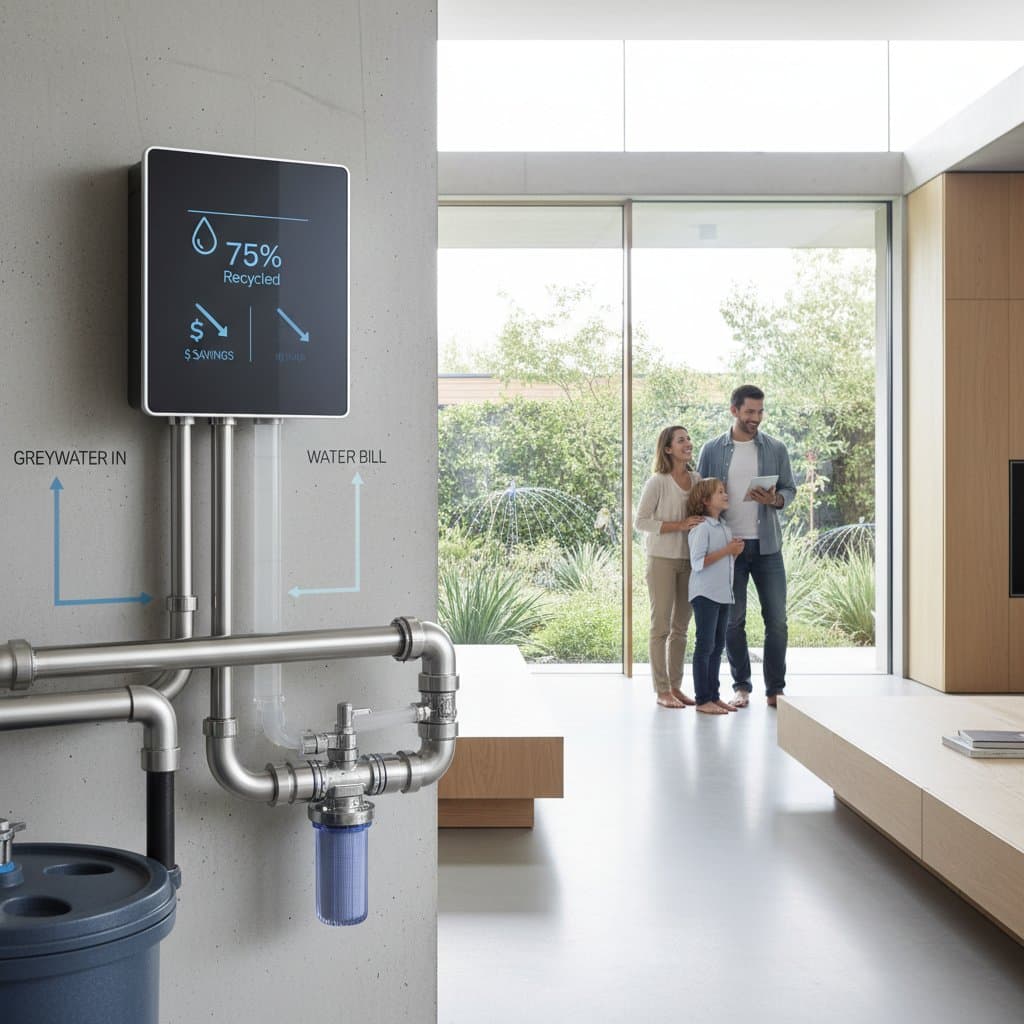
Contemporary systems integrate sensors and apps for precision. Devices track filter status, reservoir levels, and flow rates, alerting users to issues via mobile notifications.
Advanced units, such as those from Ecovie or Nexus eWater, automate diversions based on soil moisture or demand. These innovations minimize manual intervention, elevate water purity, and appeal to tech-savvy residents seeking seamless efficiency.
Broader Environmental and Community Effects
Collective greywater use bolsters regional water stability. Reduced municipal draws alleviate infrastructure stress and secure supplies amid climate variability.
Community discussions highlight how individual efforts compound: one neighborhood's adoption might conserve millions of gallons seasonally, fostering resilience without drastic habit shifts.
Sustaining System Performance
Regular attention maximizes returns. Perform quarterly filter rinses, monthly leak checks, and manufacturer-scheduled tank flushes. Maintain records for rebate claims or resale documentation.
Address dips in efficiency promptly through expert diagnostics. Common fixes involve filter replacements or valve adjustments, restoring optimal operation.
Advancing Home Water Efficiency
Greywater systems enable cost control alongside resource stewardship. Homeowners pursuing enduring upgrades find recycling delivers consistent financial relief, property enhancement, and ecological relief.
Through strategic selection, diligent care, and integrated use, transform household outflows into assets. These solutions position residences for sustainable, resilient futures.