Understanding Whole-Home Water Filtration Costs and Returns in 2026
Access to clean water forms the foundation of a healthy household. Homeowners increasingly install whole-home filtration systems to enhance water taste, eliminate contaminants, and shield plumbing from mineral deposits. These systems involve upfront expenses for purchase and setup, yet they yield returns through enhanced safety, convenience, and increased home worth. Grasping system functions, pricing influences, and return calculations empowers informed choices.
Functions of a Whole-Home Water Filtration System
A whole-home water filtration system processes all incoming water at the primary supply line. This ensures that every outlet, from faucets to showers and appliances, delivers treated water. In contrast to point-of-use filters under sinks, this approach purifies water before it reaches the distribution pipes. Primary objectives involve minimizing chlorine, sediment, iron, and minerals that lead to discoloration or off-flavors.
System varieties align with regional water characteristics and family requirements. Activated carbon filters effectively remove chlorine and organic substances. Sediment filters trap particles such as sand or rust. Advanced options incorporate reverse osmosis for dissolved solids or ultraviolet light for microbial control. Homeowners frequently integrate multiple stages for tailored purification suited to municipal or well sources.
Key Cost Components and Influencing Factors
Prices for whole-home water filtration systems span from several hundred dollars to thousands. Basic single-stage units, like sediment or carbon models, start at lower rates. Multi-stage configurations with softening or advanced purification elevate expenses. Installation charges fluctuate according to pipe configurations and residence scale.
Multiple elements determine overall expenditure:
- System Configuration: Carbon units cost less than reverse osmosis or ultraviolet setups.
- Water Origin: Well water often demands additional treatment for iron or pathogens.
- Flow Capacity: Bigger residences need robust systems to maintain pressure, raising material and labor demands.
- Ongoing Upkeep: Filter replacements and technician visits contribute to yearly outlays.
- Geographic Variations: Local wages and water profiles adjust final figures.
Homeowners sometimes consider self-installation to cut labor fees. Straightforward kits suit those with plumbing experience, but complex integrations require experts to preserve flow rates and avoid breaches. Faulty assembly risks water loss or incomplete treatment, undermining efficiency and increasing future costs.
Calculating Return on Investment
Returns from whole-home filtration manifest in tangible advantages. These encompass decreased appliance servicing, superior water quality, and elevated market appeal. Filtered water eases the burden on washers, dishwashers, and heaters by curbing scale formation. Such protection prolongs device longevity and trims utility bills.
Savings extend to eliminating bottled water dependency. Households transitioning to home filtration recoup hundreds annually. In real estate, prospective buyers prioritize health-oriented features, positioning equipped properties favorably. Track initial outlay against these gains to project breakeven, often within three to five years for average setups.
Weighing Self-Installation Against Professional Services
Self-installation attracts budget-conscious individuals with mechanical aptitude. Readily available kits support basic carbon or sediment units, requiring tools like pipe cutters and sealants. Success hinges on verifying pressure compatibility, securing connections, and matching filter dimensions to pipes. Errors may cause drips, pressure drops, or filtration gaps.
Hiring certified plumbers guarantees precision and reliability. Experts conduct water analysis, recommend appropriate sizing, and secure necessary approvals. They often include guarantees and upkeep packages. Insights from online forums indicate professionals excel in intricate installations, particularly for well systems or multi-component arrays, minimizing long-term issues.
Essential Maintenance Routines and Timelines
Sustained effectiveness demands routine care. Accumulated debris diminishes filter efficacy, potentially causing backups or reintroducing impurities. Carbon elements typically endure six to twelve months based on consumption volume. Sediment variants require quarterly swaps in high-particle environments, whereas resin beds in softeners persist two to five years.
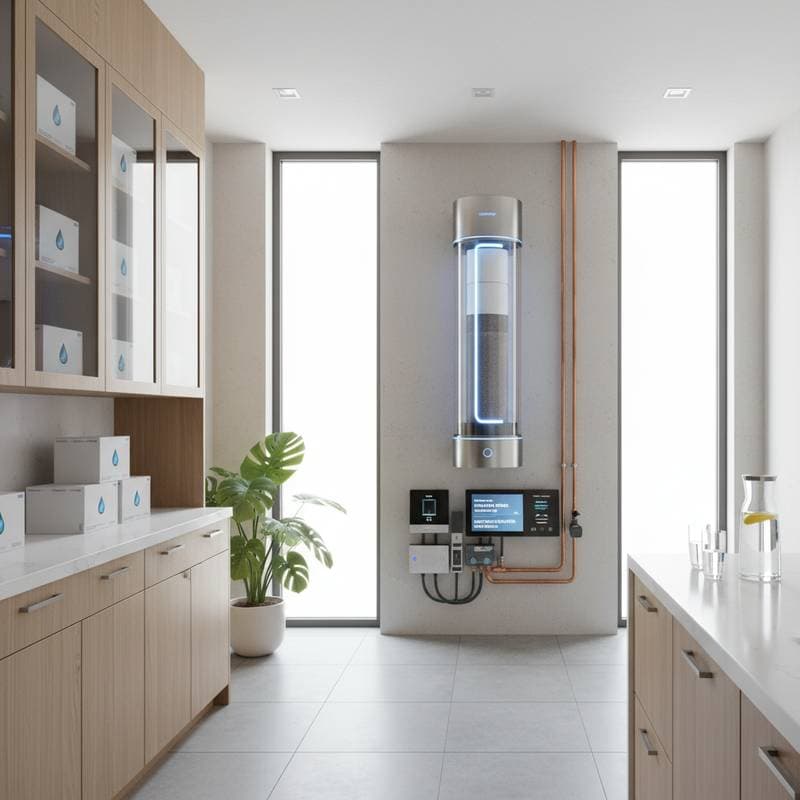
Establish a calendar for checks and renewals to optimize performance. Integrate digital sensors that monitor flow and notify via applications for timely interventions. Proactive habits avert clogs, pressure declines, and expensive plumbing fixes. With diligent oversight, systems operate reliably for over ten years.
Sustainability and Efficiency Aspects
Whole-home filtration advances environmental responsibility. Source-level treatment curtails plastic bottle usage, conserving resources. Most designs function without power, harnessing natural pressure for filtration. When electricity supports ultraviolet or reverse osmosis, draw remains modest relative to refrigeration or heating units.
Modern iterations enhance conservation by reducing rinse volumes in backwashing cycles. This lowers water utility charges and ecological footprint. Environmentally aware residents appreciate how these systems align with efforts to minimize consumption and promote reusable practices.
Tracking Long-Term Value and Performance
Beyond finances, returns include enhanced well-being and ease. Purified water benefits dermal health, preserves fixtures from erosion, and neutralizes odors. These elements enrich everyday activities like bathing and meal preparation. Pairing such gains with mechanical savings creates comprehensive value.
To quantify benefits, monitor these indicators:
- Yearly upkeep expenses versus reductions in bottled water and repair fees
- Pre- and post-installation water analyses for contaminant levels
- Utility savings from scale-free operations in heating equipment
- Property assessments noting filtration as a premium feature
Documenting metrics illuminates system impact and guides future enhancements.
Safeguarding System Longevity
Post-installation, treat the filtration unit as core infrastructure. Maintain logs of services, filter timelines, and periodic quality assessments. Providers frequently offer contracts combining renewals with evaluations for streamlined management.
Consider adding connected devices for real-time oversight. These detect anomalies like leaks or saturation, enabling swift responses. Ultimately, a robust whole-home filtration investment secures healthier living, operational savings, and enduring home equity.