
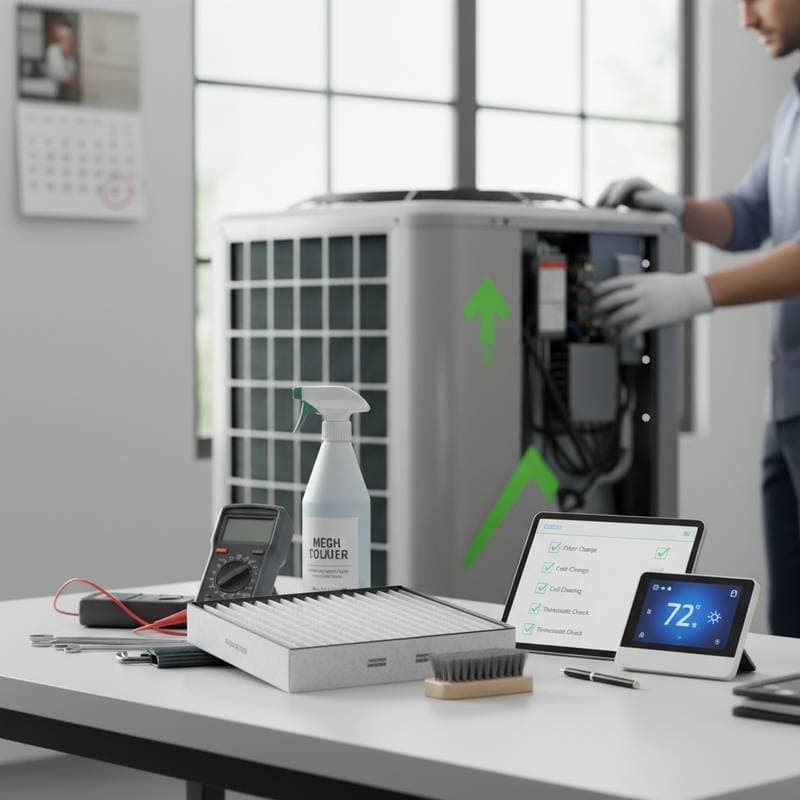
Essential Summer Preparation Checklist for Your Air Conditioner
Summer heat demands a reliable air conditioner, yet many homeowners delay maintenance until issues arise. This procrastination often results in costly repairs and discomfort. By preparing your system in advance, you can minimize expenses, enhance performance, and ensure consistent cooling. The following steps outline practical actions to achieve these benefits.
Conduct a Comprehensive Inspection
Begin with a thorough visual check of your air conditioner to identify potential problems early. Examine the outdoor unit for bent fins, accumulated debris, or loose wires, all of which hinder airflow and efficiency. Inside, inspect vents for dust buildup or obstructions that force the system to labor excessively.
Annual inspections prove vital for long-term reliability. Homeowners who perform pre-summer checks frequently save 15 percent on repair costs compared to those who delay. If uncertainty arises during your assessment, arrange a professional service promptly to avoid peak-season delays.
Replace Air Filters on Schedule
Dirty filters represent a primary cause of diminished AC performance. When dust clogs the filter, the system strains to circulate air, accelerating wear and elevating energy consumption. Plan to replace or clean filters every one to three months, adjusting based on household dust and pet presence.
Select replacements according to manufacturer specifications for size and MERV rating. Higher ratings trap more allergens but require careful matching to prevent airflow restriction. This practice balances air quality improvements with system protection.
Clean the Condenser Coils Thoroughly
The outdoor condenser coils dissipate heat absorbed from indoors. Dirt, pollen, or debris on these coils impairs heat transfer, leading to inadequate cooling. Always disconnect power before maintenance; then, use a garden hose with moderate pressure to rinse the coils gently and avoid fin damage.
For stubborn accumulations, apply a specialized coil cleaner and follow product instructions precisely before rinsing. Such cleaning before summer can boost efficiency by up to 20 percent, ensuring optimal operation during peak demand.
Verify Thermostat Functionality
An unreliable thermostat contributes to excessive system strain. Test accuracy by adjusting the setting several degrees below ambient room temperature; the unit should activate within a minute. Inaccurate readings or delayed responses indicate the need for calibration or upgrade.
Consider installing a smart thermostat for advanced control. Models from leading brands enable remote monitoring and automated adjustments based on occupancy. These devices typically lower cooling expenses by approximately 10 percent over a summer season.
Maintain the Condensate Drain Line
The drain line expels moisture generated during cooling cycles. Clogs from algae or debris can cause water backups, leaks, or complete shutdowns. Prevent issues by flushing the line with a cup of white vinegar every few months.
Should standing water appear near the indoor unit, employ a wet vacuum to clear the obstruction and retest flow. This routine not only averts damage but also regulates indoor humidity, reducing the AC's workload and enhancing comfort.
Examine and Seal Ductwork
Inefficient ducts leak cooled air, wasting up to 30 percent of the system's output. This inefficiency raises bills and creates temperature inconsistencies. Inspect joints in attics or crawl spaces for gaps, then seal them using aluminum foil tape or mastic compound.
Persistent hot or cold spots may warrant professional duct evaluation. Technicians measure airflow and pinpoint concealed leaks, often yielding rapid returns through reduced energy use.
Arrange a Professional Tune-Up
DIY efforts complement but do not replace expert analysis. Professionals assess refrigerant charges, electrical integrity, and airflow dynamics with specialized equipment. They identify subtle issues, such as emerging compressor fatigue, before failures occur.
Many service providers offer seasonal packages encompassing cleaning, testing, and safety reviews. Annual tune-ups extend system longevity by up to five years, safeguarding your investment against premature replacement.
Optimize Airflow Surrounding the Unit
Adequate clearance supports efficient operation. Trim vegetation and clear obstacles within two feet of the outdoor condenser. Indoors, reposition furniture or drapes away from vents to facilitate unobstructed air distribution.
These adjustments alleviate system stress and promote uniform cooling throughout living spaces.
Track System Performance and Energy Consumption
After completing preparations, monitor operations closely. Rising utility bills or prolonged runtime suggest underlying concerns. Install energy monitors or smart plugs to quantify power draw and detect anomalies early.
Safeguard Long-Term AC Reliability
Pre-summer preparation transcends immediate comfort; it preserves a critical home asset. Dedicated maintenance prevents emergency expenses and curtails waste. Refer to this checklist regularly, and secure professional assistance early to enjoy uninterrupted cooling.




