
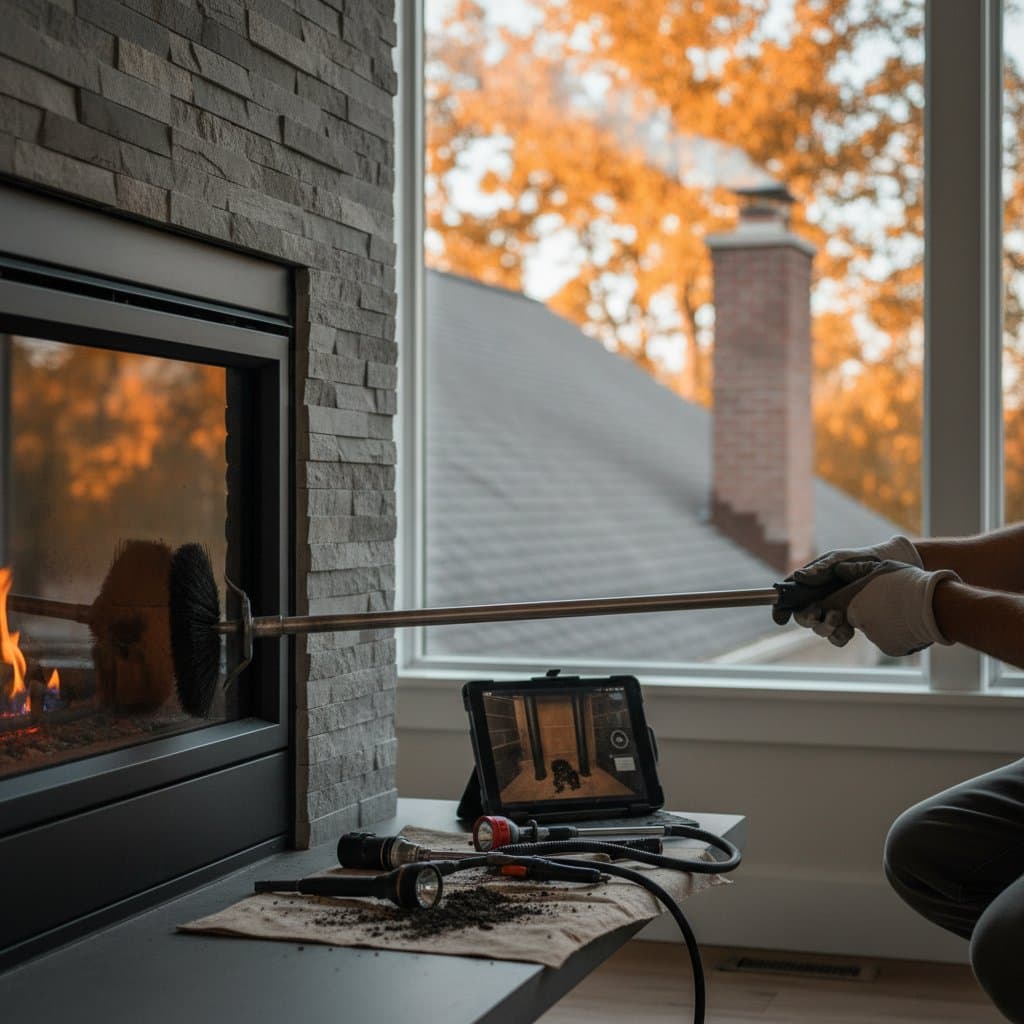
Ensure Safe Fires: Fall Chimney Preparation Essentials
A cozy fire on a crisp fall evening ranks among the greatest comforts of home. Before lighting that first spark, homeowners must verify that their chimney and fireplace stand ready for safe use. Neglecting chimney maintenance invites smoke buildup, poor ventilation, or fire hazards. Proper preparation each fall safeguards the home, boosts efficiency, and ensures gatherings remain safe and warm.
Understanding Chimney Maintenance Costs
Chimney care encompasses services from basic cleaning to thorough inspections. Total costs hinge on the chimney's condition and the scope of work required.
Professional cleaning typically removes soot, creosote, and blockages from the flue. This service covers labor, equipment, and a basic safety check, with prices ranging from $150 to $400 depending on location and complexity. Chimneys unserviced for multiple seasons often demand extra time or specialized tools to address heavy buildup.
Inspection costs fluctuate with the evaluation's depth. A standard visual inspection starts at $100, while video scanning or structural assessments reach $300 or more. Experts recommend these advanced options for older homes or fireplaces exhibiting damage signs.
DIY cleaning seems cost-effective initially, yet it necessitates purchasing or renting brushes, rods, tarps, and safety gear, often totaling $50 to $150. Improper techniques risk leaving harmful residue or damaging the liner, which leads to expensive repairs down the line.
Several factors shape overall costs:
- Chimney height and accessibility: Taller or rooftop-accessible chimneys call for additional safety equipment and time.
- Type of fuel used: Wood-burning fireplaces generate more creosote than gas systems.
- Frequency of use: Regular burning accelerates buildup and heightens maintenance demands.
- Seasonal demand: Prices climb when homeowners flock to schedule services simultaneously.
Although DIY approaches cut immediate expenses, professional services guarantee complete removal of creosote and obstructions. Such thoroughness minimizes fire risks and prolongs the fireplace system's lifespan.
DIY Versus Professional Services: Choosing Wisely
Homeowners frequently debate handling chimney preparation independently. The decision rests on personal skills, comfort with heights, and familiarity with fireplace systems.
DIY advantages include potential savings for those with existing tools, a feeling of accomplishment, and scheduling flexibility on demand.
DIY drawbacks involve challenges in detecting hidden issues like cracks or liner damage, safety perils from roof climbing or soot handling, and the risk of overlooking creosote deposits that spark chimney fires.
Professional benefits feature certified technicians employing cameras and specialized tools, comprehensive structural inspections for assured safety, and efficient, tidy work with proper debris disposal.
Professional limitations encompass higher initial costs and the need for advance bookings during peak seasons.
Individuals at ease with secure ladder use and capable of spotting creosote buildup might manage light tasks like brushing. For comprehensive seasonal readiness, professional intervention proves the safest path.
Common Chimney Questions Addressed
How often does a chimney require cleaning?
Clean the chimney at least once per heating season. Increase frequency if wood burning occurs often.
What exactly is creosote, and why does it pose dangers?
Creosote forms as a tar-like residue from wood combustion. Accumulation within the flue can ignite, triggering destructive chimney fires.
How can one determine if the chimney needs cleaning?
Indicators encompass trouble igniting fires, smoke spilling into the room, or a persistent burnt smell near the fireplace.
Do gas fireplaces demand maintenance as well?
Affirmative. Gas units need checks on vents, pilot lights, and exhaust paths to confirm safe functionality.
What elements does a professional inspection cover?
Technicians examine the flue, chimney cap, crown, and interior walls for cracks, leaks, and blockages.
Is it advisable to use chemical chimney cleaners?
Chemical logs or powders help dislodge minor soot. They cannot substitute for physical brushing or full inspections.
Are chimney caps essential?
Indeed. Caps block rain, leaves, and wildlife from the flue, curbing blockages and corrosion.
What permits or regulations govern chimney work?
Certain areas mandate permits for significant repairs or liner installations. Consult local codes prior to commencing work.
What safety gear fits DIY cleaning?
Equip with goggles, gloves, a dust mask, and stable footwear. Secure a ladder and enlist a partner for oversight.
How much time does professional cleaning consume?
Sessions last one to two hours, varying with buildup severity and chimney state.
What signals concern during inspections?
Watch for dislodged bricks, absent mortar, fractured liners, or damper rust. These point to necessary repairs.
How does one ready the home for a service visit?
Remove items near the fireplace, shield furniture, and provide clear roof or ladder access.
Step-by-Step Guide to Deciding on Chimney Preparation
-
Review fireplace usage patterns. Schedule professional cleaning annually if regular wood fires occur.
-
Gauge personal expertise. Pursue DIY only with confidence in heights and chimney basics.
-
Calculate comprehensive expenses. Factor in time, tools, and possible future repairs for both approaches.
-
Balance safety considerations. Ladder falls or partial cleanings heighten fire dangers; prioritize protection.
-
Book services promptly. Arrange inspections before winter to sidestep delays.
Steps for Effective Fall Chimney Preparation
Begin by selecting local chimney experts boasting positive reviews. Obtain detailed quotes covering inspections, cleanings, and repairs. For DIY efforts, acquire flue-appropriate brushes, tarps, and gear well in advance.
During preparation, inspect the chimney cap for damage and clear visible debris from the exterior. Test the damper for smooth operation and ensure the firebox remains free of ash. These actions set the stage for seamless professional or self-guided maintenance.
Sustaining Fireplace Efficiency Through Winter
Regular monitoring prevents issues from escalating. After initial preparation, sweep ash after each use and watch for smoke irregularities. Such vigilance maintains optimal performance, ensuring fires deliver warmth without worry throughout the season.




