Maximize Home Comfort with Bi-Annual Filter Changes
Maintaining clean indoor air and efficient HVAC performance hinges on a straightforward routine: replacing air filters twice each year. Homeowners often neglect this task, but it profoundly influences daily comfort, utility expenses, and overall well-being. Timely filter replacements lower energy consumption, avert expensive breakdowns, and prolong the lifespan of heating and cooling units.
Understanding Filter Replacement Costs
National average pricing benchmarks:
Standard disposable HVAC filters typically cost between $10 and $30 each. Options with higher efficiency, like HEPA or electrostatic models, range from $40 to $100 per unit. Systems requiring custom sizes or multiple filters increase expenses accordingly.
Regional price variations:
Local factors such as supply availability and environmental conditions drive differences. In areas with high humidity or dust, filters wear out faster, elevating yearly costs. Urban markets often carry premiums from logistics, whereas suburban or rural shoppers access better deals at hardware outlets or through e-commerce.
Seasonal pricing trends:
Demand surges during intense heating or cooling periods, pushing prices upward. Purchasing in bulk during quieter months yields savings. Retailers commonly discount inventory ahead of spring and fall shifts, providing optimal windows for preparation.
Economic influences on costs:
Fluctuations in raw materials, shipping rates, and production play key roles. Rising inflation impacts synthetic materials and frame components. Shortages in skilled labor can elevate fees for professional installations or inspections.
Pricing Models for Filter Services
HVAC professionals apply diverse approaches to filter replacement billing:
- Hourly versus flat fees: Hourly services average $70 to $120, covering labor and basic materials. Flat rates for complete visits, including checks, fall between $80 and $150.
- Per-unit or project pricing: Multi-system homes benefit from scaled rates, lowering the per-filter expense during group replacements.
- Bundled packages: Comprehensive plans encompass filter changes, coil maintenance, and efficiency evaluations, priced from $150 to $300 per session.
- Subscription options: Monthly plans, at $10 to $20, deliver filters directly with automated reminders. One-off services suit independent users seeking upfront savings over recurring commitments.
Service Tiers and Pricing
Basic services: These cover essential inspections and straightforward replacements, often under $100 if clients provide filters.
Standard professional services: Expanded offerings include duct reviews and airflow assessments, costing $100 to $200 based on regional rates and provider expertise.
Premium comprehensive services: Full optimizations feature calibrations, sanitizations, and air quality analyses, ranging from $250 to $400 for thorough enhancements.
Specialized bespoke services: Advanced setups, such as medical filtration systems, demand custom components and expert handling, with totals surpassing $500.
Factors Shaping Replacement Expenses
Multiple elements dictate final costs for bi-annual maintenance:
- Project scale: Expansive properties with several HVAC units necessitate additional filters and extended labor.
- Technical complexity: Advanced systems or integrated purifiers require certified specialists familiar with intricate designs.
- Duration of work: Basic exchanges conclude quickly, while integrated tasks like vent clearing prolong sessions and fees.
- Required materials: Premium choices, including sensor-equipped or pleated high-MERV filters, exceed basic fiberglass varieties in price.
Optional Add-On Services and Fees
Technicians frequently suggest enhancements to complement core work:
- Duct cleaning: This boosts circulation and pairs well with filters, priced at $300 to $600.
- Coil cleaning: Addressing buildup restores performance, adding $80 to $100 to the bill.
- Air quality assessments: Detailed evaluations of contaminants cost $100 to $250, aiding in allergen management.
- Rush service premiums: Same-day or urgent requests incur $50 to $100 surcharges amid high demand.
The Impact of Regular Filter Maintenance
Consistent replacements ensure steady airflow and curb dust accumulation, preserving comfort levels. The Department of Energy reports that restricted filters can hike energy usage by as much as 15 percent. Professional HVAC technician Miguel Santos notes that most service calls for poor airflow or uneven heating start with a dirty filter. Bi-annual attention to this detail fosters reliable distribution of conditioned air throughout living spaces.
Beyond efficiency, these changes safeguard air purity by capturing pollen, dander, and particulates that trigger sensitivities. Households with young children, animals, or seniors gain significant health benefits from this low-cost measure, creating a safer indoor atmosphere.
Schedule and Execute Effective Changes
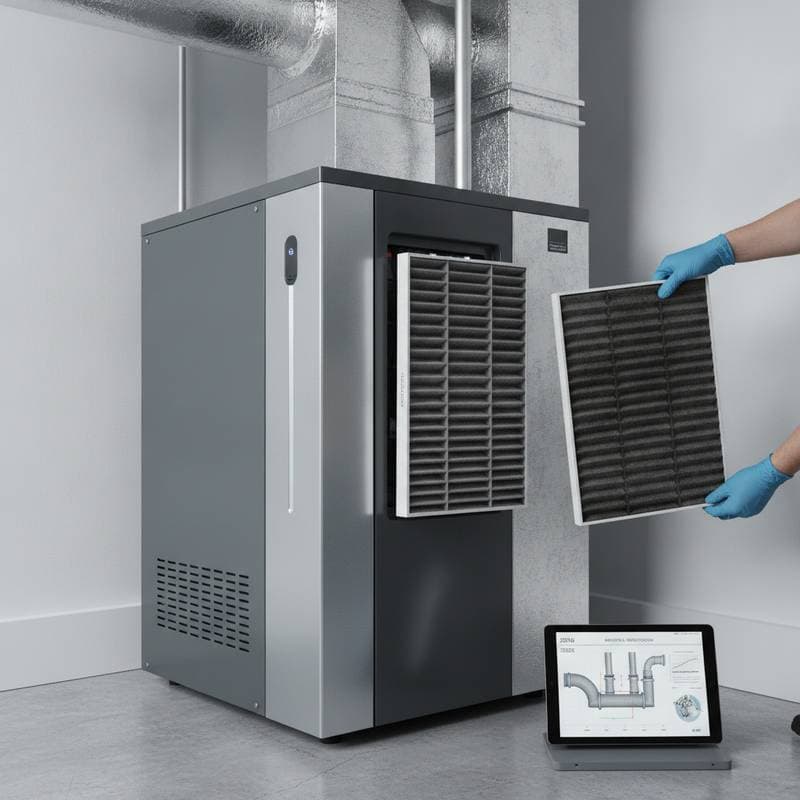
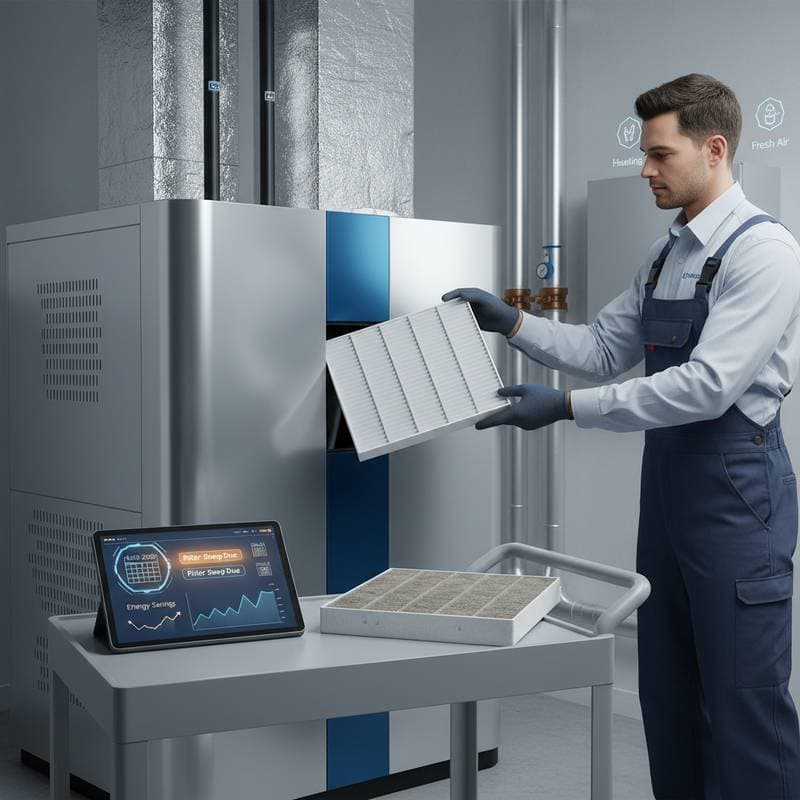
Coordinate replacements with seasonal transitions for ease. Set reminders for early spring and late fall, securing supplies ahead of time. Under a service contract, verify that visits encompass airflow verification, refrigerant monitoring, and thermostat adjustments. For self-managed efforts, document filter dimensions, swap dates, and brand preferences to streamline future tasks.
Adopt these practices to realize immediate reductions in bills and repairs, while enjoying sustained home efficiency and wellness.