Essential Pre-Season AC Maintenance Checklist to Save Hundreds
Warm weather transforms your air conditioner into a critical home system. Many homeowners delay action until the initial hot day reveals underperformance or complete failure. A pre-season inspection and tune-up prevent costly repairs, lower energy consumption, and prolong the cooling system's lifespan. Dedicate a few hours with basic tools to save hundreds on utility bills and urgent service visits.
This guide details each vital step for summer preparation. It integrates professional recommendations, accessible homeowner advice, and precise instructions on DIY tasks versus those requiring a certified HVAC professional.
2. Replace or Clean the Air Filter
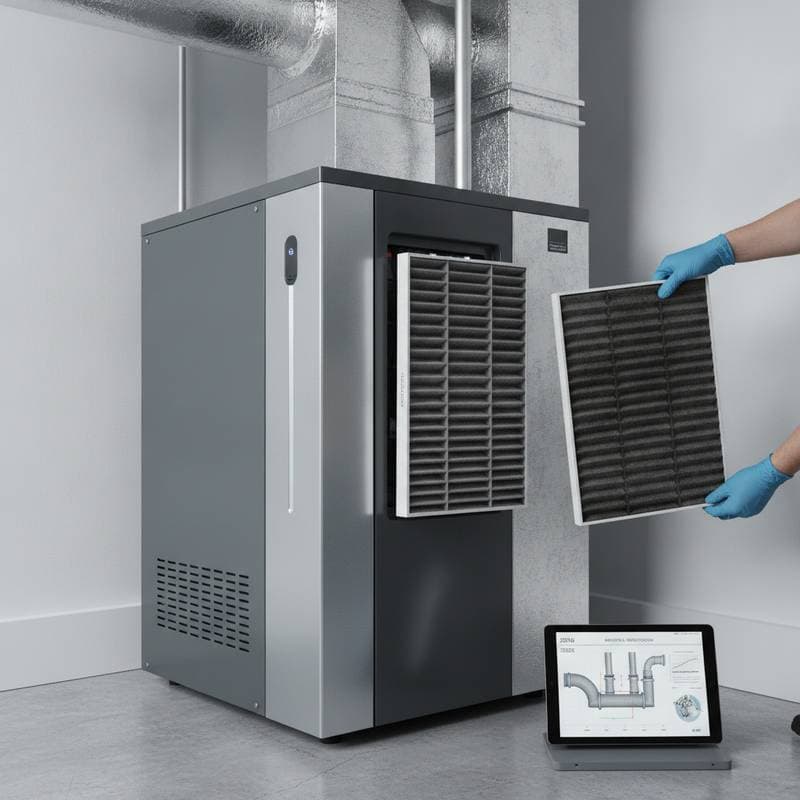
A clogged filter compels the AC to labor excessively, potentially increasing energy expenses by 15 percent. Replace filters every one to three months based on usage and environmental factors. Households with pets or high dust levels benefit from monthly evaluations.
Select a filter with a MERV rating of 8 to 13 for typical residences. Elevated ratings trap finer particles yet may impede airflow in incompatible systems. For reusable options, rinse with water and dry fully prior to reinstallation.
Filters cost 10 to 40 dollars each, offering substantial returns through reduced strain, enhanced air quality, and prolonged equipment life.
4. Inspect the Drain Line and Pan
The AC extracts indoor humidity, directing moisture via a PVC drain pipe. Algae and mold eventually clog this path, leading to backups in the pan or household leaks.
Identify the drain line adjacent to the indoor coil. Introduce a cup of white vinegar quarterly to inhibit growth. If flow resists, utilize a wet-dry vacuum at the exterior outlet to remove obstructions. Examine the underlying pan for fractures or rust; replacements range from 30 to 60 dollars and avert extensive water damage.
5. Inspect and Seal Ductwork
Duct leaks dissipate up to 25 percent of cooled air prior to room delivery. Such inefficiency extends runtime and elevates bills.
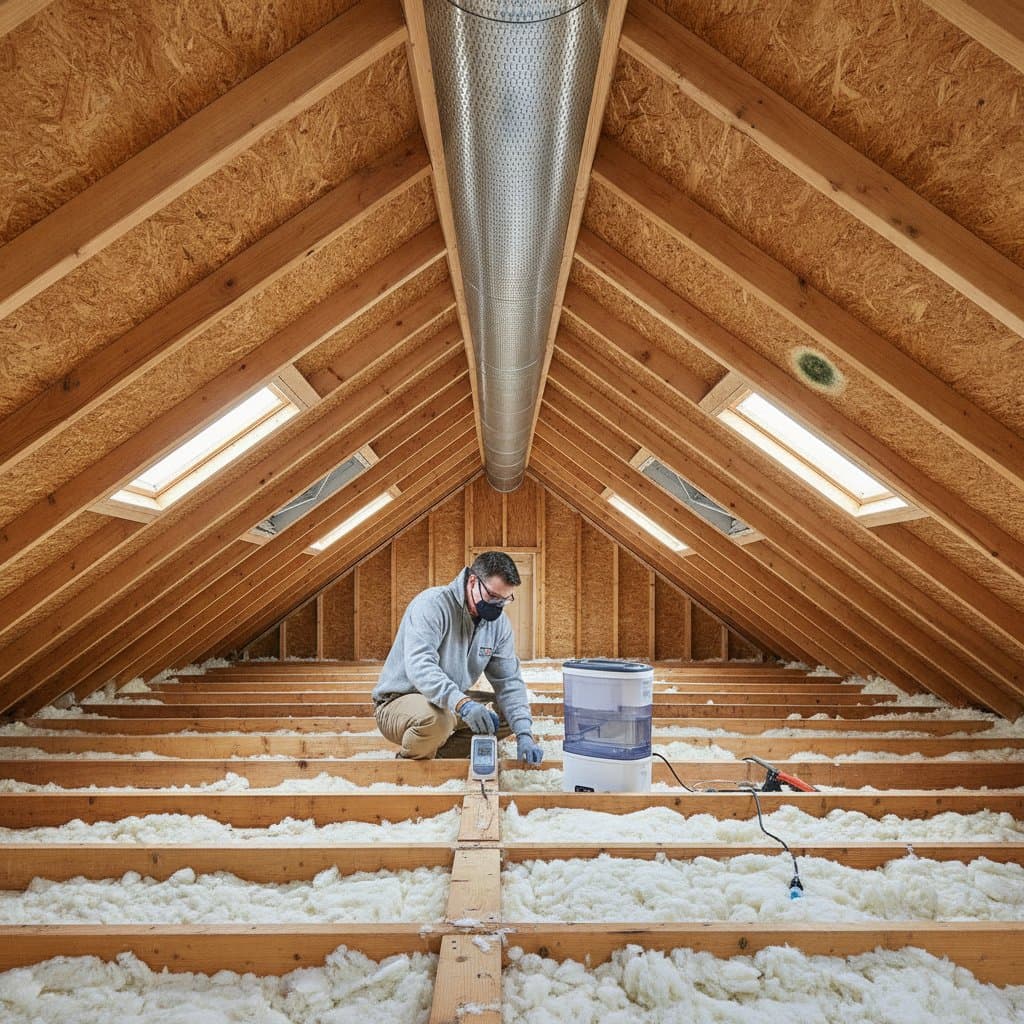
Review accessible ducts in attics, basements, or crawl spaces for separated joints, openings, or compromised insulation. Apply mastic sealant or foil tape to seal minor breaches; steer clear of cloth tape, which degrades under thermal stress.
Expert sealing for an average home costs 300 to 700 dollars, often recouping investment through seasonal savings. Request a pressure test from your technician to quantify leakage if major issues seem present.
6. Test the Thermostat
An imprecise or unresponsive thermostat squanders energy and compromises comfort. Lower the setting by several degrees and observe system activation; verify batteries and breakers if response lags.
Upgrade from manual models to programmable or smart versions. These devices learn routines and automate adjustments, cutting cooling costs by 10 percent. Ecobee and Google Nest models install easily and suit most central setups.
7. Tighten Electrical Connections
Loose electrical elements foster hazards and erratic failures. Deactivate power at the breaker before any electrical handling.
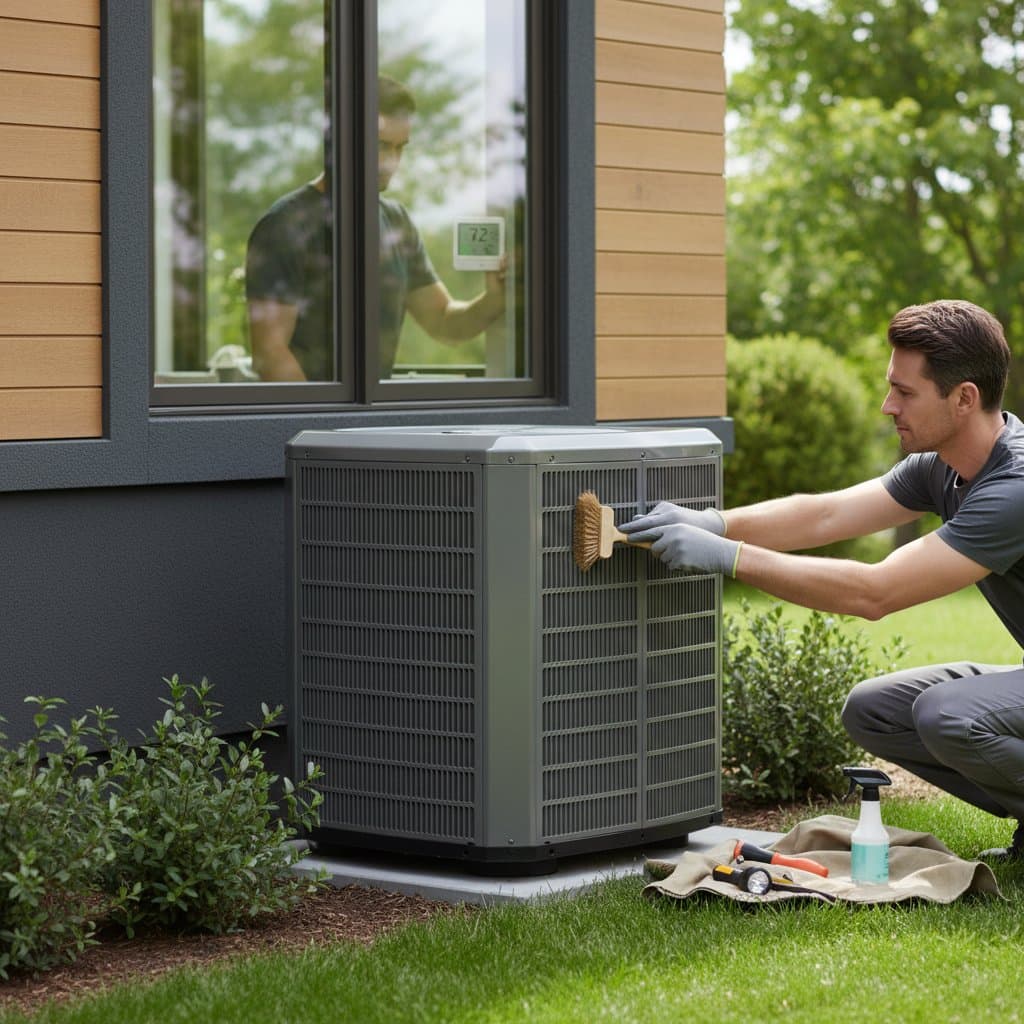
Access the outdoor unit panel and scan for corrosion or unsecured terminals. Secure connections with an insulated screwdriver. Encounter burnt contacts or degraded insulation signals overheating; cease work and summon a licensed professional.
8. Lubricate Moving Parts
Certain legacy blower motors and fans feature oil ports needing regular attention. Administer drops of non-detergent oil formulated for electric motors. Excess application draws dust; use restraint. Consult the manual, as contemporary units often employ sealed bearings exempt from lubrication.
Lubrication minimizes friction, curbs noise, and safeguards motor longevity. Squeals or grinds suggest bearing wear or belt problems warranting service.
9. Check Refrigerant Levels
Insufficient refrigerant impairs cooling and endangers the compressor. Homeowners lack authorization and equipment for recharging; focus on operational observation.
Monitor for frost on lines, subdued airflow, or insufficiently chilled output during runtime, indicating leaks. Prompt professional evaluation follows these symptoms. Repair expenses span 150 to over 1,000 dollars based on severity; early detection spares compressor costs.
10. Run a Full System Test
After completing prior tasks, activate the system and observe for 15 minutes minimum. Confirm smooth fan operation indoors and outdoors, plus uniform cool air from vents. Gauge the temperature differential between return and supply vents; 15 to 20 degrees signifies optimal function.
Address rattles, squeaks, or buzzes by securing panels and bolts, as vibrations arise from looseness. Enduring noises imply motor or fan imbalances needing expert correction.
11. Schedule Professional Maintenance
DIY efforts complement annual expert service for maximum efficiency. Standard visits range 100 to 200 dollars, encompassing coil cleaning, refrigerant verification, motor testing, safety checks, and electrical review.
Obtain a detailed report on component conditions and upgrade suggestions. Maintenance agreements lower fees and prioritize summer support.
12. Enhance Home Efficiency
Optimize AC performance by aiding cool air retention. Apply weatherstripping to window edges, hang blackout curtains on solar-exposed panes, and verify attic insulation compliance. Ceiling fans distribute air, permitting higher thermostat settings without comfort loss.
Track Maintenance for Long-Term Savings
Consistent pre-season care delivers dependable cooling, reduced expenses, and breakdown avoidance. Most procedures require under an afternoon and minimal supplies.
Maintain a calendar noting filter changes, coil cleanings, and drain clears. This practice fosters reliability and early issue detection, curbing repair escalation.
Pair personal maintenance with professional oversight to equip your AC against heatwaves. Initial preparation yields hundreds in savings across the season, ensuring cool, comfortable living.