Expect This from Your Fall Chimney Inspection
A chimney serves a vital role beyond simply venting smoke. It safeguards your home against excessive heat, harmful gases, and moisture from the fireplace. Neglecting regular maintenance invites safety risks and expensive fixes. Professionals recommend a thorough inspection each fall to confirm your fireplace operates safely and efficiently as winter approaches. Understanding the process allows you to prepare effectively, manage costs, and appreciate the technician's detailed evaluation.
Why Fall Is the Right Time for Inspection
Autumn provides the perfect window for chimney inspections. After a period of low usage during warmer months, any accumulated debris, animal nests, or weather-related wear becomes evident before you start regular fires. Addressing these issues early prevents disruptions during the heating season. Booking early in fall also sidesteps the rush, as demand for services surges closer to winter. Experts advise scheduling appointments in September or October to ensure availability.
What a Chimney Inspection Includes
Certified inspectors adhere to guidelines set by the Chimney Safety Institute of America. They classify inspections into three levels, each designed for specific scenarios based on the chimney's history and condition.
Level 1 Inspection
This entry-level inspection suits chimneys with stable structures and consistent usage patterns. Technicians focus on visible components of the chimney, fireplace, and flue. They search for accumulations of soot, obstructions, and apparent deterioration.
Key steps involve:
- Examining the firebox for fractures or deteriorating mortar
- Testing the damper for unrestricted movement
- Assessing the flue liner for deposits or signs of rust
- Evaluating chimney caps, crowns, and flashing for wear
If problems remain minor, a routine cleaning suffices. Fees for this inspection typically range from $100 to $250, influenced by regional rates and site access.
Level 2 Inspection
Opt for a Level 2 inspection during home sales, following chimney fires, or prior to renovations. It encompasses all Level 1 procedures, plus advanced internal examination via video scanning. This method reveals hidden flaws such as fractures, eroded mortar, or deformed liners.
Inspectors often extend their review to attic spaces and crawl areas where the chimney penetrates floors, verifying adequate separation from flammable surfaces. Prices fall between $300 and $600. The added investment yields comprehensive insights, averting surprise costs from undetected damage.
Level 3 Inspection
Reserve Level 3 for situations involving suspected major structural issues or concealed dangers. This invasive approach requires dismantling parts of the chimney or adjacent walls to expose internal elements. It applies in cases of potential collapse, post-fire assessment, or water infiltration suspicions. Expenses begin at $800 and escalate with necessary restorations.
Common Problems Found During Fall Inspections
Inspections in autumn frequently uncover issues that arose over the prior year. Some demand straightforward fixes, while others require prompt intervention to mitigate hazards.
1. Creosote Buildup
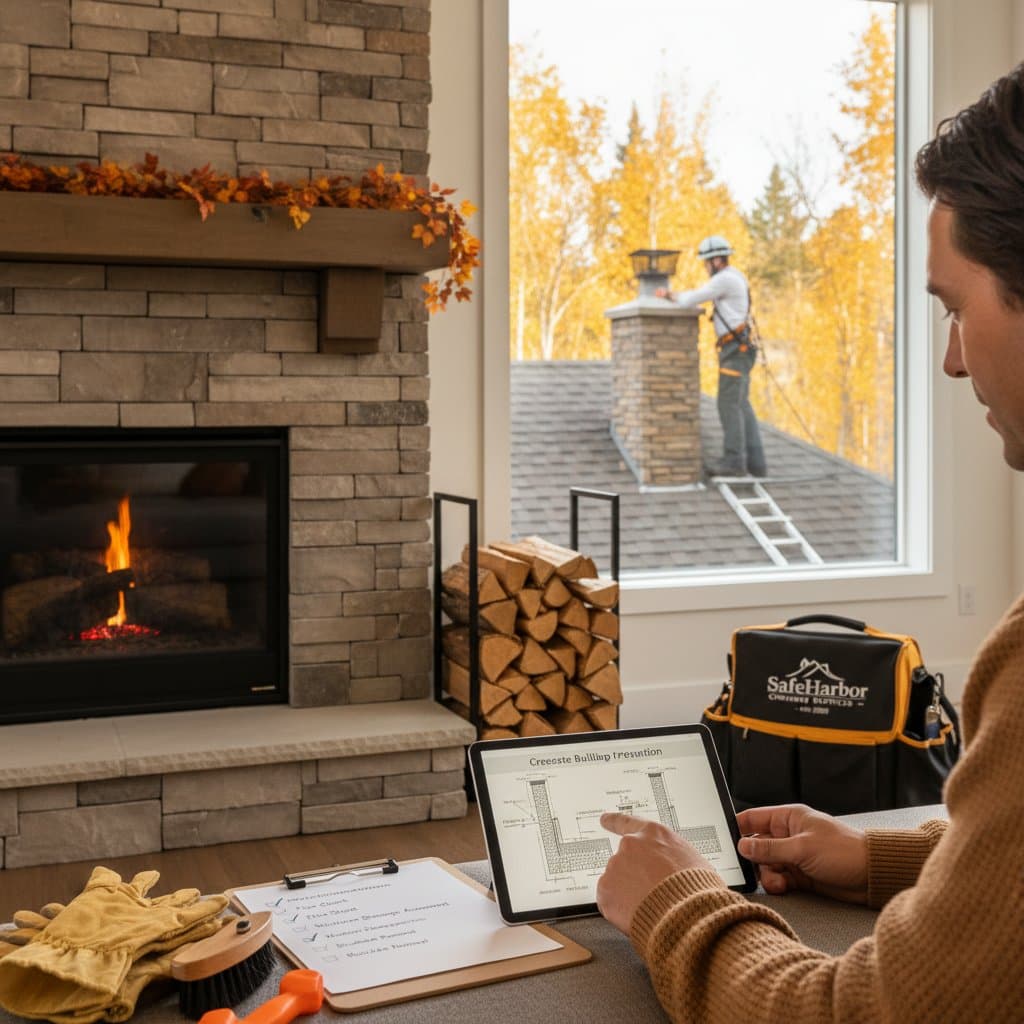
Creosote accumulates as a tar-like deposit within the flue from burning wood. A buildup exceeding 1/8 inch poses a fire risk under intense temperatures. Untreated, it escalates to chimney fires. Technicians gauge the thickness and advise cleaning to eliminate the threat.
2. Blockages and Obstructions
Debris like fallen leaves, branches, or bird nests impedes proper ventilation. Such barriers weaken draft and permit carbon monoxide leakage into the home. Removal by a specialist, paired with a protective cap installation, resolves and prevents future incidents.
3. Masonry and Mortar Damage
Water seeps into fissures in bricks or mortar, then freezes in cold weather, exacerbating cracks. Signs include flaking bricks, eroded joints, or compromised flashing. Simple tuckpointing runs a few hundred dollars; extensive crown rebuilding or repointing surpasses $1,000.
4. Damaged Chimney Liner
Liners shield surrounding masonry from corrosive heat. Clay versions fracture with age, and metal ones corrode. Video inspections pinpoint these defects early. Replacement costs $1,200 to $3,500, varying by chimney dimensions and liner type.
5. Moisture and Rust
Corrosion on dampers or firebox components signals water entry. Faulty caps or crowns often contribute. Without correction, degradation spreads, fostering mold growth. Solutions include sealing gaps or full component replacement to halt infiltration.
Preparing for Your Inspection Appointment
Clear ash and loose material from the fireplace hearth in advance. Move any furniture or decorations at least three feet away to provide clear access. Refrain from using the fireplace for 24 hours prior, ensuring surfaces cool for safe handling. Confine pets to separate areas to minimize interruptions.
Gather records of past inspections or cleanings; these aid in monitoring long-term trends. Report any symptoms like excessive smoke or odd smells to the inspector. Such details enable a customized evaluation.
Cleaning and Maintenance Recommendations
Annual cleaning proves essential for most chimneys, though usage intensity and fuel type dictate frequency. Dense hardwoods generate less creosote than resin-rich softwoods. Sweeps employ rods, brushes, and vacuums to extract residues cleanly, avoiding indoor dust spread. Post-cleaning, they verify draft strength for optimal function.
Between professional visits, adopt these habits:
- Use only dry, seasoned firewood
- Close the damper after each use
- Fit a durable stainless-steel cap against pests and precipitation
- Monitor for efflorescence, a white powdery residue signaling water issues
- Reinspect following extreme weather events or seismic activity
Safety and Efficiency Benefits
Regular fall inspections enhance protection and operational performance. A cleared chimney promotes complete combustion, minimizing indoor smoke and carbon monoxide risks. Well-kept systems burn fuel more effectively, cutting wood consumption. Homeowners following consistent schedules report up to 40 percent savings on urgent repairs, based on shared maintenance experiences.
Steps to Sustain Chimney Longevity
Your fireplace enhances home appeal and functionality when properly cared for. Prioritize fall inspections with qualified professionals boasting strong community feedback. Treat the chimney as a core utility, not merely an aesthetic element. This approach safeguards your property, boosts energy use, and guarantees enduring comfort through countless winters.