Fall Chimney Sweep: Timing and Expectations
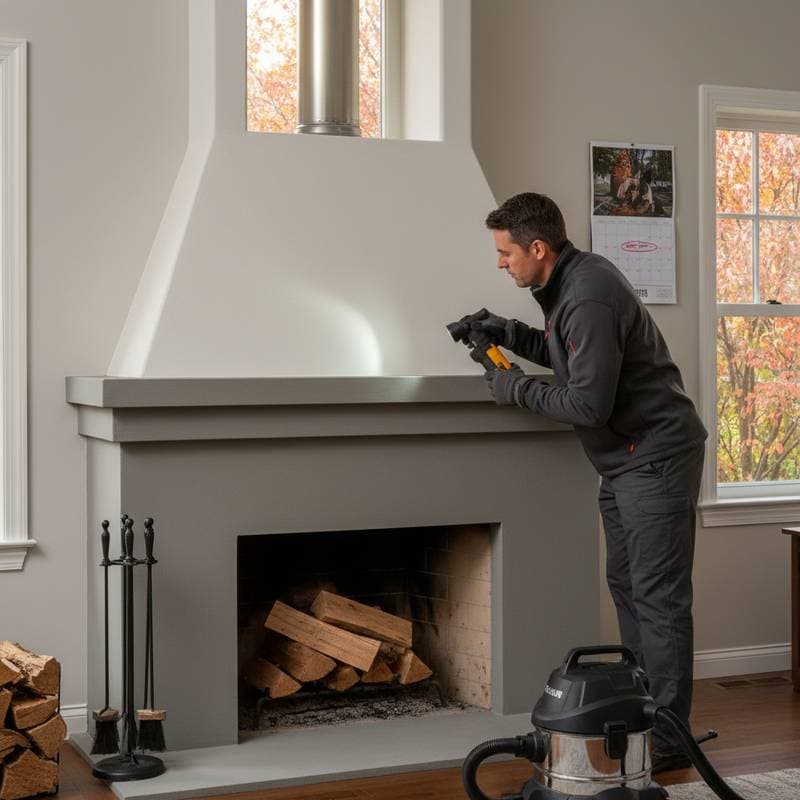
A functional chimney provides essential comfort and safety during the colder months. For numerous homeowners, the fireplace delivers both warmth and aesthetic appeal to living spaces. However, neglect can conceal significant risks. A professional fall chimney sweep prepares the system for regular operation, removes dangerous accumulations, and verifies that all components function correctly.
This guide details optimal scheduling times, the cleaning procedure, and homeowner expectations. It also outlines preparatory and follow-up actions to maximize the service's effectiveness.
Signs Your Chimney Requires Professional Attention
Regular cleaning routines notwithstanding, certain indicators reveal substantial buildup or structural issues. Homeowners should monitor these symptoms prior to igniting any fires:
- Persistent odors from the fireplace. A scent resembling burnt tar points to creosote accumulation.
- Accumulation of dark soot near the fireplace opening. Such residue may discolor surrounding surfaces and degrade indoor air quality.
- Smoke infiltration into the living area. Obstructions like blocked flues or animal nests hinder effective venting.
- Fires that burn inefficiently. Difficulty in sustaining flames typically signals airflow restrictions.
- Apparent debris or nesting remnants. Unused chimneys frequently attract birds and small mammals that construct habitats within.
Upon observing any of these signs, arrange for a professional inspection immediately to avert potential hazards.
Safety and Preparation Guidelines for Homeowners
Homeowners can facilitate a seamless cleaning process with these preparatory measures:
- Clear the surrounding space. Relocate furniture, rugs, and decorative items at least six feet from the fireplace.
- Refrain from burning for a minimum of 24 hours prior. A cooled chimney enhances cleaning safety.
- Restrain pets during the visit. The sounds from brushes and vacuum equipment may disturb animals.
- Verify technician credentials. Select professionals certified by reputable chimney safety organizations.
Following the service, allow several hours for residual dust to settle before resuming fireplace use.
Critical safety advisory: Avoid personal attempts at thorough chimney cleaning. Creosote particles pose respiratory risks, and roof access without specialized equipment presents severe injury dangers.
Recommended Complementary Services
Professional sweepers frequently provide additional enhancements that bolster chimney performance and longevity:
- Installation of chimney caps. These barriers exclude rainwater, falling debris, and wildlife intrusions.
- Repair of flue liners. Addressing fractures restores optimal airflow and thermal efficiency.
- Parging of the smoke chamber. This technique smoothens irregular surfaces to enhance draft performance.
- Application of waterproofing treatments. Such measures shield masonry from damage caused by repeated freeze-thaw exposure.
During the booking process for fall maintenance, inquire about these options. Bundling services often reduces overall expenses through consolidated labor.
Recommended Frequency for Chimney Sweeps
The ideal interval for sweeps varies based on fireplace usage patterns and fuel types. Wood-fired units generate greater residue volumes compared to gas counterparts, though gas vents still accumulate particulates and pests.
Establish a baseline of annual inspections, with cleaning performed whenever deposits exceed one-eighth inch in thickness or become evident. Intensive usage might necessitate supplemental checks midway through the heating season.
For pellet or wood-burning stoves, consult specific manufacturer recommendations. Producers commonly advise cleaning after consumption of each full cord of wood to maintain efficiency.
Everyday Maintenance Practices Between Professional Visits
Homeowners play a vital role in sustaining chimney health through consistent, low-effort routines:
- Select only dry, seasoned wood for burning. Moisture-laden fuel accelerates creosote formation.
- Maintain an open damper throughout operation. Proper positioning promotes ventilation and minimizes smoke backflow.
- Affix a spark arrestor screen. This safeguard prevents hot embers from projecting into habitable areas.
- Inspect the chimney cap on a monthly basis. Confirm its stability and freedom from blockages.
- Clean the hearth area weekly. Routine removal of ash and soot curbs unpleasant smells and minor accumulations.
These straightforward practices diminish residue buildup, streamline future professional interventions, and lower associated costs.
Suggested image: A homeowner arranging stacks of dry firewood next to a pristine fireplace interior, with alt text reading 'Homeowner organizing seasoned wood to support safe and efficient fireplace operation.'
Perspectives from Homeowners and Industry Professionals
Discussions on homeowner forums and service evaluation platforms consistently affirm the value of proactive upkeep. Participants frequently note reduced smoke problems and decreased energy expenditures following diligent maintenance schedules.
One individual recounted how their sweep uncovered a partial obstruction from a disused bird's nest, averting dangerous carbon monoxide accumulation. Another described how waterproofing applications eliminated persistent leaks that had marred interior wall finishes.
Representatives from professional associations advocate yearly evaluations for all fireplace types, including gas models. They emphasize that environmental moisture and corrosive byproducts gradually erode protective liners, underscoring the need for vigilance.
Such accounts illustrate how methodical care mitigates immediate dangers while forestalling expensive repairs.
Strategies for Year-Round Chimney Preservation
To sustain chimney integrity beyond the fall season, integrate these forward-thinking practices into your routine. Begin by documenting your latest sweep date and setting calendar reminders for the subsequent annual service. This proactive approach ensures timely interventions without last-minute rushes.
Additionally, monitor seasonal changes that impact chimney performance, such as heavy rainfall or high winds, which may dislodge caps or introduce new debris. If your home features multiple heating sources, coordinate sweeps to align with peak usage periods, optimizing both safety and efficiency.
By embedding these habits, homeowners not only comply with safety standards but also enhance the overall value of their property through preserved structural elements.
Long-Term Benefits of Consistent Chimney Care
Investing in regular chimney maintenance yields multifaceted advantages that extend well beyond immediate fire prevention. Enhanced airflow translates to more efficient heat distribution, potentially lowering fuel consumption and utility bills. Cleaner systems also contribute to superior indoor air quality by reducing particulate emissions.
Over time, these efforts prolong the chimney's service life, delaying the need for major reconstructions that could cost thousands. Homeowners who prioritize such care report greater confidence in their heating systems, fostering a secure environment for family gatherings around the hearth.
In essence, a well-maintained chimney represents a commitment to safety, sustainability, and enduring home comfort.