Essential Fall Chimney Inspections: Safeguard Your Home Before Winter
Chimneys form the backbone of many homes' heating systems, enduring extreme weather throughout the year. As autumn approaches, accumulated wear from rain, wind, and heat cycles can create unseen vulnerabilities. Conducting a thorough chimney inspection during this season fortifies your home against potential dangers, enhances energy use, and averts major expenses during peak cold months.
The Role of Chimney Inspections in Home Safety
A chimney functions as a critical vent for smoke, heat, and gasesfuel. Buildups of creosote, ash, or debris restrict airflow, allowing harmful fumes to enter indoor spaces. Trained inspectors pinpoint issues like fractured flue liners, deteriorating mortar joints, or compromised roof flashing that elude casual observation.
Even minimal creosote layers pose ignition risks under intense heat, contributing significantly to home fires. Surveys indicate that homes with annual checks experience far fewer heating-related problems than those neglected for multiple years. This proactive measure maintains clear pathways for exhaust and supports overall system integrity.
Optimal Timing: Why Fall Inspections Matter
Fall provides the ideal window to assess and repair your chimney before heavy reliance on heating begins. Demand for services surges in winter, leading to delays, while frozen surfaces complicate access for technicians. Addressing concerns now allows completion of fixes in mild conditions.
Freezing temperatures exacerbate cracks in brickwork by causing water to expand within pores. Early detection and sealing prevent such progression. Additionally, fall sweeps remove seasonal debris like bird nests or fallen leaves, ensuring unobstructed drafts and reducing blockage hazards.
Components Evaluated in Professional Inspections
Comprehensive evaluations span the entire chimney assembly, from the hearth to the topmost cap. Inspectors adhere to a tiered methodology endorsed by fire safety standards, scaling depth based on chimney history and visible wear.
Level 1: Surface-Level Examination
This initial review suits well-maintained chimneys without apparent defects. The specialist surveys visible interior and exterior elements for accumulations of soot, fissures, or water intrusion indicators.
Level 2: Detailed Internal Scanning
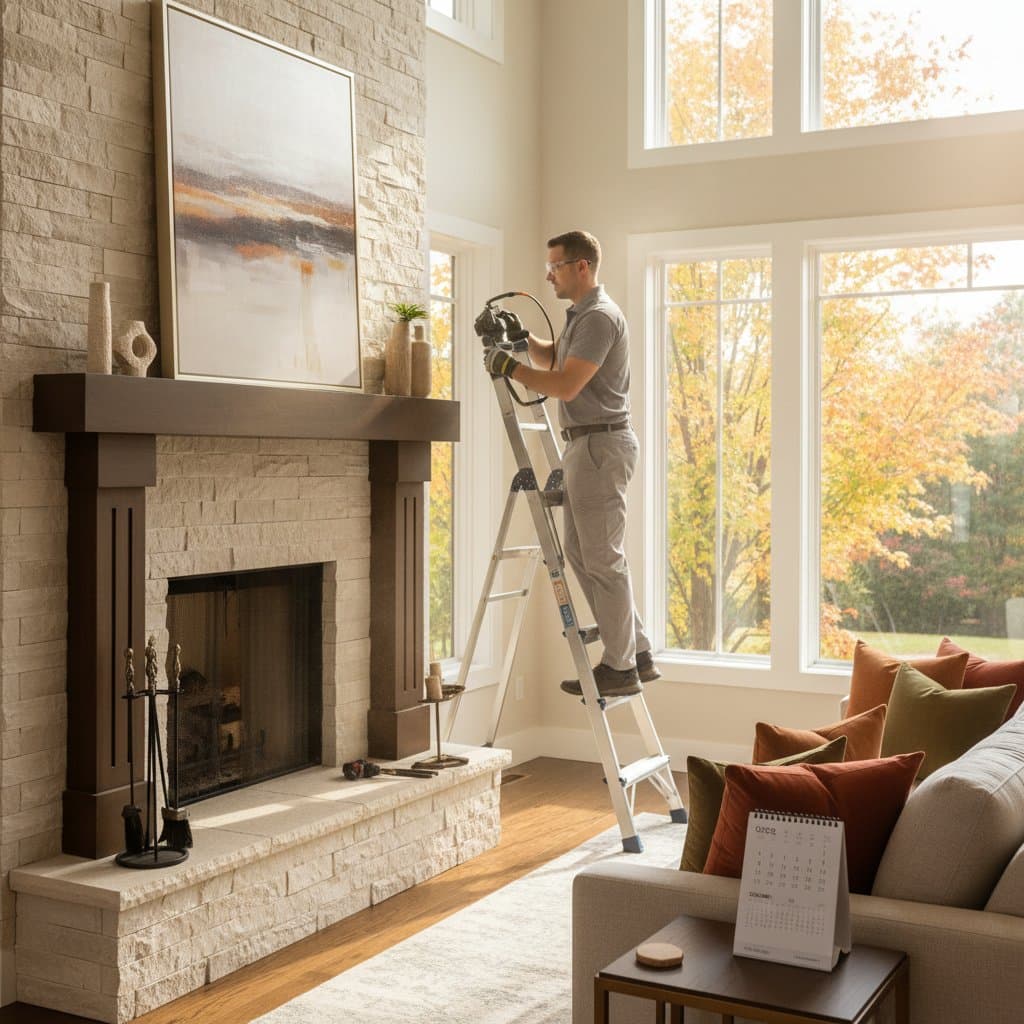
Opt for this when altering fuels, adding appliances, or following severe weather events. A camera probe reveals concealed flaws or obstructions within the flue lining.
Level 3: Thorough Dismantling Review
Apply this for extreme scenarios, including post-fire assessments or evident collapses. Partial disassembly exposes deep structural weaknesses, though it remains uncommon for standard upkeep.
Estimating Inspection Expenses
Basic evaluations prove affordable relative to reconstruction outlays. Routine sweeps typically cost as much as a family meal out, while advanced scans or fixes increment the total. Early intervention often offsets higher future expenditures by halting minor problems from escalating.
Service providers frequently package cleaning with inspections for cost efficiency. Fall promotions abound as firms ramp up for seasonal peaks. Enrollment in yearly plans yields discounted fees and expedited responses to urgent needs.
Weighing DIY Efforts Against Expert Services
Homeowners occasionally attempt self-checks with basic tools like ladders and lights, yet these yield incomplete insights. Professionals employ tailored equipment, including flexible cameras and reinforced brushes, to navigate tight passages safely. Their expertise uncovers subtle decay invisible without training.
Simple tasks, such as dislodging cap debris or scanning ground-level masonry for splits, suit DIY approaches. Deeper work demands certified handling. Formal reports from pros aid insurance claims and property transactions.
Prioritizing Safety in the Inspection Process
Preventing hazards drives the urgency of fall evaluations. Unaddressed creosote, unstable masonry, or flawed liners heighten fire and toxic gas exposure risks. Health authorities highlight carbon monoxide as a primary threat in homes using combustion-based heat sources. Intact vents direct emissions away effectively.
Inspectors equip themselves with protective masks and secure tethers for elevated work. Residents must confine children and animals inside during visits. Post-service, wait for full cooling before reigniting fires, particularly after any modifications.
Essential Tools for Interim Upkeep
Between expert appointments, basic tools enable light maintenance. Select a flue-matched brush, durable rod extensions, and an ash-compatible vacuum for surface cleanings. Protective gear, including gloves, eye shields, and respirators, remains essential when disturbing residues.
For brick chimneys, use binoculars to monitor the crown and seals from below, noting eroded joints or discoloration hinting at infiltration. Metal units require checks for bends or pitting. A fitted rain cover bars moisture entry, preserving liner condition over decades.
Indicators Requiring Prompt Professional Intervention
Routine care notwithstanding, anomalies demand swift action. Engage experts upon observing:
- Fumes or unusual smells infiltrating rooms during use
- Efflorescence on brick faces signaling water penetration
- Deteriorating masonry at foundational points
- Corrosion on hearth components or controls
- Sooty deposits trailing interior surfaces
Overlooking these cues invites broader harm, potentially compromising adjacent structures. Timely responses contain expenses and avert catastrophes.
Enduring Advantages of Seasonal Maintenance
Consistent fall routines prolong heating apparatus longevity. Research shows that diligent care trims energy bills by improving draft and burn quality. Cleaner systems also preserve air purity by minimizing indoor pollutant seepage.
Steps to Secure Your Chimney's Future
Annual fall scheduling upholds heating reliability and asset worth. It halts incremental flaws from evolving into crises and sustains optimal performance.
Initiate by reserving a qualified inspector at season's start. Request comprehensive documentation and execute suggested remedies promptly.