Benefits of Monthly HVAC Filter Changes in 2026
Maintaining clean air begins with a routine often overlooked by homeowners: regular HVAC filter replacement. This essential component, typically a pleated fabric or fiberglass barrier within the furnace or air handler, directly influences system efficiency and indoor air health. In 2026, adopting monthly filter changes establishes an optimal standard for peak performance, particularly in residences with pets, allergy sufferers, or intensive heating and cooling demands.
Importance of Consistent Filter Replacement
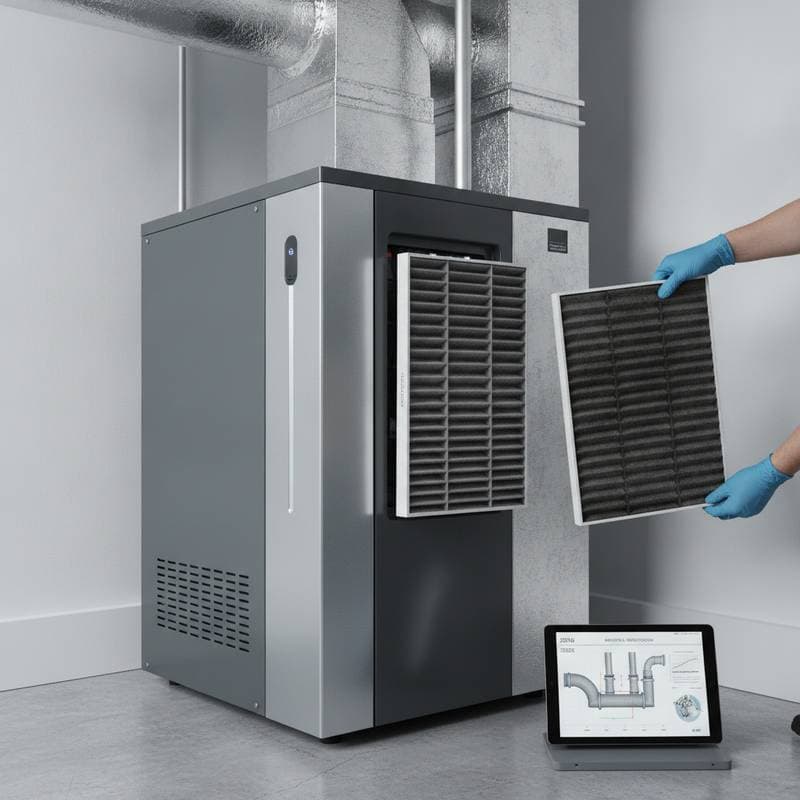
HVAC systems draw air from all areas of the home, pass it through the filter, and redistribute it. The filter gradually accumulates dust, pollen, and other particles. If not replaced, these contaminants obstruct airflow, compelling the blower motor to strain and operate inefficiently.
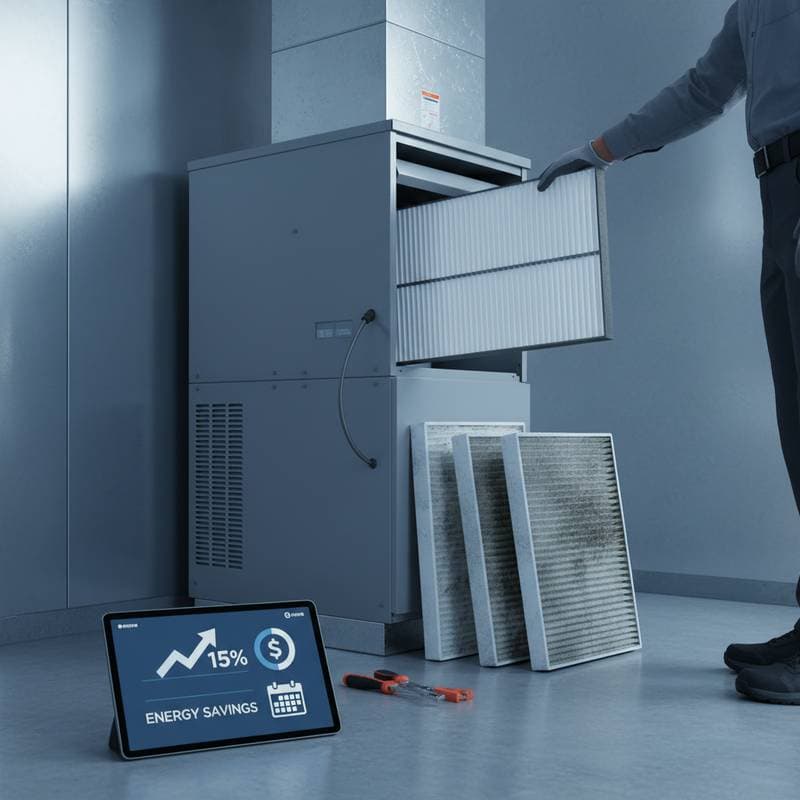
This strain leads to elevated energy consumption, uneven temperatures, and increased service needs. Data from the Air Conditioning Contractors of America indicates that a clogged filter reduces system efficiency by up to 15 percent. Monthly replacements maintain optimal operation and prolong equipment longevity.
Basics of HVAC Filter Costs
Homeowners typically allocate ten to forty dollars monthly for filters. A standard pleated filter averages twenty-five dollars nationwide. In urban areas with poorer air quality, advanced filters approach fifty dollars per unit.
Rural locations benefit from cleaner ambient air, allowing basic fiberglass filters to cost under ten dollars. Climate variations further impact expenses. Humid southern regions accelerate filter degradation through moisture and biofilm accumulation, necessitating more frequent or robust options.
Northern climates, with extended furnace operation, demand regular changes to avoid soot accumulation and ensure safe combustion. Seasonal factors, such as pollen surges or wildfire smoke, may require upgraded filters and accelerated replacement schedules.
Filter Purchasing and Service Approaches
Filters can be acquired individually or via subscription programs. Individual purchases carry higher per-unit costs, whereas subscriptions offer ten to twenty percent savings. Many HVAC providers bundle filter replacements with inspections and coil cleanings.
Basic bundles cost fifteen to thirty dollars monthly, while premium options, including emergency support, reach sixty dollars. Flat-rate models provide budgeting stability for time-constrained families. Technician-installed replacements during routine visits often follow hourly billing.
Subscription services grow in appeal by automating delivery and reminders, addressing common oversight that leads to neglected maintenance.
Filter Service Levels and Associated Costs
Basic level employs standard fiberglass filters to trap larger dust particles. Priced at ten dollars or less each, these suit temporary housing or low-allergen environments without pets.
Standard level features pleated filters with MERV ratings of 8 to 11, balancing filtration and airflow. These range from twenty to thirty dollars and serve most households effectively.
Premium level utilizes high-efficiency MERV 13 or superior filters to capture fine particles like smoke, bacteria, and allergens. Costing forty to sixty dollars, they benefit those with respiratory issues.
Specialized level incorporates activated carbon or electrostatic filters, exceeding seventy dollars. These address unique needs in custom systems or pollution-heavy settings.
Factors Affecting Filter Expenses
System dimensions determine filter size and price; larger setups demand costlier replacements. Configurations with multiple returns require several filters monthly. Pet-owning homes face elevated dander levels, often warranting advanced filtration.
Replacement time remains brief for self-managed tasks, but professional services add fifteen to forty dollars in labor. Material quality and brand reliability drive costs. Established names like Honeywell and Filtrete command a modest premium for assured performance and accurate MERV compliance.
Lesser-known brands may appear economical initially but frequently underperform in durability and efficiency.
Optional Services and Extra Fees
Technician visits for filter changes open opportunities for enhancements:
- Duct cleaning, at three hundred to five hundred dollars, eliminates filter-bypassing dust.
- Evaporator coil checks, around fifty dollars, detect early mold or corrosion signs.
- Blower motor maintenance, sixty to eighty dollars, optimizes airflow and eases system load.
- Priority scheduling adds twenty dollars during high-demand seasons.
Such additions enhance efficiency and mitigate future repair costs.
Enduring Advantages for Homeowners
Beyond air freshness, monthly filter changes regulate system pressure, curb energy demands, and minimize component wear. The U.S. Department of Energy projects up to fifteen percent energy savings with clean filters. Annual reductions prove significant for continuous central air users.
Health improvements follow suit. The Asthma and Allergy Foundation of America notes that superior air quality alleviates allergy symptoms by nearly thirty percent among vulnerable residents. Effective filters block pollen, mold, and dander from spreading throughout the home.
Steps to Establish a Monthly Filter Routine
Assess your home's needs by evaluating air quality, pet presence, and system size. Select an appropriate MERV-rated filter from a reputable supplier. Schedule replacements on the first of each month, using a calendar reminder or subscription service.
For DIY approaches, locate the filter slot, remove the old unit, and insert the new one, ensuring proper orientation. If opting for professional help, contact a certified technician quarterly for bundled services. Track changes to monitor improvements in energy bills and air comfort, adjusting as seasonal conditions evolve.