Prepare Your Home for Winter Efficiency
As autumn arrives and temperatures begin to cool, attention turns to preparing heating systems for the demands of winter. The HVAC filter plays a central role in this process, serving as the first line of defense against dust, debris, and pollutants that can hinder performance. Homeowners who prioritize this maintenance task discover improved system longevity, reduced energy consumption, and enhanced indoor comfort.
This article explores the reasons fall stands out as the optimal season for filter replacement. It covers the impact on furnace operation, selection criteria for filters, and detailed steps for implementation. Readers gain practical strategies to optimize their home environment while minimizing operational costs.
Understand the Impact of Seasonal Filter Replacement
Heating systems activate more frequently during colder months, increasing the load on filters to capture airborne particles. A clean filter ensures unrestricted airflow, which prevents strain on the blower motor and maintains even heat distribution throughout the home. Without timely replacement, accumulated debris reduces efficiency and elevates the risk of mechanical failures.
Experts emphasize that fall preparation aligns with the transition from cooling to heating modes. This timing allows technicians to address any summer-related wear before peak demand. Homeowners benefit from proactive care that avoids disruptions during the harshest weather.
Examine the Consequences of Neglected Maintenance
A clogged filter restricts airflow, compelling the furnace to work harder to achieve desired temperatures. This extra effort leads to higher energy usage, with potential increases in monthly bills by 5 to 15 percent. Over time, the added stress accelerates component degradation, such as motor burnout or heat exchanger cracks, resulting in repair expenses that far exceed the cost of routine filter changes.
Poor filtration also affects air quality, as finer particles circulate freely, aggravating respiratory issues and coating surfaces with dust. Systems may experience short cycling, where the furnace turns on and off rapidly, further diminishing efficiency. Addressing these issues through regular swaps preserves both financial resources and household health.
Select Filters Based on System and Household Needs
Filters vary in construction and performance, each suited to specific scenarios. Begin by consulting the furnace manual to confirm compatible sizes and minimum efficiency ratings. Consider factors like pet ownership, occupant allergies, and local air quality when making choices.
-
Fiberglass Filters: These basic options feature a flat, woven mesh that captures larger debris. They suit budget-conscious households with minimal air quality concerns but require monthly replacements due to limited capacity.
-
Pleated Filters: Constructed from folded synthetic materials, they offer greater surface area for trapping finer particles like pollen and mold spores. Rated at MERV 8 to 11, they balance filtration effectiveness with airflow preservation, ideal for most residential setups.
-
Electrostatic Filters: Designed with charged fibers, they enhance particle attraction without high resistance. These prove valuable in homes with furry companions or sensitive individuals, capturing up to 90 percent of airborne irritants.
-
HEPA Filters: Engineered for hospital-grade purification, they remove 99.97 percent of particles as small as 0.3 microns. Reserve them for specialized systems, as they demand powerful blowers to avoid restricting circulation.
Test different types seasonally to identify the best fit, monitoring energy usage and air clarity for adjustments.
Time Your Maintenance for Peak Performance
Align filter changes with seasonal shifts to maximize benefits. In fall, replace the unit after the last cooling cycle but before the first sustained heating period, typically mid-September to early October in temperate climates. This schedule clears summer accumulations and readies the system for winter operation.
Incorporate a full inspection during this window. Check for loose connections, clean accessible coils, and vacuum vents to remove buildup. Professional services can calibrate thermostats and test safety features, ensuring compliance with operational standards.
A seasoned technician notes, "Replace your filter just before daily furnace reliance begins. This practice maintains cleanliness and sidesteps initial cold snaps' performance hurdles." Following such guidance reduces emergency calls and supports consistent warmth.
Implement a Year-Round Maintenance Routine
Establish a calendar reminder for filter checks every 30 to 90 days, depending on usage and filter type. During replacement, note the date and condition of the old unit to refine future intervals. Store spares in a dry area to prevent damage before installation.
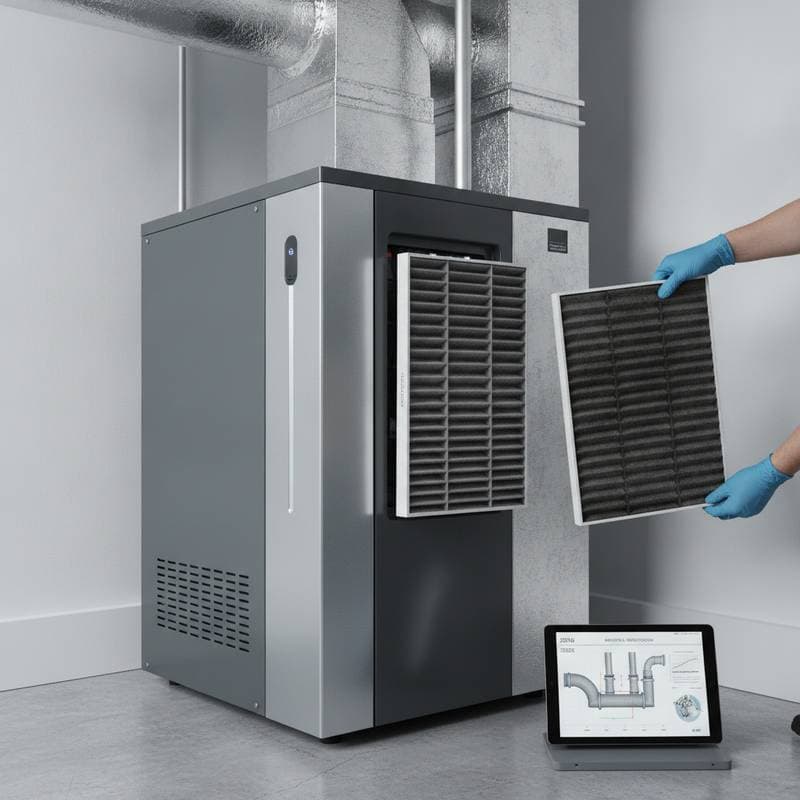
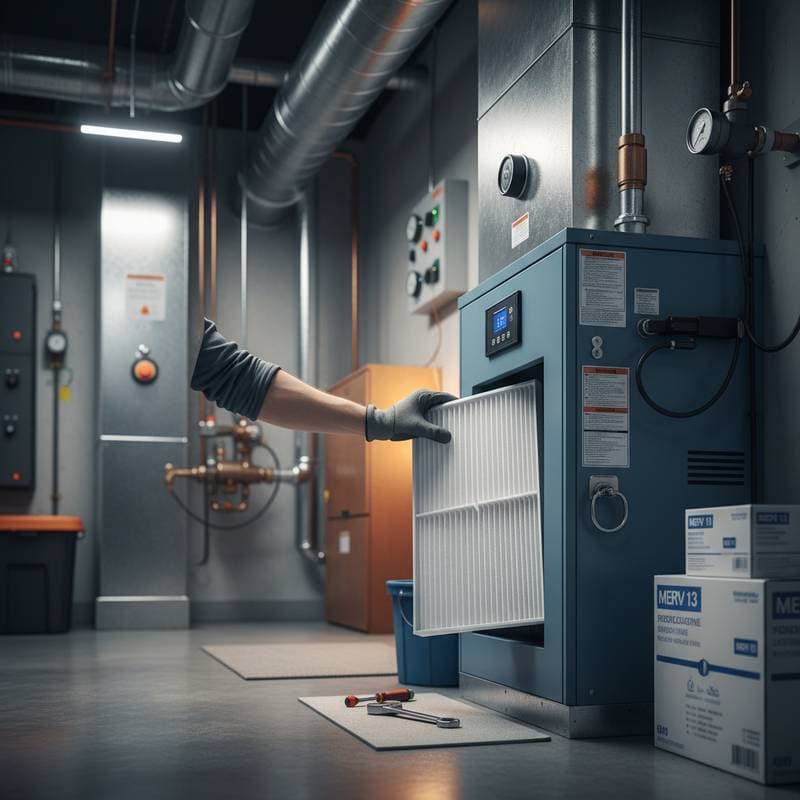
- Turn off the power to the HVAC system at the breaker.
- Locate the filter slot, usually near the return air duct or furnace cabinet.
- Remove the old filter, noting the airflow direction arrow.
- Insert the new filter, ensuring proper orientation.
- Restore power and run the system briefly to verify smooth operation.
These steps, performed diligently, safeguard investments and promote sustainability.
Realize Long-Term Savings and Comfort
Consistent filter maintenance yields compounding advantages, from lowered utility statements to prolonged equipment life spanning 15 to 20 years. Cleaner air fosters a healthier living space, reducing allergy symptoms and enhancing overall well-being. Homeowners who adopt these habits experience fewer surprises and greater control over their indoor climate.
By integrating fall filter changes into annual routines, individuals secure efficient, reliable heating without unnecessary expenditures. This approach not only cuts costs but also contributes to environmental conservation through optimized energy use. Commit to these practices for a warmer, more economical winter ahead.