Essential Fall Chimney Preparation Guide
As temperatures fall and the appeal of a crackling fire grows, ensure your chimney stands ready for safe, effective use. A poorly maintained chimney risks smoke issues, reduced heating efficiency, and hazardous fires. Fall provides the ideal window to inspect, clean, and safeguard your chimney against winter demands. Follow this structured guide to sidestep expensive issues and foster a secure, comfortable home throughout the cold months.
This resource equips homeowners with a thorough fall chimney preparation process. It details inspections, preparation methods, and professional intervention points. Applicable to wood-burning fireplaces, gas inserts, or pellet stoves, diligent maintenance safeguards your property, enhances energy use, and eliminates seasonal concerns.
Comprehensive Fall Chimney Preparation Steps
1. Arrange a Certified Inspection
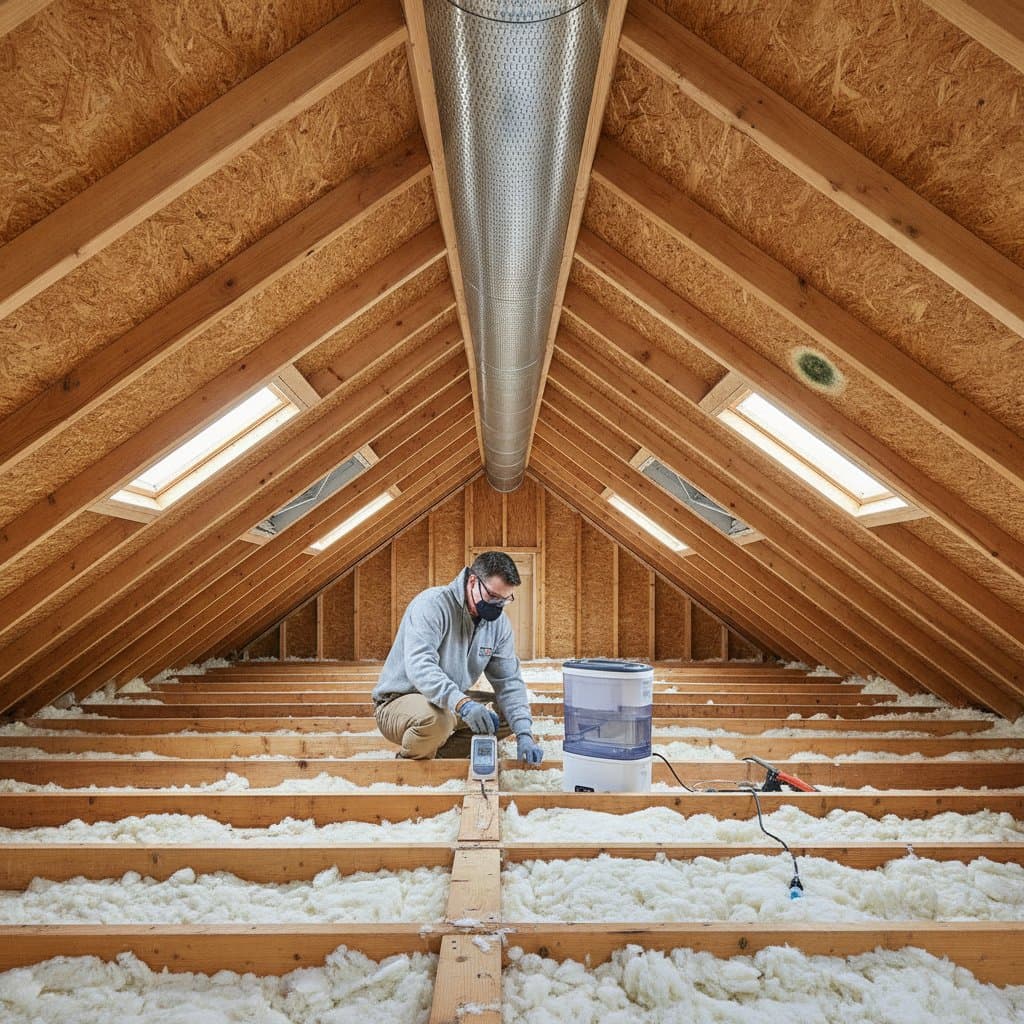
Prioritize a professional evaluation by a qualified technician prior to heating season onset. The expert will scrutinize the flue for fractures, rust, or blockages; assess the liner for deterioration; verify damper operation and airtightness; and examine the firebox, smoke chamber, and cap for degradation.
Such assessments uncover subtle problems like unstable bricks, eroded mortar, or water penetration, often invisible from indoors. Schedule this service in early fall to address findings promptly.
2. Remove Creosote and Soot Deposits
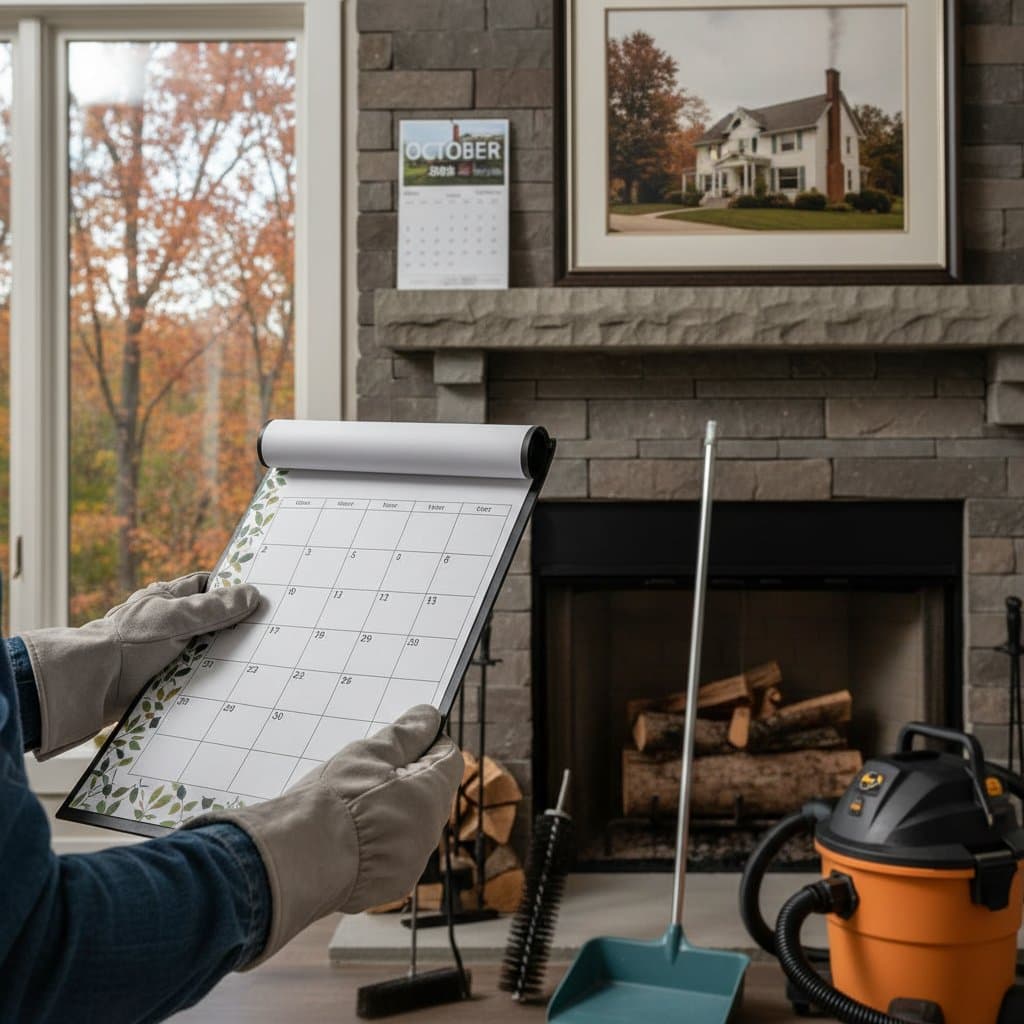
Creosote, a tarry and flammable byproduct of wood smoke condensation, accumulates in the flue and poses ignition risks even in minimal layers. Engage a chimney sweep professional who employs brushes and vacuums to extract buildup securely.
For heavy fireplace users, clean after each full season; moderate users suffice with yearly service. Refrain from personal cleaning without proper equipment and expertise, as it may dislodge debris further into the system.
3. Verify Chimney Cap and Spark Arrestor Integrity
The cap shields the flue from precipitation, wildlife, and falling matter. Damage or absence permits water entry, fostering corrosion, smells, and structural harm. The spark arrestor, a mesh barrier, contains embers to avert external fires; confirm its firmness, absence of rust, and correct installation.
Inspect visually from the roof or hire assistance; replace components exhibiting wear to maintain protection.
4. Assess Flashing and Masonry Condition
Flashing at the chimney-roof intersection prevents leaks; cracks or shifts allow water to infiltrate ceilings and insulation. Probe for separations and apply roofing cement to seal minor gaps.
Examine bricks and mortar for spalling, looseness, or efflorescence stains signaling dampness. Use sealant for small fissures; professional repointing becomes necessary for broader deterioration.
5. Evaluate Damper Functionality and Draft
The damper regulates airflow; it must swing open smoothly and seal shut without binding. In closed position, it blocks heat escape; open, it facilitates smoke ascent. Test with a small fire: room smoke indicates obstructions or weak draft, necessitating cleaning or tweaks.
Lubricate hinges if stiff, but consult experts for persistent issues.
6. Inspect Firebox and Hearth Area
Scan the firebox for fractured refractory, compromised joints, or corroded elements, which compromise heat containment and stability. Clear accumulated ash before initial firing. Maintain the hearth clear, with non-combustible surroundings extending several feet.
Address repairs swiftly to uphold safety standards.
7. Clear Animal Nests and Debris
Wildlife frequently occupies flues in mild weather, creating airflow barriers and fire perils with nests. Use a light to peer upward or rely on professionals to confirm clearance.
Install screens post-cleaning to deter future intrusions.
8. Review Gas and Pellet Appliance Systems
Gas or pellet units demand similar vigilance: inspect burners, igniters, and vents for residue or faults. Discoloration hints at combustion inefficiencies. Shut off fuel sources before checks.
Annual servicing ensures optimal operation and safety.
9. Confirm Detector Readiness
Validate smoke and carbon monoxide alarms through testing and battery replacement. These sentinels alert to venting failures or emergencies.
Position units near sleeping areas and the fireplace for comprehensive coverage.
10. Implement Moisture Defenses
Affix a cap if absent, patch cracks, and verify crown slope for drainage. Water erodes masonry via freeze-thaw cycles, widening fissures.
Consider waterproofing treatments for enhanced longevity in wet climates.
Key Chimney Maintenance Insights
Recommended Cleaning Frequency
Annual cleaning suits most homes, scheduled pre-winter. Intensive users may require more frequent interventions based on usage patterns.
Indicators of Urgent Chimney Needs
Odors, indoor smoke, apparent cracks, or hearth soot flakes signal accumulation or damage. Cease use and seek expert evaluation immediately.
Optimal Wood Choices
Select dry, seasoned hardwoods such as oak or maple for reduced creosote and better combustion. Avoid green or resinous varieties.
Creosote Identification
Recognize it as dark, sticky glaze or powdery soot lining the flue. Professional extraction follows any detection.
Gas Fireplace Maintenance
Soot and corrosion demand periodic cleaning to sustain airflow and efficiency, despite cleaner burns.
Damper Performance Test
Ignite paper; upward smoke confirms good draft. Lingering indicates blockages requiring attention.
Response to Indoor Smoke Odors
Halt fireplace operation, ventilate, and summon a specialist for blockage diagnosis.
Waterproofing Benefits
It shields against moisture damage in rainy or snowy regions, preserving masonry strength.
Chimney Cap Necessity
Essential for barring elements and sparks, promoting overall system health.
Liner Crack Solutions
Seal minor issues with liners; replace severely compromised ones for safety.
Creosote Minimization Strategies
Burn hot with dry wood and ample air to limit residue formation.
Post-Fire Damper Protocol
Secure closure after cooling to conserve indoor warmth.
Maintenance for Infrequent Use
Yearly inspections prevent undetected decay, nests, or leaks in dormant chimneys.
Inspection Duration
Expect one hour for routine checks, varying by access and complexity.
Pellet Stove Care
Regular ash removal from vents maintains performance akin to other systems.
Steps to Facilitate Your Chimney Service
Ahead of professional visits or self-assessments:
- Clear fireplace surroundings for unobstructed access.
- Relocate ornaments, implements, and floor coverings.
- Shield adjacent furnishings from potential residue.
- Restrict pet and child proximity during procedures.
- Discuss results with the technician and note follow-up advice.
Sustaining Chimney Health Through Winter
Regular upkeep ensures reliable warmth, security, and efficiency. Monitor for emerging wear, dampness, or scents during use. Employ quality fuel, declutter the hearth, and optimize draft for clean, effective burns. Proactive fall preparations yield safe, inviting fires without underlying risks.