Introduction to Fall HVAC Maintenance
As cooler weather approaches, your heating, ventilation, and air conditioning system shifts into high gear to keep your home comfortable. A clean HVAC filter plays a crucial role in this transition by allowing unrestricted airflow, which enhances efficiency and can reduce energy consumption by up to 15 percent. Neglecting this simple task leads to higher utility bills, poorer air quality, and potential system strain.
Homeowners often overlook filter replacement until problems arise, but starting the season with a fresh filter prevents these issues. This article explores replacement timelines, warning signs, filter options, and practical steps to maintain your system effectively. By following these guidelines, you ensure a warmer home with lower costs.
Replacement Schedules for Common Filter Types
HVAC filters vary in design and performance, which directly affects how often you need to replace them. Factors such as daily system use, pet ownership, or high dust levels may require more frequent changes. Begin by assessing your current filter type and adjust the schedule accordingly.
- Basic fiberglass filters: Replace every 30 days. These budget options capture only larger particles like pet hair and coarse dust, making them suitable for basic protection in low-allergen environments.
- Pleated filters: Replace every 60 to 90 days. Their folded design increases surface area to trap finer particles such as pollen and mold spores, offering improved air filtration for everyday homes.
- High-efficiency or HEPA filters: Replace every 120 days or per manufacturer guidelines. These advanced filters excel at removing microscopic allergens, ideal for allergy sufferers or those seeking hospital-grade air purity.
- Reusable electrostatic filters: Clean monthly and replace every two to three years with proper care. They rely on static charge to attract particles, providing long-term value for pet owners or dusty households.
At the onset of fall, inspect your filter regardless of the calendar. This step ensures smooth airflow as your heating system activates, avoiding early-season inefficiencies.
Key Indicators That Your Filter Requires Immediate Replacement
Scheduled replacements provide a solid foundation, but real-world conditions can accelerate clogging. Monitor your system closely during the heating season to catch issues early. Addressing these signs promptly maintains performance and prevents escalation.
- Visible accumulation of dirt and dust. A filter that appears discolored or laden with debris signals reduced airflow, forcing the system to labor unnecessarily.
- Extended heating cycles. If rooms take longer to warm up, a clogged filter may be restricting air distribution, leading to uneven comfort.
- Inconsistent temperatures across rooms. Blocked filters disrupt balanced airflow, resulting in hot spots and chilly areas throughout your home.
- Rising dust levels near vents. Instead of filtering particles, a dirty filter recirculates them, worsening indoor allergens and cleaning demands.
- Unexpected spikes in energy bills. Restricted airflow makes the blower motor work overtime, consuming more electricity without effective heating.
Perform a monthly visual check during fall months. This habit identifies problems before they contribute to larger mechanical failures or repair expenses.
Selecting the Optimal Filter for Your Household
The ideal HVAC filter balances filtration power, system compatibility, and budget constraints. Start by consulting your HVAC unit's manual for size and airflow specifications. Higher Minimum Efficiency Reporting Value ratings indicate better particle capture, but excessive resistance can strain older systems.
Fiberglass Filters
These entry-level filters consist of layered fiberglass material that primarily blocks large debris. They cost the least upfront, often under five dollars each, but demand monthly swaps due to limited capacity. Opt for fiberglass in homes with minimal allergy risks or as a temporary solution for aging equipment where high resistance poses a concern.
Pleated Filters
Constructed from pleated polyester or cotton, these filters expand the capture area to snag smaller contaminants like dust mites and smoke. Select a MERV rating of 8 to 13 for residential applications, as it filters effectively without impeding airflow. Pleated options suit most families, delivering noticeable improvements in air clarity and system longevity.
Electrostatic Filters
This type leverages static electricity to draw in particles ranging from dust to odors. Disposable versions mimic pleated performance, while washable models endure repeated cleanings with water and mild soap. Choose electrostatic filters for homes with smokers, multiple pets, or high-traffic areas, as they handle odors and fine particulates with ease.
HEPA Filters
HEPA filters achieve near-total removal of particles down to 0.3 microns, capturing 99.97 percent of allergens and pollutants. They demand compatible HVAC systems to manage their airflow resistance, often requiring professional installation. Reserve HEPA for severe allergy cases or environments prioritizing utmost air purity, such as those with young children or immunocompromised residents.
Budgeting for Filter Purchases and Long-Term Savings
Filter expenses differ significantly by material and efficiency level, influencing your overall maintenance strategy. Factor in replacement frequency alongside initial cost to calculate true value. Investing wisely yields savings on energy and repairs over time.
- Fiberglass filters: Priced from two to five dollars, they minimize upfront spending but accumulate costs through constant replacements.
- Pleated filters: Expect five to twenty dollars based on MERV level, offering mid-range affordability with quarterly changes.
- Electrostatic washable filters: Initial outlay of twenty to fifty dollars pays off over years, as monthly rinsing extends usability.
- HEPA filters: Ranging from thirty to one hundred dollars, they justify the premium through superior health benefits and reduced medical needs.
For typical households, pleated filters with moderate MERV ratings provide optimal return. They filter prevalent pollutants without overtaxing the system, and regular use amplifies energy savings beyond the 15 percent benchmark.
Step-by-Step Guide to DIY Filter Replacement
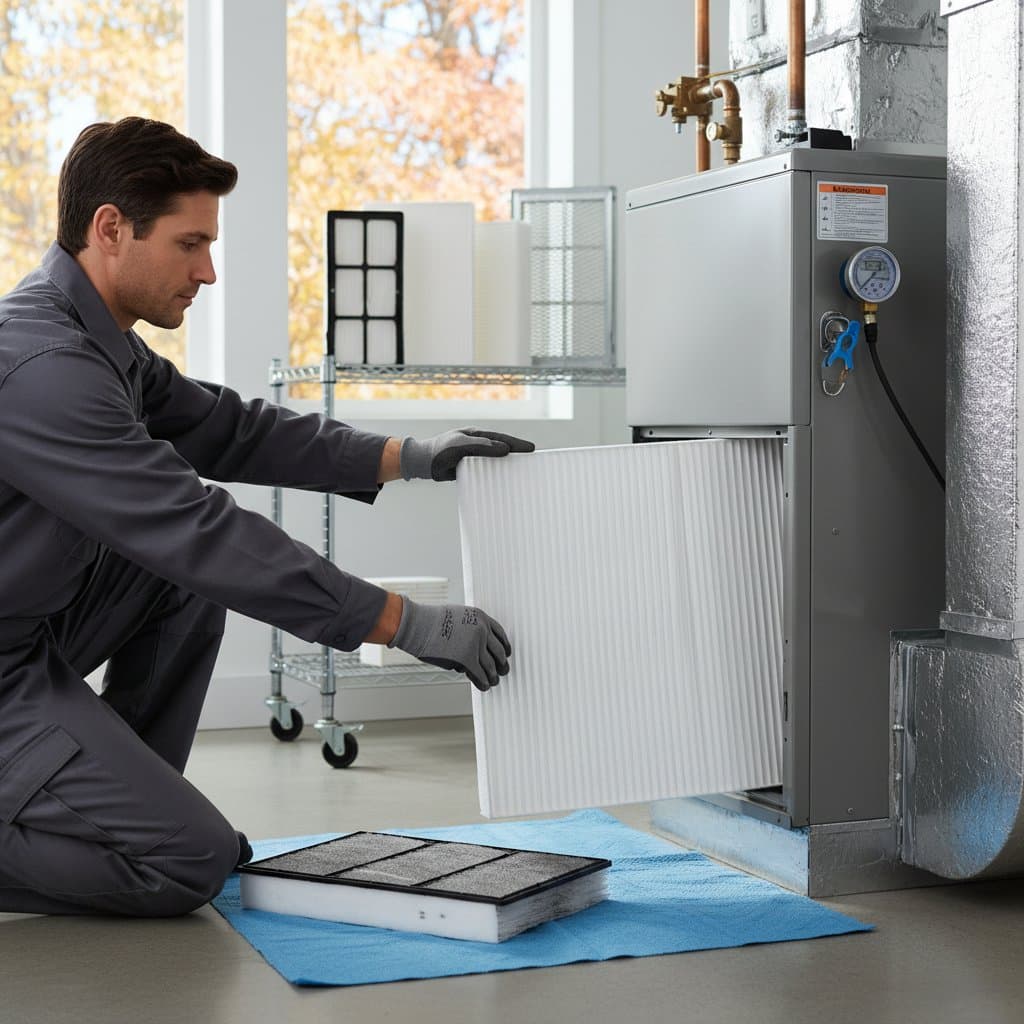
Most filter changes qualify as straightforward homeowner tasks, requiring minimal effort and no advanced skills. Gather the correct size replacement beforehand to streamline the process. Completing this in under ten minutes keeps your system primed for fall demands.
- Power down the HVAC unit. Switch off at the thermostat and breaker to halt air circulation and minimize dust exposure.
- Find the filter slot. Check the return air grille, furnace cabinet, or blower housing, following your model's access instructions.
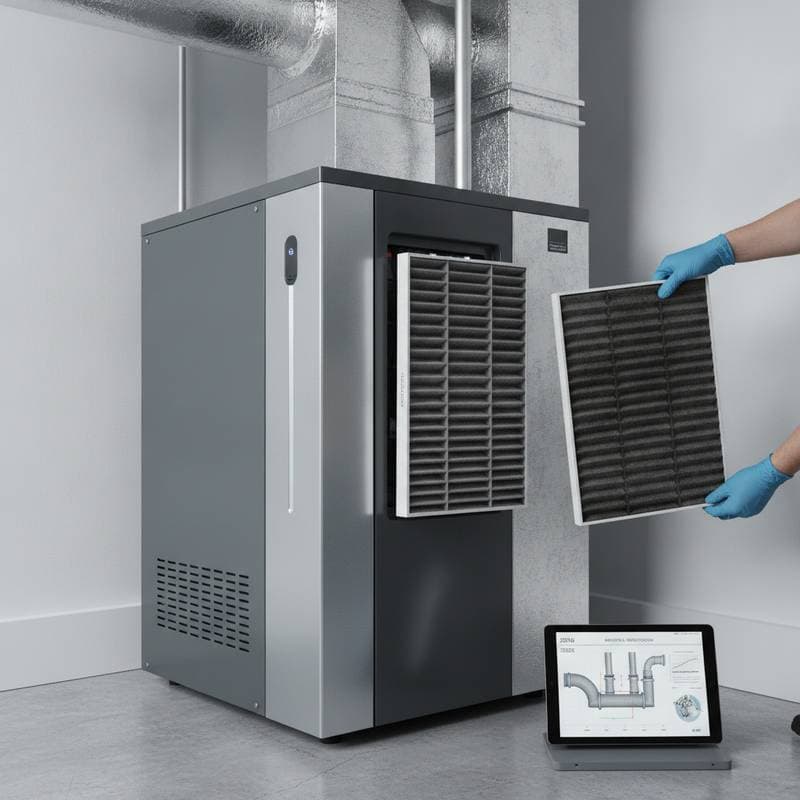
- Extract the used filter. Pull it out gently, holding it away from your face to contain loose particles.
- Verify dimensions. Note the length, width, and thickness printed on the frame for precise matching.
- Position the new filter. Align the directional arrows with airflow toward the blower, ensuring a snug fit.
- Close up and reactivate. Secure the compartment, restore power, and test for steady vent output.
Record the date on the filter frame or set a calendar alert. This practice reinforces consistent upkeep and tracks performance trends.
Situations Requiring Professional HVAC Assistance
Filter replacement resolves many minor issues, but some symptoms persist due to underlying complications. Recognize when expert intervention becomes essential to safeguard your investment. Delaying professional help risks amplified damage and discomfort.
Contact a technician if the system exhibits ongoing difficulties post-replacement, such as persistent uneven heating or constant fan operation. Strange sounds, like rattling or whining, or foul smells during runtime may indicate coil dirt or duct problems. Rapid re-clogging within weeks suggests excessive dust sources or ventilation flaws needing diagnosis.
Experts perform comprehensive inspections, clearing blockages and sealing leaks to restore full efficiency. Early professional tune-ups during fall often uncover issues at lower cost than emergency winter calls.
Comprehensive Fall HVAC Preparation Checklist
Beyond filters, seasonal checks prepare your system for reliable operation. Dedicate an afternoon to these tasks for comprehensive readiness. This routine enhances efficiency and extends equipment life.
- Examine and swap filters according to type and condition.
- Vacuum dust from supply and return vents to maintain open pathways.
- Calibrate thermostat accuracy and install fresh batteries.
- Clear debris, such as leaves, from the outdoor condenser unit.
- Arrange a certified tune-up to test components and refrigerant levels.
Integrating these steps with filter care creates a robust defense against seasonal challenges.
Realizing Lasting Benefits from Consistent Filter Care
Embracing regular filter maintenance transforms routine upkeep into a strategic advantage for your home. Cleaner air reduces respiratory irritants, while efficient airflow trims energy demands and prolongs HVAC durability. Homeowners who prioritize fall checks report fewer breakdowns and steadier comfort levels.
Tailor your filter choice to specific needs, from basic dust control to advanced allergen defense. The discipline of timely replacements compounds into substantial savings and peace of mind. Ultimately, this practice fosters a healthier, more efficient living space year-round.