Summer AC Tune-Up: Optimal Timing and DIY Checklist
As temperatures rise, an underperforming air conditioner transforms a comfortable home into an uncomfortable space. Homeowners often delay testing their cooling systems until the initial heatwave arrives, resulting in diminished airflow, unusual sounds, or unexpectedly high utility statements. A proactive summer AC tune-up eliminates these issues and maintains optimal system operation throughout the warmer months.
This resource details the recommended timing for servicing, tasks suitable for independent completion, and indicators that necessitate expert assistance. Through straightforward preparation, homeowners achieve a cooler, more efficient residence without ongoing concerns.
Optimal Timing for a Summer Tune-Up
Homeowners frequently question the appropriate moment to arrange AC servicing. The most effective period occurs prior to the onset of sustained warm conditions, when the unit operates at reduced capacity. This proactive approach allows sufficient opportunity to address any necessary repairs or component substitutions before high-demand periods.
In typical regions, schedule the tune-up just before anticipated regular cooling requirements. Delaying until the arrival of extreme heat leads to extended wait times, as heating, ventilation, and air conditioning professionals experience peak workloads during those intervals.
Systems such as heat pumps, which provide both cooling and heating functions, require a seasonal evaluation to sustain consistent performance across operational modes. Early intervention identifies potential issues that could affect efficiency in either capacity, ensuring reliable year-round climate control.
Essential DIY AC Tune-Up Checklist
Basic maintenance requires no specialized expertise. Equipped with common household items, individuals complete key procedures that significantly enhance overall system functionality.
1. Replace or Clean the Air Filter
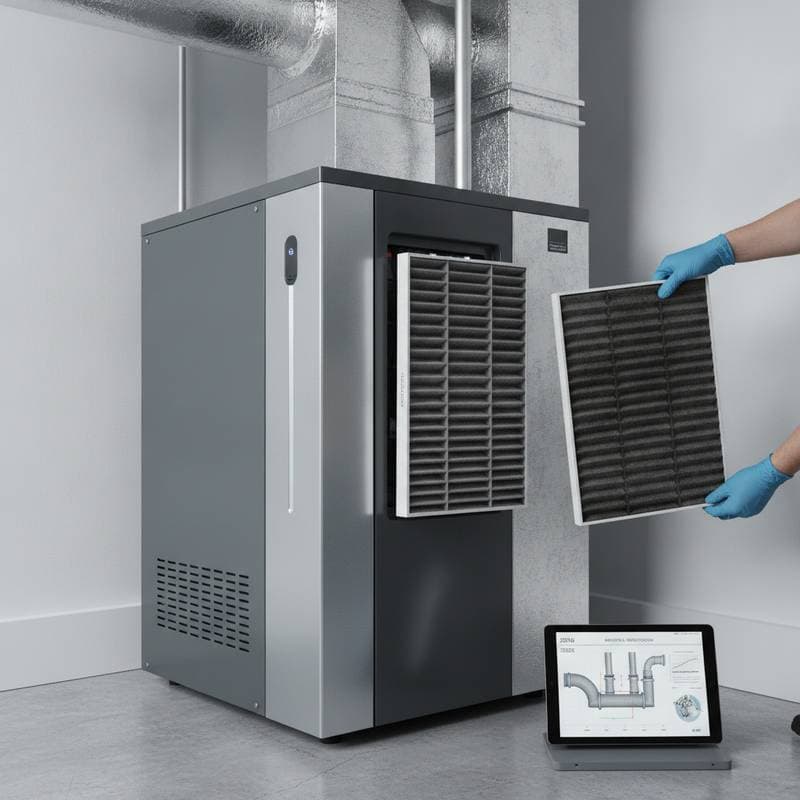
A restricted air filter compels the blower motor to exert additional effort while limiting circulation. For disposable varieties, perform replacements every 60 to 90 days; increase frequency in households with pets or individuals sensitive to allergens.
- Filter dimensions: Select sizes matching the current unit, commonly 16x20 inches or 20x25 inches.
- MERV rating: Opt for values between 8 and 12 to balance particle capture with adequate airflow.
- Maintenance reminder: Use a calendar entry or digital alert to track replacement intervals consistently.
Regular filter attention prevents strain on internal components and maintains air quality, contributing to the 15 percent energy savings associated with routine tune-ups.
2. Clean the Outdoor Condenser Unit
The exterior condenser expels absorbed heat from indoor spaces. Accumulation of vegetation, foliage, or soil impedes circulation, diminishing operational effectiveness.
Procedure:
- Disconnect electrical power via the switch located adjacent to the unit.
- Clear surface debris from the upper and lateral areas using protective gloves or a soft brush.
- Direct a gentle water stream from a hose inward through the fins to dislodge embedded particles.
- Employ a fin comb to realign any deformed sections carefully.
Preserve a minimum clearance of 24 inches surrounding the unit to facilitate unobstructed ventilation. This step alone can restore up to 10 percent of lost efficiency in obstructed systems.
3. Verify Thermostat Functionality
Confirm the thermostat delivers precise and prompt responses. Consider transitioning to programmable or intelligent models for enhanced regulation and reduced consumption.
- Recommended settings: Aim for 74 to 78 degrees Fahrenheit during active cooling periods to balance comfort with expenditure.
- Power source maintenance: Exchange batteries yearly in applicable devices.
- Accuracy assessment: Cross-reference the display with an independent indoor thermometer.
A well-calibrated thermostat optimizes runtime, preventing unnecessary energy use and supporting long-term cost reductions.
4. Clear the Condensate Drain Line
This conduit expels condensed moisture from dehumidification processes. Obstructions lead to interior leaks or microbial proliferation.
Clearing method:
- Identify the drainage tube proximate to the indoor evaporator.
- Connect a wet-dry vacuum to the termination point and apply suction for approximately 30 seconds.
- Introduce one cup of white vinegar to flush residual matter and inhibit organic growth.
Routine clearing safeguards against structural damage and excessive indoor humidity, preserving both equipment and living spaces.
5. Evaluate Vents and Airflow Distribution
Conduct a room-by-room inspection to identify obstructed or sealed registers. Relocate furnishings, floor coverings, or draperies that hinder passage.
Uniform distribution promotes even temperature control across areas while alleviating pressure on the circulation fan. Addressing imbalances early enhances comfort and system longevity.
Pitfalls to Sidestep in AC Maintenance
Even knowledgeable individuals encounter oversights that compromise performance. Recognize these frequent errors to maximize benefits.
- Neglecting filter replacements: This remains the primary contributor to inadequate cooling and evaporator icing.
- Enclosing the condenser unit: Free circulation proves essential at all times; limit coverings to lightweight tops during temperate seasons solely for debris protection.
- Selecting excessively restrictive filters for legacy systems: High-MERV options may starve older blowers of necessary volume.
- Overlooking auditory anomalies: Persistent rattles, high-pitched whines, or abrasive tones indicate component deterioration.
- Obstructing return air pathways: Maintain no less than 12 inches of open space around these critical intakes.
Vigilance against these issues fosters reliable operation and averts premature failures.
Recommended Tools for Routine Maintenance
Assemble the following items to execute seasonal tasks efficiently:
- Assorted screwdrivers for accessing enclosures.
- Wet-dry vacuum for drain line extraction.
- Hose equipped with a variable spray pattern.
- Specialized comb for fin adjustment.
- Illuminated flashlight to examine internal elements.
- Stock of compatible replacement filters.
- Protective gloves and eyewear.
These essentials enable completion of primary procedures within one hour, empowering homeowners to manage upkeep independently.
Resolving Typical Cooling Challenges
Post-maintenance, occasional glitches may arise. Perform these preliminary verifications prior to professional consultation:
| Issue | Initial Verification | Recommended Action |
|---|---|---|
| Reduced airflow | Examine filter condition and vent accessibility | Install new filter; eliminate barriers |
| Emission of uncooled air | Review thermostat configuration or refrigerant levels | Adjust settings; engage specialist for fluid assessment |
| Accumulation of moisture indoors | Inspect drain conduit for clogs | Vacuum and vinegar rinse the line |
| Abnormal sounds | Check for unsecured components or foreign objects | Secure fastenings; extract impediments |
| Frequent on-off cycles | Assess coil cleanliness or unit sizing | Perform surface cleaning; summon expert if persistent |
Record observations meticulously. Detailed accounts accelerate professional diagnostics and resolutions.
Evaluating Replacement Over Repeated Repairs
Frequent interventions or escalating utility expenses signal the potential merits of a full system exchange. Contemporary models achieve Seasonal Energy Efficiency Ratio values of 16 or greater, outperforming predecessors substantially.
Prioritize units featuring variable-speed mechanisms and integrated digital interfaces for superior adaptability. Installation expenses range from $4,000 to $8,000 based on required tonnage and features.
Although initial outlays appear significant, annual savings often exceed several hundred dollars through diminished consumption and fewer service calls. Consult local incentives for energy-efficient upgrades to offset costs further.
Achieve Year-Round Comfort and Savings
Implementing a summer AC tune-up positions homeowners for seamless seasonal transitions. These measures not only curtail energy expenditures by 15 percent but also extend equipment durability, minimizing disruptions. Initiate the process today to secure a refreshing, economical environment as warmth intensifies.