Introduction to AI Leak Detectors
Water damage ranks among the most disruptive and expensive issues homeowners face, often resulting from undetected leaks in plumbing systems. By 2026, AI leak detectors emerge as essential tools, leveraging advanced sensors and machine learning to monitor water usage patterns continuously. These devices provide early warnings, automate shutoffs, and minimize repair costs that can exceed thousands of dollars per incident.
This guide examines the mechanics of AI leak detectors, weighs DIY against professional installation options, and addresses key homeowner concerns. Readers gain practical insights to integrate these technologies effectively, ensuring robust protection for properties of all sizes.
DIY Installation Guide
Homeowners familiar with smartphone applications and simple tools can manage the setup of most DIY AI leak sensors. Position these units on floors or adjacent to leak-prone fixtures for optimal performance.
Tools Required
- Screwdriver or adhesive mounting hardware
- Smartphone or tablet for app configuration
- Stable Wi-Fi connection
Potential Risks and Safety Measures
DIY processes involve low safety hazards, yet placement demands caution. Steer clear of sensors near electrical outlets or zones susceptible to full submersion to prevent malfunctions or hazards.
Professional Installation Overview
Advantages
- Precise sensor positioning to achieve broad coverage
- Seamless linkage with automated water shutoff mechanisms
- Fine-tuned calibration for dependable leak identification
- Extended durability backed by comprehensive warranties
Disadvantages
- Elevated initial expenses
- Necessity for appointment scheduling and on-site labor
Installation Time Estimates
A DIY configuration typically requires one to two hours for multiple sensors. In contrast, professional services may span half a day, delivering a thoroughly optimized setup from the outset.
Many homeowners opt for a hybrid strategy. Begin with DIY placements in high-risk spots such as bathrooms and laundry areas, then transition to professional enhancements as needs evolve.
Frequently Asked Questions on AI Leak Detectors
Industry specialists address prevalent inquiries to clarify system capabilities and usage.
What Functions Does an AI Leak Detector Perform?
These devices track water flow, pressure levels, and humidity via integrated sensors. Upon detecting anomalies indicative of leaks, they transmit notifications to mobile devices or smart home interfaces.
In What Ways Does AI Enhance Traditional Leak Detection?
AI systems adapt to routine household water behaviors, differentiating extended showers from actual pipe failures. This capability curtails false positives and elevates detection precision.
Optimal Sensor Placement Locations
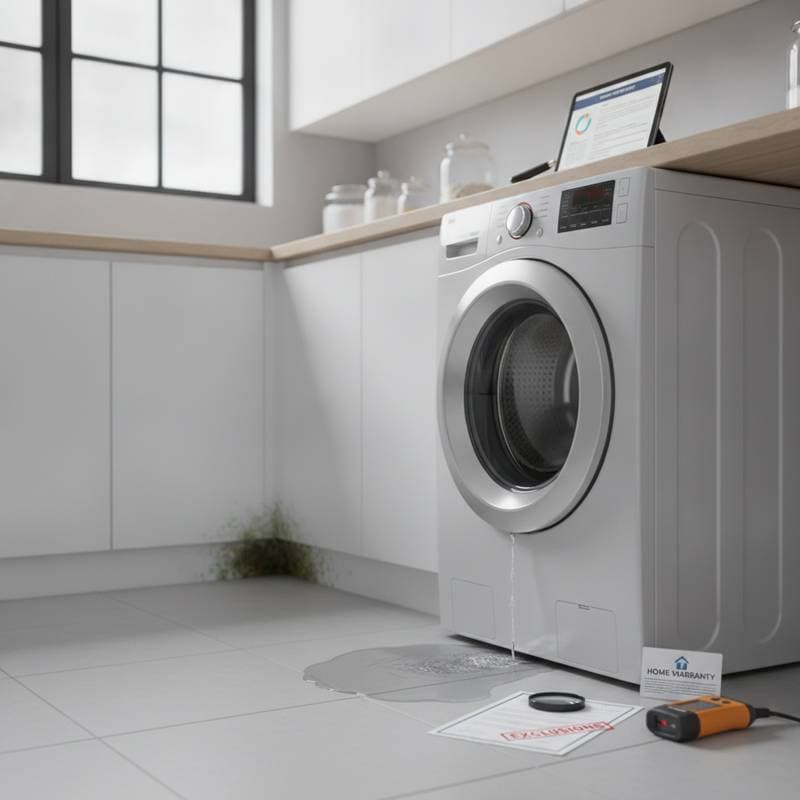
Position units in vulnerable sites including beneath sinks, adjacent to toilets, near water heaters, dishwashers, and washing machines. Basements and crawl spaces warrant additional monitoring to mitigate hidden threats.
Do AI Leak Detectors Enable Automatic Water Shutoff?
Advanced configurations pair with intelligent valves that halt the primary water line upon leak verification. Such automation averts flooding scenarios, particularly during absences from the property.
Is Wi-Fi Essential for Operation?
Wi-Fi supports instantaneous alerts for the majority of systems, with alternatives like cellular options or on-site alarms available. Reliable network access facilitates prompt responses and remote data processing.
Are the Sensors Resistant to Water Exposure?
Sensors endure moisture and incidental splashes by design, though complete immersion remains inadvisable. Adhere to manufacturer directives for secure positioning.
Battery Duration Expectations
Operational life ranges from six months to multiple years, influenced by model and activity levels. Applications notify users of diminishing power through integrated alerts.
Subscription Requirements for Monitoring
Fundamental alert features operate without fees. Enhanced options, including detailed analytics, historical records, and expert oversight, may incur additional charges.
Compatibility with Existing Smart Home Setups
Prominent AI detectors synchronize with major platforms, enabling voice commands, automated sequences, and unified notifications across devices.
Recommended Testing Frequency
Conduct checks every few months by introducing a minor water spill near sensors. Verify that notifications arrive at designated phones or control panels.
Essential Maintenance Procedures
Routine tasks encompass battery swaps, periodic testing, and sensor cleaning. Maintain proper alignment to sustain effectiveness with minimal effort.
Detection of Concealed Slow Leaks
Certain models identify humidity fluctuations or pressure variances signaling internal leaks. Inline professional variants provide superior insight for wall-embedded issues.
Permit Necessities for Setup
Sensor deployments seldom demand approvals, whereas main-line shutoff integrations could require municipal clearance.
Suitability for Rental Properties
Wireless, portable models suit tenants perfectly, affixing temporarily to surfaces without structural alterations and relocating easily.
Indicators of Inferior Leak Detector Products
Eschew units exhibiting subpar application feedback, inconsistent connections, or ambiguous guarantees. Prioritize offerings with immediate alerts and validated performance metrics.
Step-by-Step Decision Framework
Evaluate DIY versus professional routes systematically to align choices with home requirements.
Step 1: Analyze Home Vulnerabilities
Pinpoint susceptible areas like aging pipes, subterranean levels, or multi-bathroom layouts that amplify leak risks.
Step 2: Gauge Personal Capabilities
DIY suits those adept at network devices and applications. Plumbing-integrated systems favor expert handling for safety.
Step 3: Compute Comprehensive Expenses
Factor in acquisition, labor, and prospective damage avoidance. Project long-term ownership costs for informed budgeting.
| Option | Upfront Cost | Ongoing Cost | Coverage Level |
|---|---|---|---|
| DIY Basic Sensors | Low | Low | Moderate |
| Professional System | High | Moderate | Full |
Step 4: Weigh Associated Risks
DIY approaches risk overlooking minor leaks, whereas professionals reduce such oversights at a premium. Balance potential losses against setup investments.
Step 5: Finalize Your Selection
High-stakes properties with valuable fixtures merit professional precision for assurance. Renters or experimental users benefit from initial DIY trials.
Project Preparation Essentials
Thorough readiness maximizes system efficacy and user convenience.
Model Research and Strategy
Compare specifications for range, interface usability, and interoperability. Seek adaptive AI that refines predictions based on ongoing data.
Material Assembly
DIY enthusiasts assemble sensors, power sources, and devices in advance. Professionals require details on access points and network information.
Location Setup
Clear intended spots and secure level bases. Exclude extreme heat, cold, or solar exposure to preserve sensor integrity.
Scheduling Factors
Complete DIY efforts in a single session. Book professionals during available periods to oversee testing and configurations.
Financial Planning Advice
Account for initial and recurring outlays, offset by leak prevention economies. Initiate with targeted sensors if budgets constrain expansion.
Ensuring Ongoing Performance
Post-installation upkeep remains straightforward yet vital for sustained protection.
Regularly inspect sensor positions and cleanliness to avoid obstructions. Update applications promptly for the latest AI enhancements and security patches. Monitor alert histories to refine household patterns, optimizing detection thresholds over time.
Incorporate annual professional reviews for complex setups, confirming valve functionality and overall integration. These practices extend device lifespan and fortify defenses against evolving water threats.
Advancing Home Water Security
Adopting AI leak detectors positions homeowners proactively against water-related perils in 2026 and beyond. These systems deliver not only immediate safeguards but also data-driven insights for broader property maintenance. Invest in such technology to preserve assets, reduce stress, and embrace intelligent living with confidence.