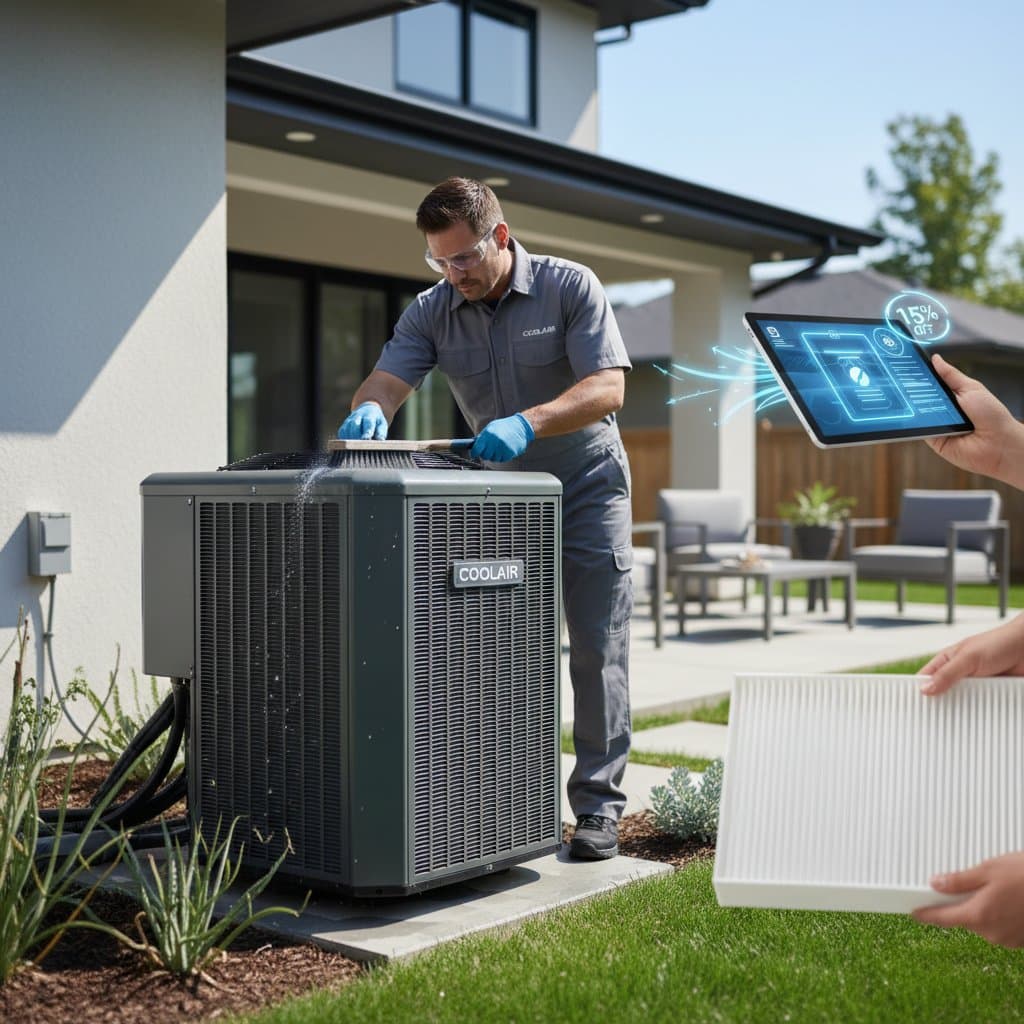
Preparing Your AC for Summer: Avoid Breakdowns and Save on Energy
No home discomfort rivals an air conditioner failure amid peak summer heat. A proactive tune-up before temperatures rise averts expensive fixes, curbs energy consumption, and preserves indoor comfort. Homeowners often overlook this preparation, relying on last season's performance. Yet, targeted maintenance significantly prolongs system durability and trims cooling expenses.
Essential Reasons for AC Tune-Ups
Air conditioning units accumulate dirt, dust, and debris over time. Clogged filters impede airflow, coils diminish in effectiveness, and components experience gradual wear. Unaddressed, these problems compel the system to operate longer, inflating utility statements. Scheduled tune-ups optimize function, identify emerging damage early, and sidestep urgent repairs during high-cost periods.
Data from the U.S. Department of Energy indicates that a properly maintained AC consumes up to 15 percent less energy. This practice secures comfort while aiding financial planning. Technicians or diligent homeowners can execute the procedure using a structured approach.
Initial Preparations for the Tune-Up
Disconnect power to the unit via the outdoor condenser's switch or the indoor electrical panel breaker. Prioritize safety in every step. Assemble tools such as a screwdriver, garden hose, fin comb, soft brush, and spare filters. For coil cleaning or refrigerant line checks, don gloves and safety glasses.
Examine the surroundings of the outdoor unit. Remove leaves, grass, or branches within a two-foot radius of the condenser. Efficient airflow demands clear space. Trim encroaching vegetation and clear accumulated soil from the unit's base.
Detailed AC Tune-Up Procedures
Comprehensive maintenance addresses indoor and outdoor elements. Execute these steps to ready the system for intense operation.
-
Replace or Clean Filters
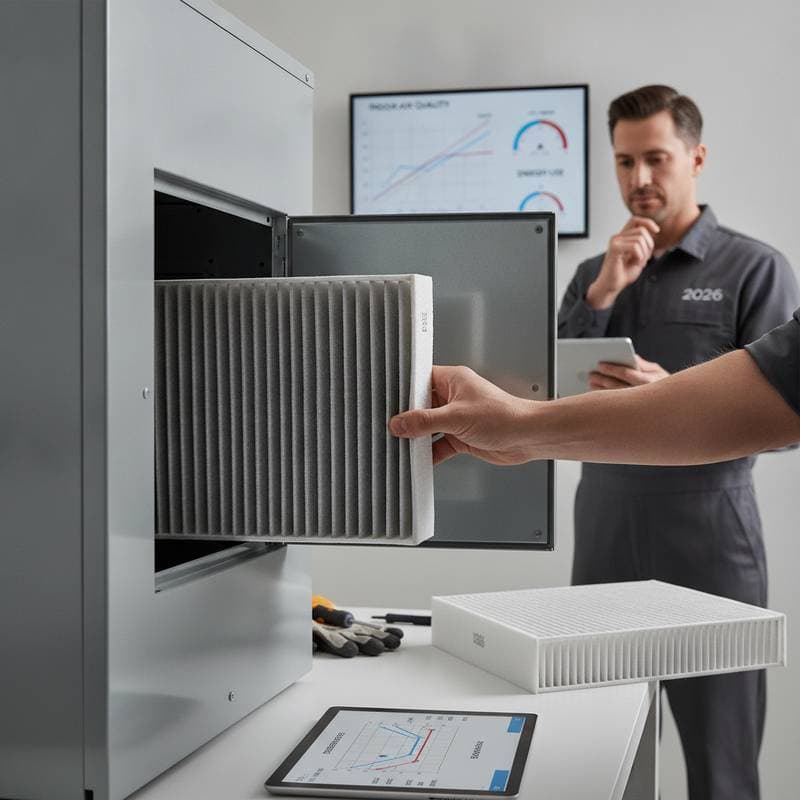
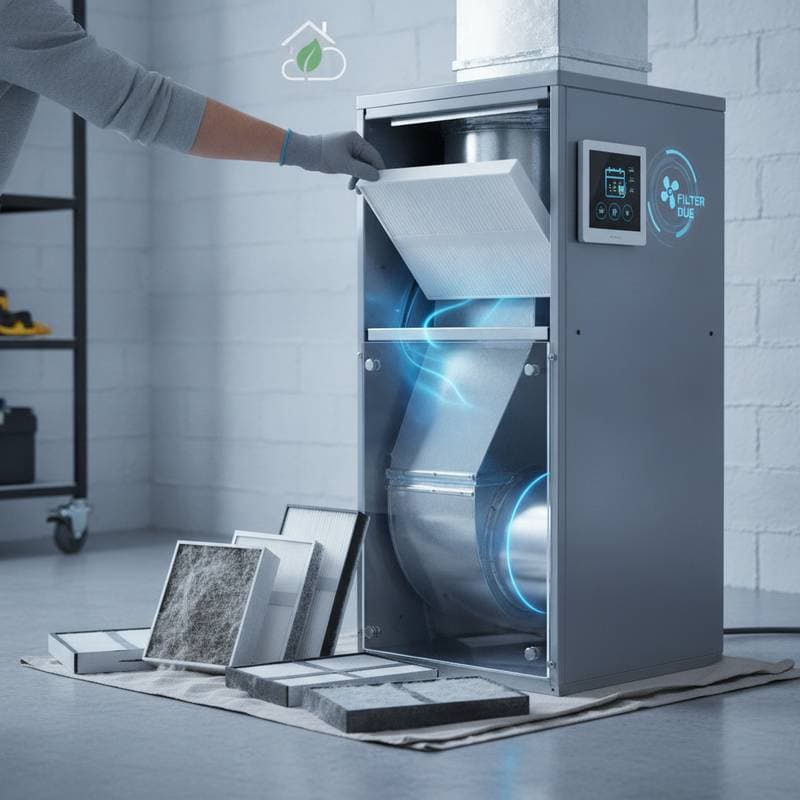
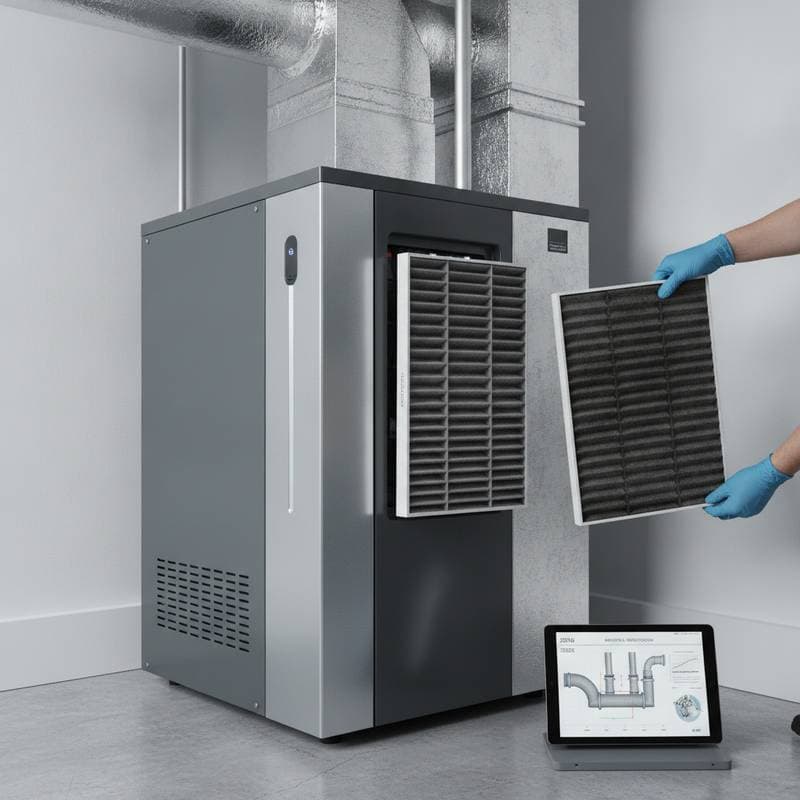
Dirty filters hinder airflow and overburden the fan motor. Swap out disposable types or rinse reusable ones every one to three months. Select filters with MERV ratings of 8 to 11 to balance air circulation and filtration quality. -
Clean Condenser Coils
Detach the outdoor unit's top grille and brush or vacuum away surface debris. Rinse coils with a garden hose, directing water from inside outward. Steer clear of pressure washers to prevent fin distortion. Pristine coils facilitate superior heat transfer and ease compressor effort. -
Straighten Bent Fins
Deformed fins obstruct coil airflow. Employ a fin comb to realign them delicately. This adjustment yields measurable improvements in cooling capacity. -
Examine Refrigerant Lines
Review the copper tubing connecting the indoor evaporator to the outdoor condenser. Detect any harm or absent insulation. Install fresh foam covers on deteriorated sections to minimize energy escape. -
Clear the Condensate Drain Line
Blockages lead to indoor water spills and excess moisture. Apply a wet-dry vacuum or flush with a cup of vinegar to dissolve deposits. -
Inspect Blower and Indoor Coil
Access the furnace or air handler interior. Dust blower blades and enclosure surfaces. Substantial residue or mold warrants a licensed HVAC specialist for thorough remediation. -
Verify Thermostat Operation
Adjust the setting several degrees below ambient temperature and monitor system activation. Faulty cycling may require battery replacement or a switch to a programmable model for precise regulation.
Deciding Between DIY and Professional Services
Homeowners manage filter swaps, surface cleaning, and basic visual assessments effectively. Delegate refrigerant handling, electrical diagnostics, and lubrication to certified experts. Professionals deploy gauges for refrigerant evaluation, capacitor testing, and voltage measurement. Such measures guarantee secure performance and uncover concealed faults.
Professional tune-ups range from eighty to one hundred fifty dollars, varying by location and equipment. This investment recoups through heightened efficiency and reduced crisis interventions. HVAC providers frequently propose annual plans covering spring and fall services, featuring expedited appointments and rate reductions during busy seasons.
Financial and Efficiency Impacts
An unclean system elevates monthly cooling charges by ten to twenty percent. Consistent filter changes and coil maintenance counteract this inefficiency. For a typical two hundred dollar cooling bill, optimized airflow could yield thirty dollar savings.
Efficiency influences equipment longevity as well. Overworked compressors degrade prematurely. Routine care extends AC service life by years, deferring replacement costs that reach thousands.
Key Safety Measures in Maintenance
De-energize the system prior to any contact. Refrain from metallic instruments near electrical parts and direct water clear of connections. During coil rinsing, maintain low water pressure to safeguard aluminum fins. Post-restart, any odor of scorch or odd sounds necessitate immediate shutdown and expert consultation.
Gloves protect against jagged edges or cleaning agents. With coil sprays, ventilate the area and adhere to product guidelines. A flashlight illuminates shadowed sections of the air handler without excess disassembly.
Selecting a Qualified Technician
Seek technicians with NATE or ACCA credentials, alongside valid licensing and insurance. Consult Google or Angi reviews for performance insights. Expect comprehensive checks of wiring, refrigerant charges, and safety features, culminating in a documented report of observations and advice.
Opt for firms offering electronic logs. These documents monitor trends, forecasting issues before they escalate.
Sustaining Long-Term AC Performance
Tune-ups form an ongoing commitment to efficiency and comfort. Post-service, set monthly filter checks and seasonal outdoor cleanings. Maintain a log of visits, replacements, and fixes.
Monitor indicators like inconsistent temperatures, rising bills, or atypical noises. Prompt responses mitigate major disruptions.
Annual professional reviews complement DIY efforts, blending self-reliance with expertise. This approach ensures seamless operation, eases heatwave concerns, and safeguards a critical home investment.
Investing modest time in these practices delivers dependable cooling, reduced expenses, and enduring reliability for a serene summer environment.