Why Fall Chimney Preparation Prevents Costly Winter Issues
As temperatures fall, the fireplace often serves as the cozy center of home life. The inviting warmth and flickering light create lasting memories. However, this essential feature requires proactive care before winter arrives. Fall chimney preparation stands as a critical step to avoid safety risks, inefficiency, and expensive fixes during the coldest months.
Key Processes Within the Chimney
Burning wood releases smoke laden with unburned particles. These particles adhere to the flue walls and gradually form creosote, a sticky, tar-like deposit. Thick creosote buildup poses a fire risk, while even minimal layers hinder airflow and allow smoke to seep into living areas. Hardened creosote demands professional removal, increasing both effort and expense.
Moisture infiltration presents another concern. Rain or melting snow entering an unprotected chimney combines with soot to produce acidic compounds. This mixture erodes mortar joints, compromising the chimney's stability and causing leaks at the base. A comprehensive fall inspection identifies and mitigates these vulnerabilities before the heating season begins.
Benefits of Hiring a Professional Inspector
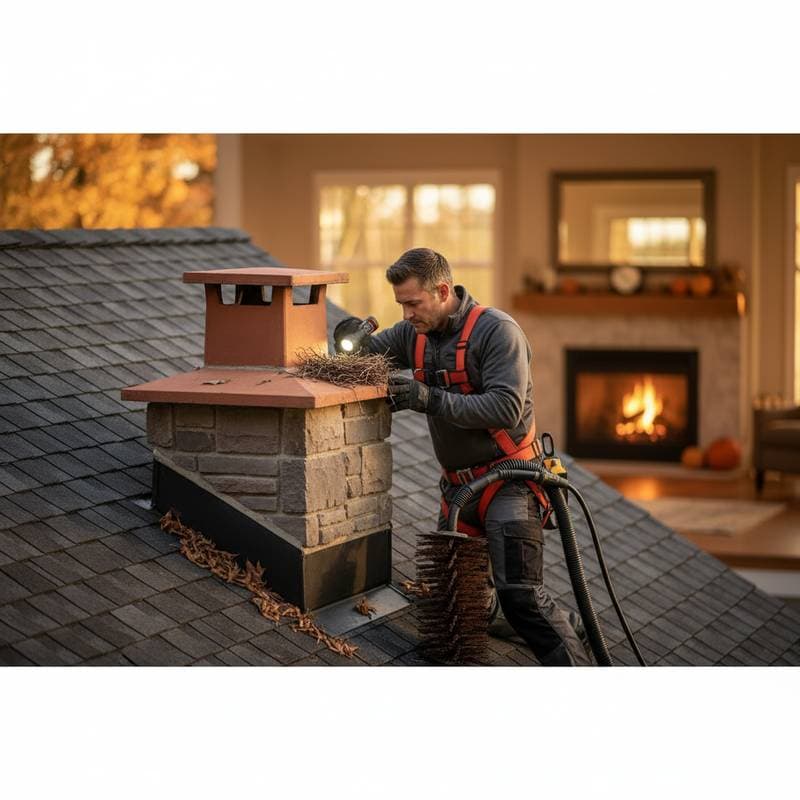
Certified chimney professionals perform more than basic cleaning. They examine for fractures, blockages, and deteriorated mortar using specialized tools and illumination. High-resolution cameras allow them to inspect the flue liner for concealed wear that homeowners cannot access safely.
Inspection and cleaning services generally cost between $150 and $350, varying by chimney size and creosote accumulation. In contrast, fixing a damaged liner or installing a new cap might run from several hundred to thousands of dollars. Proactive investment averts these larger outlays.
Homeowner forums highlight recurring experiences: neglecting fall maintenance leads to smoke backups, unpleasant smells, or outright fires. Routine checks enhance heating performance, prolong fireplace longevity, and prioritize safety.
Winter-Specific Challenges and Prevention
Freezing conditions exacerbate minor masonry flaws. Water trapped in cracks expands upon freezing, leading to spalling where bricks chip and degrade. This deterioration can undermine the entire chimney structure. Winter repairs prove challenging, as cold weather prevents proper mortar setting. Fall interventions halt this progression early.
Wildlife seeks shelter as cold sets in. Uncapped chimneys attract birds, squirrels, and raccoons, resulting in nests that obstruct the flue. Clearing such blockages involves mess and often professional assistance. A secure, screened cap installed in fall resolves this issue completely.
The damper requires attention as well. A faulty seal permits warm air to escape, inflating energy bills. Technicians assess its condition and suggest replacements, which cost $100 to $300. These upgrades yield rapid returns through reduced heat loss.
Steps for Optimal Fireplace Performance
After professional servicing, implement simple habits for better results. Select seasoned hardwoods dried for a minimum of six months, as green wood generates excess smoke and creosote. Store kindling in dry conditions and elevate logs at least six inches above ground level to avoid dampness.
Verify the functionality of smoke and carbon monoxide alarms prior to the initial fire. Install fresh batteries and conduct tests. While a pristine chimney minimizes risks, reliable detectors offer essential backup protection.
For homes dependent on fireplace heat, deploy a chimney balloon during idle periods. This device seals the flue against drafts, costing about $50 and potentially cutting energy loss by 20 percent.
Recommended Tools and Brands for Home Maintenance
DIY enthusiasts can equip themselves with durable supplies from retailers. Rutland and HY-C provide effective brushes, extension rods, and creosote treatments. A complete kit for typical chimneys runs approximately $75. Equip yourself with a dust mask, gloves, and protective eyewear. Proceed methodically from roof to base, ensuring a spotter assists with ladder or roof access.
Instructional videos from certified sweeps demonstrate safe practices for residential chimneys. These resources illustrate correct brushing techniques and inspection protocols, bridging the gap between professional service and personal upkeep.
Safeguarding Your Home's Chimney Long-Term
Annual fall maintenance extends beyond crisis avoidance. It promotes cleaner combustion, conserves fuel, and limits emissions. Structural protections against water preserve your home's masonry integrity.
Property owners committing to yearly evaluations experience reliable heating and diminished repair needs. Proactive scheduling avoids winter urgencies, premium rates, and scheduling constraints. Prioritize your chimney alongside other vital home systems. This focused effort ensures seamless comfort through the season.