Beat 2026 Heat Waves: Essential AC Prep Checklist
Rising temperatures transform homes into uncomfortable environments when air conditioners lack preparation for peak demand. Proactive maintenance of the AC system ensures reliable cooling, prevents expensive failures, and enhances energy efficiency. This applies to central units, window models, or portable systems, providing comfort and cost savings throughout the summer.
The following guide presents an essential AC preparation checklist. Steps range from filter cleaning to professional inspections, enabling optimal performance during intense heat.
Understanding AC Preparation Costs
Preparation expenses vary by system type, home dimensions, and maintenance scope. Knowledge of these costs aids in budgeting effectively.
DIY Costs
Individuals performing basic tasks invest modestly in materials, including:
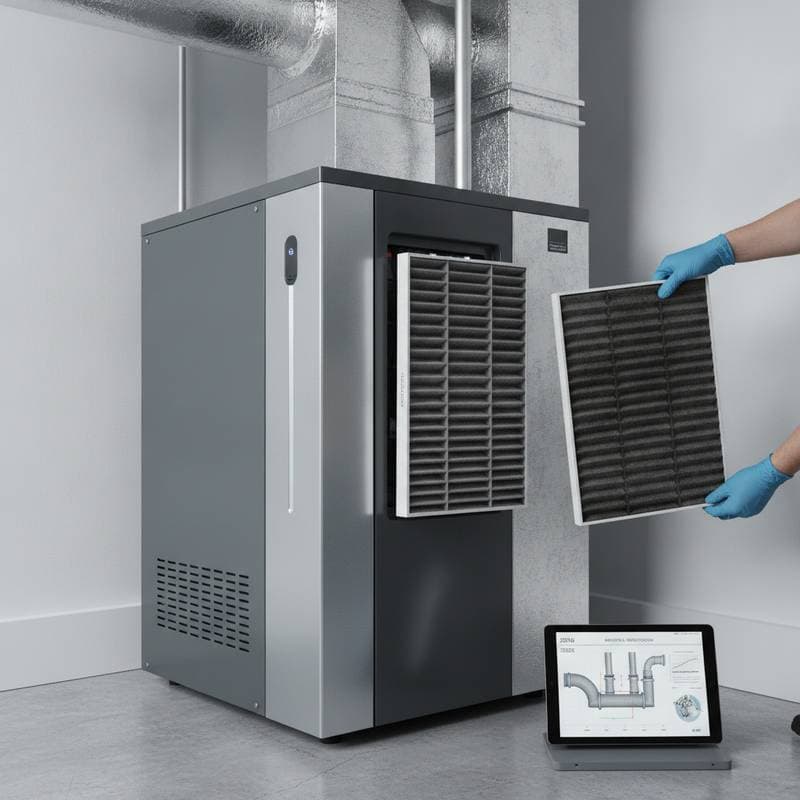
- Replacement air filters, selected based on system specifications
- Coil cleaning solutions, applied with a garden hose for rinsing
- Condensate drain treatments, such as algaecide tablets to prevent clogs
- Straightening tools for condenser fins, like a fin comb, to restore airflow
- Essential tools, including screwdrivers and a vacuum with brush attachment
These items cost under $50 typically and improve airflow substantially. The primary commitment involves one to two hours of focused effort.
Professional Service Costs
A licensed HVAC specialist conducts comprehensive tune-ups, encompassing inspections, cleanings, and tests. Fees, ranging from $75 to $200, cover:
- Diagnostic evaluations and labor charges
- Refrigerant pressure assessments and adjustments
- Electrical inspections for capacitors and wiring integrity
- Thorough cleaning of evaporator and condenser coils, plus system calibration
Annual contracts often bundle two visits per year, reducing overall expenses and identifying problems early.
Factors That Affect Pricing
Key elements influencing expenses include:
- System age and efficiency ratings: Units over 10 years old frequently need component replacements.
- Accessibility challenges: Elevated or enclosed units demand additional time and equipment.
- Demand timing: Services booked during early spring cost less than those in midsummer peaks.
- Home scale and duct configuration: Extensive ductwork requires extended cleaning sessions.
When DIY Might Cost More
Basic self-maintenance avoids service fees, yet neglecting expert evaluations risks undetected issues. Low refrigerant or faulty wiring may evade notice until a mid-heat failure occurs. Preventive professional visits, at $100 to $150, prove more economical than emergency repairs exceeding $500.
DIY vs Professional: Making the Right Choice
Selection between self-maintenance and expert help hinges on technical confidence and system familiarity.
Benefits of DIY Maintenance
- Substantial savings on routine tasks like filter swaps and vent dusting
- Flexible scheduling aligned with personal availability
- Increased awareness of system behaviors and early warning signs
Drawbacks of DIY Maintenance
- Inability to detect complex faults, such as compressor strain
- Potential harm to sensitive parts, including bent fins or stripped screws
- Absence of calibrated testing for optimal refrigerant flow and static pressure
Benefits of Hiring a Professional
- Detailed examinations of refrigerant circuits, electrical systems, and duct integrity
- Compliance with safety protocols during high-voltage or pressurized work
- Precision adjustments that elevate efficiency by up to 20 percent
Skill Level and Safety Considerations
Simple procedures, such as filter changes and accessible coil wiping, suit capable homeowners. Tasks involving refrigerants, high-voltage components, or duct sealing demand certified expertise. Mishandling poses risks of leaks, shocks, or voided warranties.
Time Commitment Comparison
DIY preparation requires 90 minutes to three hours, varying by unit accessibility. Professional appointments match this duration but incorporate advanced diagnostics, like airflow meters and leak detectors, for superior results.
Your AC Prep Questions, Answered
Industry professionals address frequent inquiries below.
How often should I replace my air filter?
Exchange filters monthly during heavy use or every three months otherwise. Clogged filters strain the blower motor and diminish cooling capacity by 15 percent.
What are signs my AC needs professional servicing?
Indicators include reduced airflow, output temperatures above 75 degrees Fahrenheit, unusual rattling or hissing, and unexplained bill increases. These symptoms signal blockages, low refrigerant, or mechanical wear.
Can I clean my AC coils myself?
Affirmative, with caution. Power down the unit, apply no-rinse cleaner to coils, and rinse gently from inside out. Avoid high-pressure washing to prevent fin damage.
Do ceiling fans help my AC work better?
Ceiling fans distribute chilled air evenly, permitting a two- to four-degree thermostat rise while preserving comfort, thus cutting energy use by 10 percent.
Should I cover my outdoor unit?
Covers protect during winter storage but hinder summer operation. Ensure 24 inches of clearance around the condenser for unrestricted airflow.
Is refrigerant top-up part of regular maintenance?
Technicians verify levels routinely; recharges occur only for verified deficiencies, often from leaks requiring repair to comply with environmental regulations.
How do I know if my ductwork needs cleaning?
Excessive dust at registers, uneven room temperatures, or musty odors suggest accumulation. Professional duct cleaning every three to five years maintains air quality.
Do smart thermostats improve efficiency?
Programmable models optimize cycles based on occupancy and weather data, reducing runtime by 8 to 15 percent without comfort loss.
Are window units worth servicing?
Routine care extends their lifespan. Wipe coils quarterly, empty drain pans, and check seals to avoid inefficiency in compact systems.
What should I ask an HVAC technician before hiring?
Inquire about licensing, experience with your unit type, service inclusions, and guarantees. Insist on itemized quotes and post-service reports.
How to Decide: Your Step-by-Step Guide
Decisions on maintenance approach benefit from systematic evaluation.
Step 1: Assess Your System’s Condition
Review prior season logs for irregularities like frequent cycling or hot spots. Persistent issues warrant immediate professional review.
Step 2: Evaluate Your Skills and Tools
Basic tasks require minimal equipment; advanced diagnostics need specialized gauges. If uncertain, prioritize safety by consulting experts.
Step 3: Calculate True Costs
Tally supply expenses against potential efficiency gains, such as 10 percent bill reductions from clean coils. Compare to pro fees, factoring in avoided repair premiums during outages.
Step 4: Consider Safety and Reliability
DIY suits low-risk actions, but pros ensure code compliance and warranty preservation. Reliability favors inspections that predict failures with 90 percent accuracy.
Step 5: Make the Final Decision
Integrate findings: opt for hybrid approaches, like DIY filters plus annual pro tune-ups, for balanced outcomes.
Preparing for Your AC Project
Advance planning maximizes effectiveness.
- Book services in late winter or early spring to secure slots.
- Remove debris from condenser surroundings, maintaining two feet of open space.
- Vacuum interior registers and replace any pinched insulation.
- Calibrate thermostats using manufacturer guidelines for precision.
- Allocate funds for essentials, plus buffers for unexpected findings like minor part swaps.
Maintain Peak Performance Year-Round
Consistent preparation transforms heat wave challenges into manageable routines. Implement this checklist to secure efficient, dependable cooling that safeguards health and finances through 2026 and beyond.