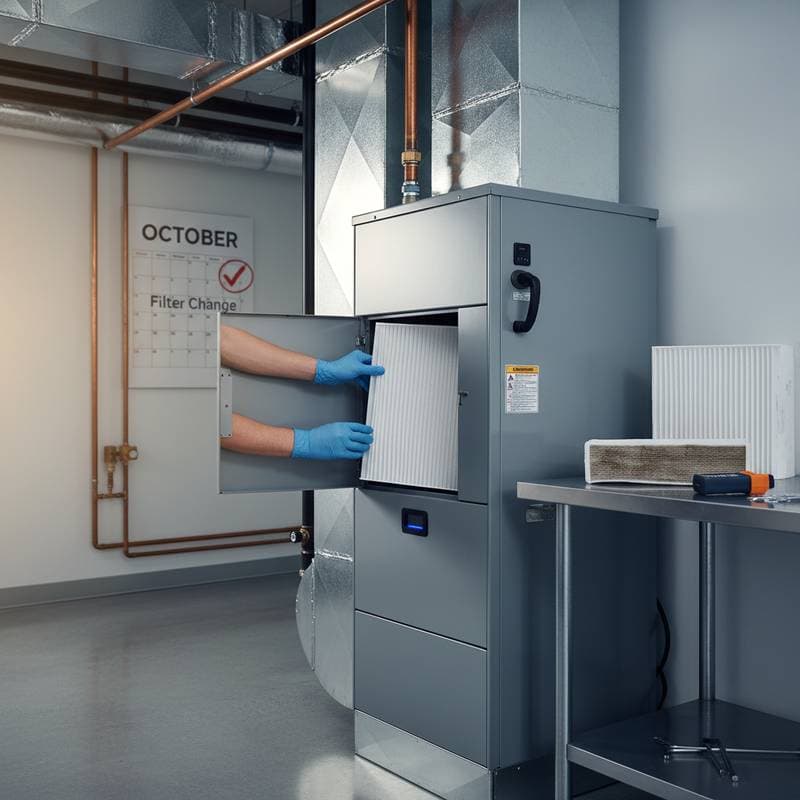
Strategic Fall HVAC Filter Replacements to Slash Energy Costs
Clean HVAC filters ensure smooth operation as temperatures drop. Homeowners often overlook the need for regular replacements, particularly during fall when heating demands rise. Timely changes reduce energy consumption, enhance indoor air quality, and prolong system durability. This guide details optimal replacement timing for fall, filter selection criteria, and straightforward maintenance practices to sustain efficiency.
Optimal Timing for Fall Filter Replacements
Replacement schedules vary based on household factors such as occupancy levels, pet presence, and local air quality. Industry standards suggest monthly inspections with replacements every one to three months. In fall, align changes with these pivotal periods to maximize performance:
-
Heating Season Initiation
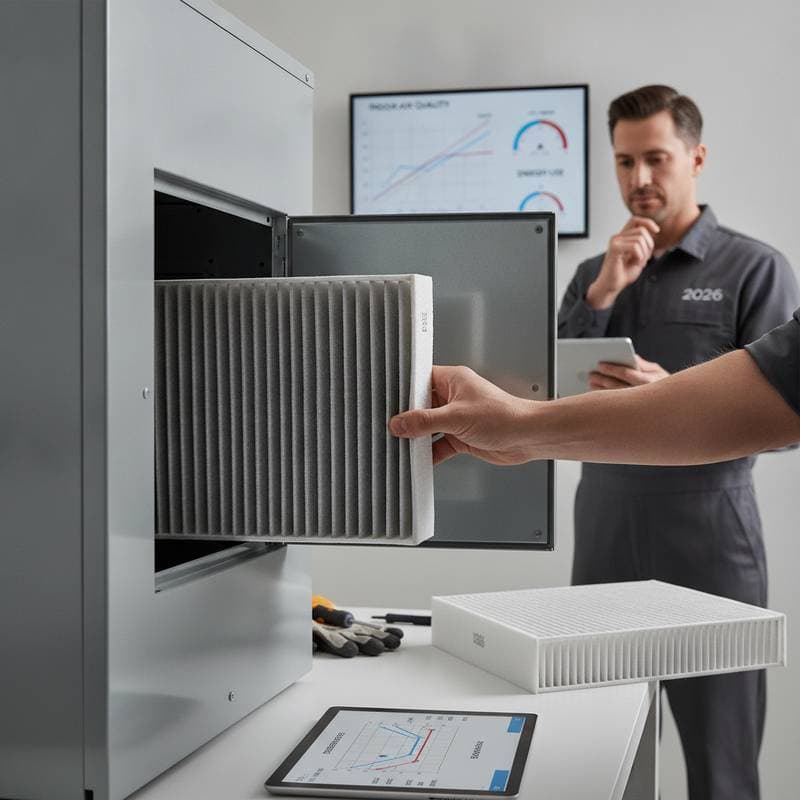
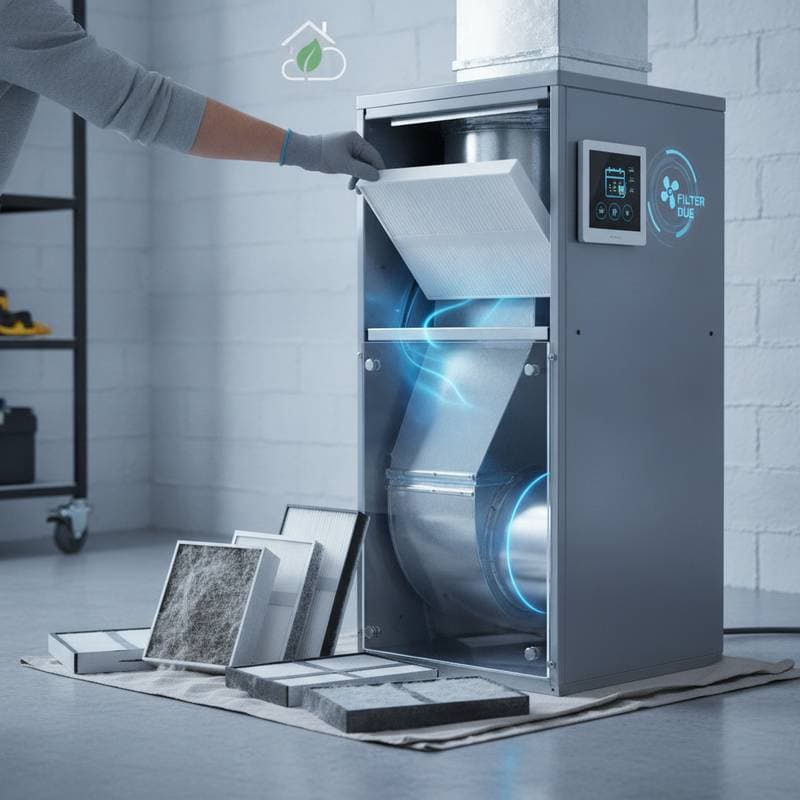
Switch to heating mode and install a new filter immediately. Summer cooling cycles accumulate dust and debris, which a fresh filter removes to restore unrestricted airflow. -
Mid-Season Evaluation
Conduct an inspection around mid-October. Visible dirt accumulation signals the need for replacement, preventing reduced efficiency during transitional weather. -
Pre-Winter Preparation
Before intense cold arrives in late November, fit a new filter. This step prepares the system for prolonged operation, minimizing strain on components.
Households with pets, smokers, or frequent outdoor activities require more frequent replacements. Open windows during mild days accelerate filter clogging, so adjust schedules accordingly.
Selecting the Right Filter Type
Filter choice impacts performance and cost-effectiveness. Measure your system's filter slot first to ensure compatibility, typically 16 by 20 by 1 inches for standard units. Consider these categories based on needs:
-
Fiberglass Filters: Basic and affordable, they capture large particles but offer minimal air quality benefits. Suitable for low-dust environments.
-
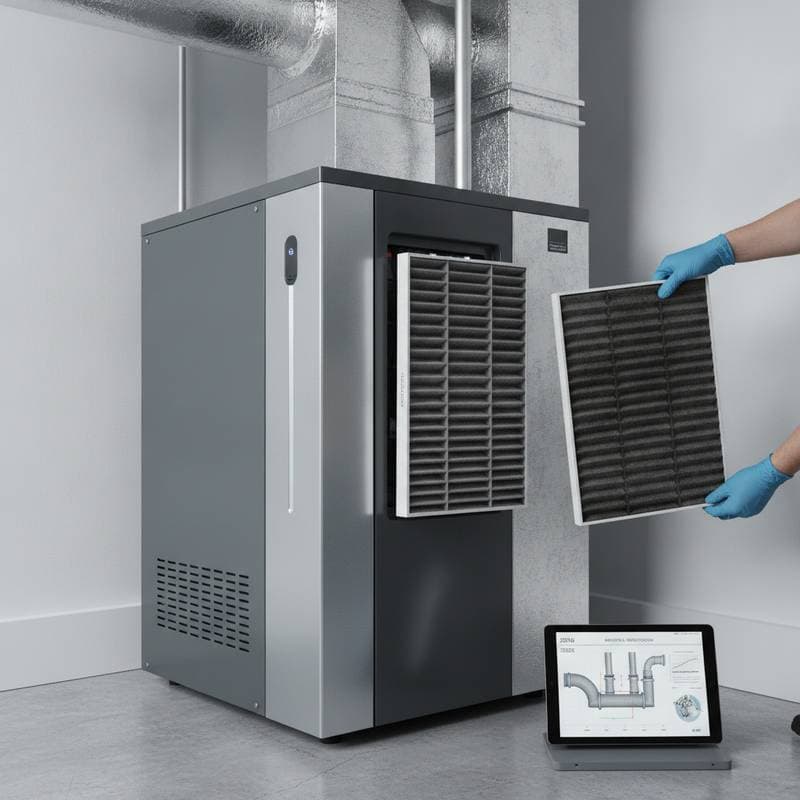
Pleated Filters: Higher efficiency with deeper folds that trap finer dust and allergens. Replace every 1-2 months for optimal results.
-
HEPA Filters: Capture 99.97 percent of particles as small as 0.3 microns, ideal for allergy sufferers. They restrict airflow slightly, so verify system compatibility.
-
Electrostatic Filters: Attract particles through static charge, providing reusable options. Clean monthly and replace every six months.
Match Minimum Efficiency Reporting Value (MERV) ratings to your needs: 8-11 for general use, 12-16 for superior filtration. Consult your HVAC manual for maximum ratings to avoid overworking the blower motor.
Practical Maintenance Strategies
Establish a routine to simplify upkeep and avert issues. Implement these measures for consistent results:
-
Schedule Regular Alerts: Program monthly reminders on digital calendars or apps to prompt inspections without fail.
-
Monitor Visual Indicators: Examine filters for graying or shadowing; immediate replacement prevents efficiency drops.
-
Stock Replacement Supplies: Store extras in a accessible location near the HVAC unit for prompt installation.
-
Clean Surrounding Components: Vacuum return air vents and registers bi-monthly to limit debris entry and extend filter life.
-
Track Usage Patterns: Note heating runtime increases and adjust replacement frequency to match seasonal demands.
These practices demand minimal effort yet yield substantial returns in system reliability and air purity.
Quantifiable Savings and System Longevity
Timely filter replacements decrease energy usage by up to 15 percent, as documented in efficiency studies. Unrestricted airflow eases blower motor operation, accelerating temperature attainment and shortening cycle durations. Reduced runtime translates to lower utility bills and diminished component wear.
Annual savings accumulate: a typical household might reduce heating costs by 50 to 100 dollars through consistent maintenance. Cleaner operation also curbs dust buildup in ducts, lowering the frequency of professional cleanings. Over time, these habits extend furnace lifespan by years, postponing expensive overhauls.
Beyond finances, benefits include fewer allergens circulating indoors, promoting healthier living spaces. Families report noticeable improvements in respiratory comfort after adopting regular schedules.
Sustaining Peak Performance Year-Round
Integrate fall maintenance into broader HVAC care for enduring efficiency. After replacement, monitor thermostat settings to avoid overworking the system during variable weather. Pair filter changes with annual professional tune-ups to detect emerging issues early.
Commit to these steps, and your HVAC system operates at peak capacity through winter. Reliable performance fosters confidence in home comfort while delivering ongoing energy and health advantages.