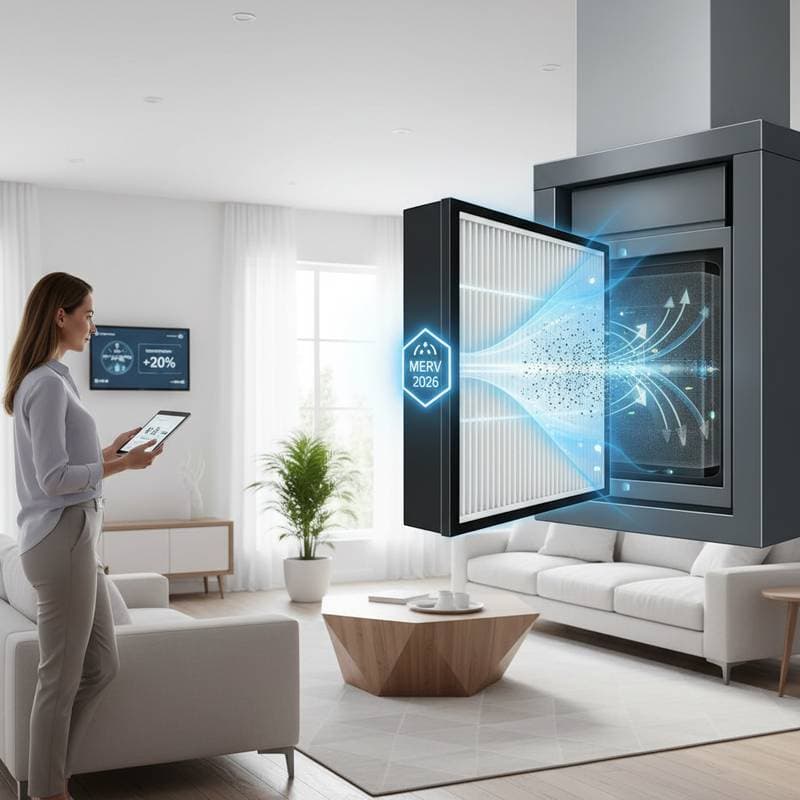
How 2026 MERV Rating Changes Will Transform Your Home's Air Quality
Homeowners often overlook air filters until visible dust or poor airflow prompts action. These components in HVAC systems play a critical role in maintaining indoor air quality, optimizing energy use, and extending equipment durability. The MERV rating updates scheduled for 2026 will alter testing protocols, labeling practices, and selection criteria for residential filters. These modifications extend beyond manufacturers to directly impact the air circulating through your living spaces.
Understanding MERV Ratings
MERV represents Minimum Efficiency Reporting Value, a scale that evaluates an air filter's ability to capture particles across various sizes. The ratings span from 1 to 20, where higher values indicate effectiveness against finer contaminants such as smoke, dust mites, and viruses.
For instance, a MERV 8 filter effectively traps larger particles like dust and lint, whereas a MERV 13 version captures smaller ones including auto exhaust and lead dust. Elevated ratings correspond to denser filter materials, which enhance air purification but may increase airflow resistance if incompatible with the HVAC setup.
The 2026 revisions aim to standardize these ratings industry-wide. They introduce rigorous testing for ultrafine particles and establish distinct categories for residential, commercial, and healthcare applications.
The Significance of the MERV Update
A common misconception holds that higher MERV ratings guarantee superior performance regardless of context. Actual results hinge on the interplay between the filter and the HVAC system. An overly restrictive filter forces the blower to strain, elevating energy expenses and accelerating wear on components.
These updates establish a direct link between filtration efficiency and airflow resistance. Homeowners will gain tools for precise filter comparisons, selecting options that deliver clean air without overburdening the system. Manufacturers face incentives to develop products that sustain high capture rates alongside low pressure drops.
Discussions among engineers on specialized forums highlight how enhanced testing will curb misleading efficiency claims, ensuring labels reflect genuine laboratory outcomes.
Impacts on Indoor Air Quality
The primary advantage lies in elevated air purity. Expanded testing protocols now encompass ultrafine pollutants, such as those from household cooking or incense. This addresses previous shortcomings, providing a truer assessment of filter performance in everyday home settings rather than controlled labs.
Residential filters under the new system must satisfy elevated benchmarks for both particle removal and airflow balance. Consequently, a filter rated MERV 11 may surpass predecessors with the same numerical designation in contaminant reduction.
Agency data reveals that indoor pollutants can exceed outdoor levels by factors of two to five. The revised ratings empower users to deploy filters that eliminate more allergens and irritants, fostering better respiratory health and minimizing surface dust accumulation.
Balancing Costs and Energy Use
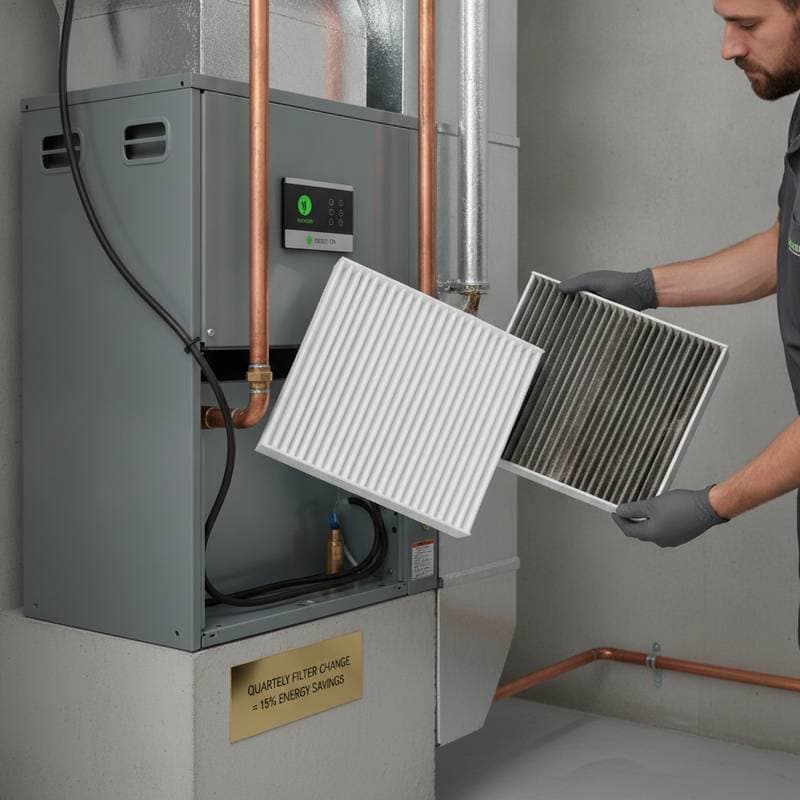
Higher-efficiency filters carry premium prices, yet their advantages often justify the investment. A MERV 8 model typically costs $10 to $25, compared to $30 to $60 for MERV 13 equivalents. The standards promote durable materials, potentially stretching replacement cycles from three months to four or six for select types.
Energy implications prove equally vital. Filters matched to system capacity reduce blower effort, preserving motor integrity. Service provider analyses indicate that optimized high-efficiency filters can cut energy use by up to 10 percent, yielding noticeable reductions in utility bills while upholding air cleanliness.
Effects on Installation and Upkeep
Updated guidelines may prompt redesigns in filter housings to support denser or multi-pleated media without compromising flow. Such adaptations simplify upgrades for homeowners, eliminating the need for extensive HVAC alterations.
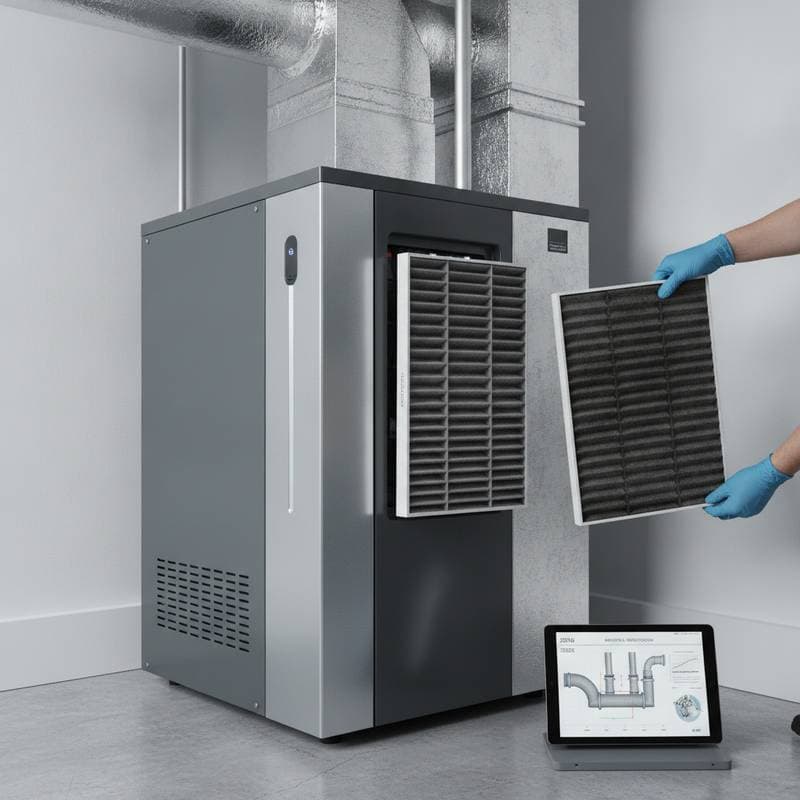
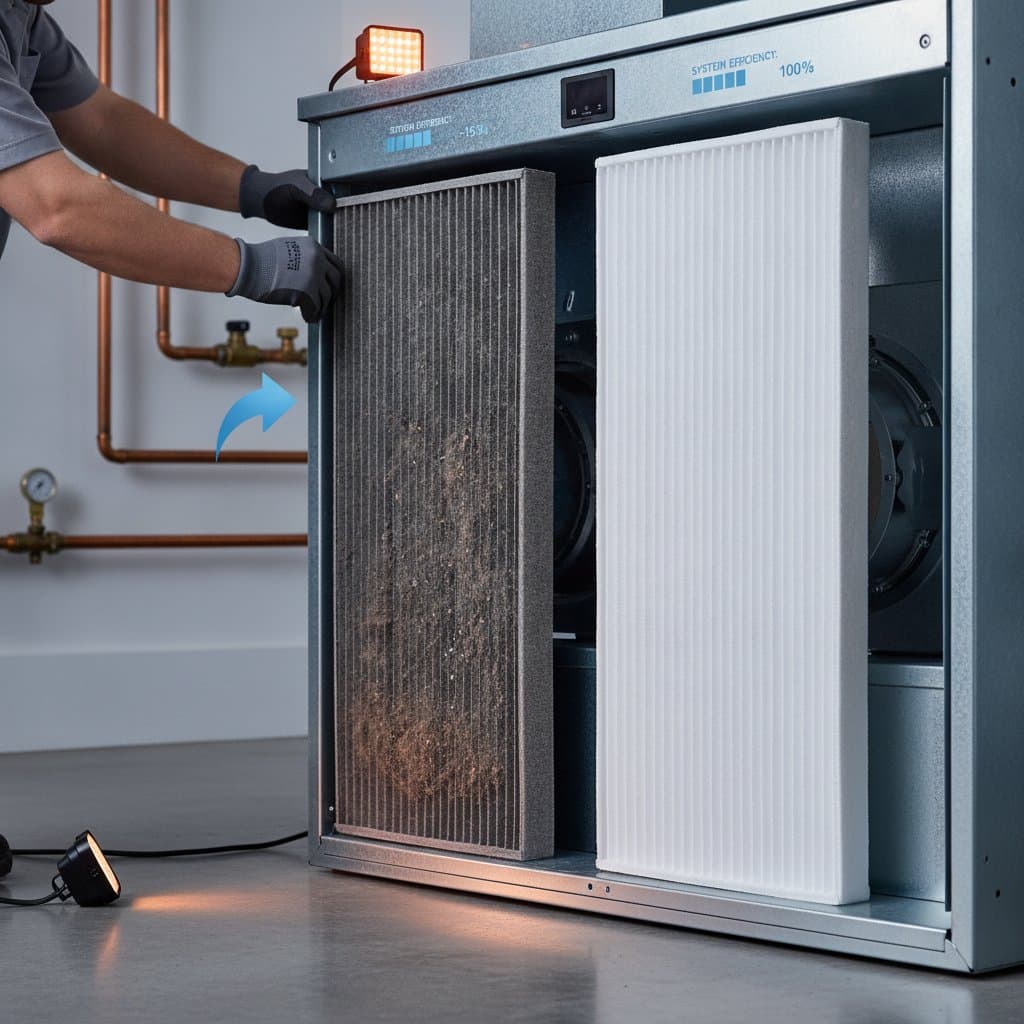
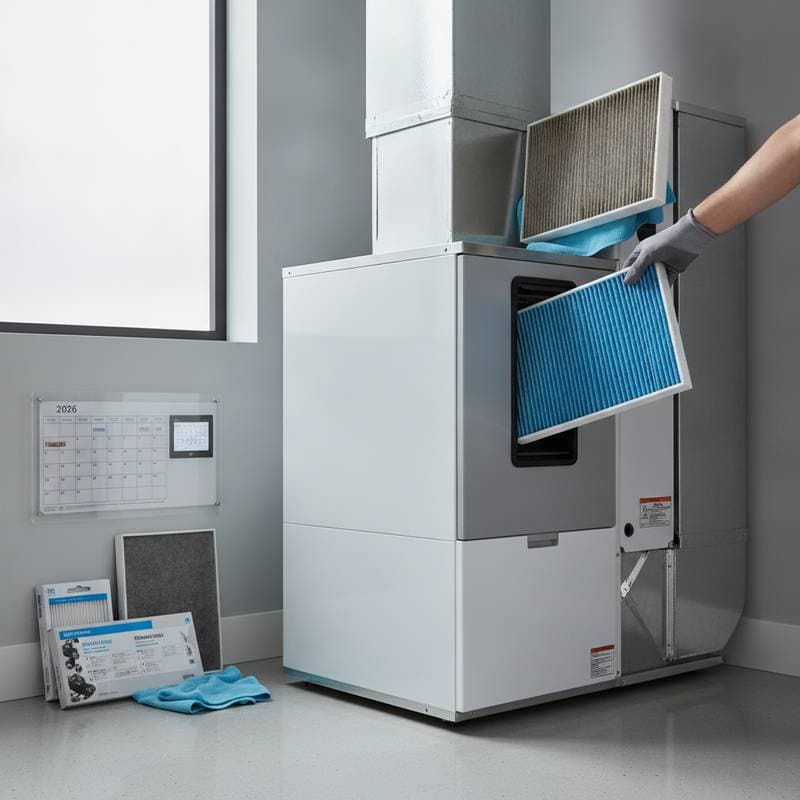
Maintenance practices remain essential. A saturated filter undermines any efficiency edge. Homeowners should inspect filters monthly, replacing them upon signs of dirt buildup to sustain optimal airflow. Emerging smart HVAC integrations offer runtime-based alerts, shifting from rigid schedules to performance-driven reminders.
Insights from Industry Experts
Technicians and scientists express enthusiasm for the forthcoming clarity. Forum contributions note that standardized testing will mitigate errors from mismatched filters, which frequently lead to avoidable repairs. Real-world airflow integration in evaluations will guide better selections and fewer system issues.
Filter producers anticipate accelerated advancements. Hybrid designs merging electrostatic and mechanical elements promise elevated capture without airflow drawbacks. Proven in commercial sectors, these innovations stand poised for residential adoption post-implementation.
Steps to Prepare for the Shift
Preparation begins immediately, ahead of the 2026 implementation.
- Review system specifications to identify the maximum compatible MERV rating.
- Increment efficiency levels progressively; transition from MERV 8 to 10 or 11 to assess impacts.
- Monitor pressure differentials using gauges or professional measurements before and after changes.
- Arrange technician evaluations of blowers and ducts to confirm readiness for advanced media.
- Prioritize products certified to the new standards once available, avoiding legacy inventory.
Achieving Cleaner Air in Your Home
These MERV evolutions mark progress toward superior residential environments and streamlined operations. Clearer benchmarks equip users to weigh air purity against operational costs effectively.
Anticipate refreshed labeling, innovative designs, and targeted promotions upon rollout. Consult HVAC specialists for tailored recommendations and adhere to regular upkeep routines.
Early adopters stand to gain from reduced allergens, diminished dust, and steady comfort year-round. The updates elevate filter reliability, ensuring your home delivers the fresh air essential for well-being.