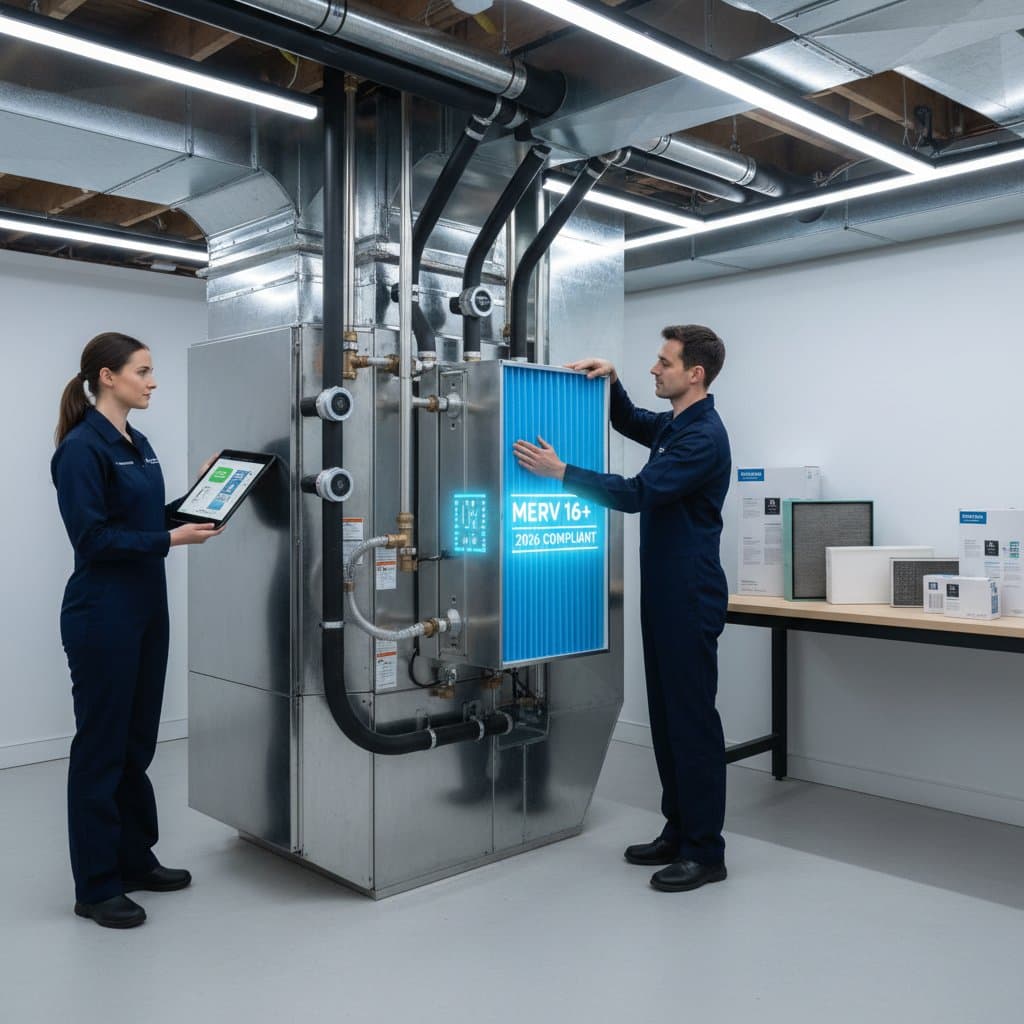
Indoor air quality ranks as a primary concern for homeowners and business operators alike. The impending MERV regulations aim to enhance filtration, diminish airborne contaminants, and foster healthier indoor settings. Grasping the implications of these standards, their influence on HVAC systems, and preparatory measures ensures compliance while safeguarding comfort levels.
Understanding MERV Rating Changes
The Minimum Efficiency Reporting Value, or MERV, quantifies an air filter's ability to capture particles from the air. Elevated ratings signify superior filtration capabilities. These forthcoming regulations increase the baseline MERV rating for numerous HVAC installations, especially in residential dwellings, office spaces, and public venues.
This initiative forms part of broader initiatives to curb indoor pollutants including dust, pollen, smoke, and microbial agents. Homeowners often need to install advanced filters and, in certain instances, modify or replace HVAC elements to accommodate enhanced filtration demands.
Decoding the MERV Scale
- MERV 1-4: These basic filters primarily trap large dust particles while permitting finer contaminants to circulate.
- MERV 5-8: Standard in many homes, they effectively capture mold spores, pet dander, and similar irritants.
- MERV 9-12: Suited for upscale residential or light commercial applications, they seize fine dust and allergens with greater precision.
- MERV 13-16: These advanced options trap bacteria, smoke particles, and select viruses, finding common use in medical facilities or areas with heavy foot traffic.
Anticipated regulations may require households to adopt MERV 11 or superior ratings, contingent upon system specifications and regional mandates. Consult local building codes for precise thresholds applicable to your location.
The Importance of MERV Upgrades
Compliance represents only one facet of HVAC filter enhancements. Such upgrades profoundly affect air purity, operational efficiency, and ongoing maintenance expenses. Superior MERV filters sequester additional pollutants, thereby bolstering respiratory health and alleviating indoor allergens.
Denser filters, however, may impede airflow within incompatible systems, potentially elevating energy consumption or stressing the blower motor. Mastering the equilibrium between filtration efficacy and system compatibility proves essential for optimal results.
Advantages of Advanced MERV Filters
- Purer indoor air: Diminishes allergens, dust accumulation, and persistent odors.
- Enhanced health safeguards: Mitigates exposure to airborne bacteria and viruses.
- Reduced dust in infrastructure: Maintains cleaner ducts and ventilation outlets over time.
- Elevated comfort levels: Eliminates stale smells and infuses freshness throughout living spaces.
Potential Challenges
- Airflow restriction occurs when filters exceed system design tolerances.
- Replacement intervals shorten to sustain peak performance.
- Initial costs surpass those of rudimentary filters, though savings accrue through efficiency gains.
To mitigate drawbacks, perform compatibility assessments prior to installation. Select filters certified for your HVAC model's static pressure limits.
DIY Versus Professional Upgrades
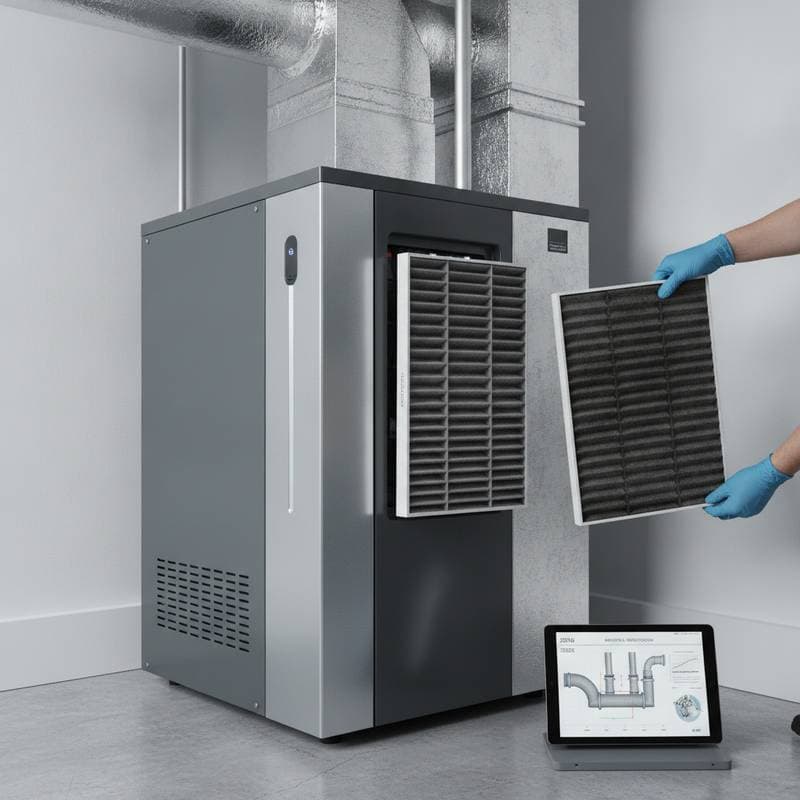
Filter replacement qualifies as a straightforward task for many individuals. Transitioning to elevated MERV levels, however, frequently necessitates expert assessment. A certified technician evaluates whether the existing setup accommodates the increased resistance from denser media.
If the blower or duct configuration proves inadequate, professionals recommend adaptations such as expanded plenums or variable-speed blowers to preserve airflow integrity.
Scenarios for DIY Implementation
- The current system accommodates elevated MERV ratings per manufacturer guidelines.
- Individuals possess confidence in routine filter inspections and swaps.
- Post-installation monitoring reveals no alterations in airflow, noise, or temperature consistency.
Indicators for Professional Intervention
- Inconsistent temperatures persist across rooms.
- Noticeable decline in airflow follows filter changes.
- Plans involve escalating from low ratings, such as MERV 8, to 13 or beyond.
Technicians assist in pinpointing suitable filter variants, measuring differential pressure, and verifying alignment with regulatory stipulations. Their expertise prevents costly errors and extends equipment lifespan.
Addressing Common HVAC Filter Inquiries
How frequently should filters undergo replacement?
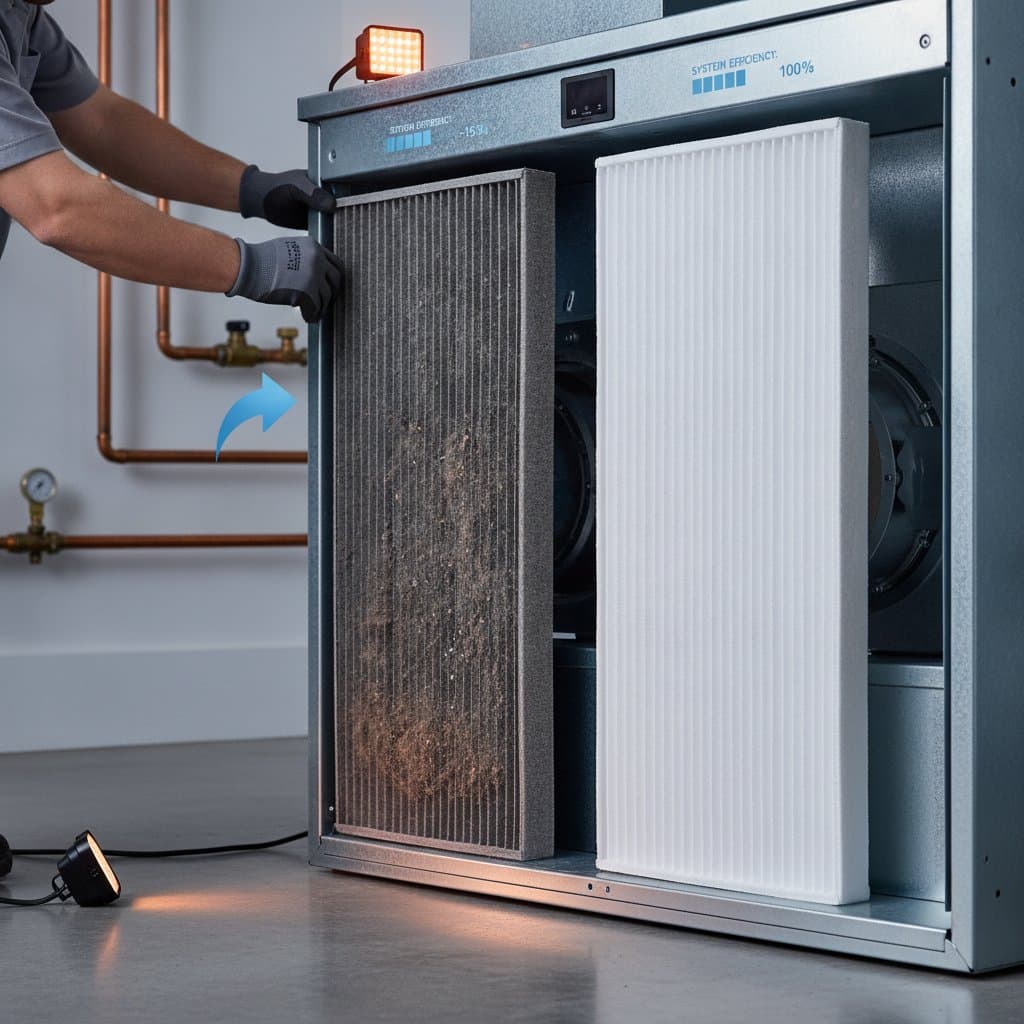
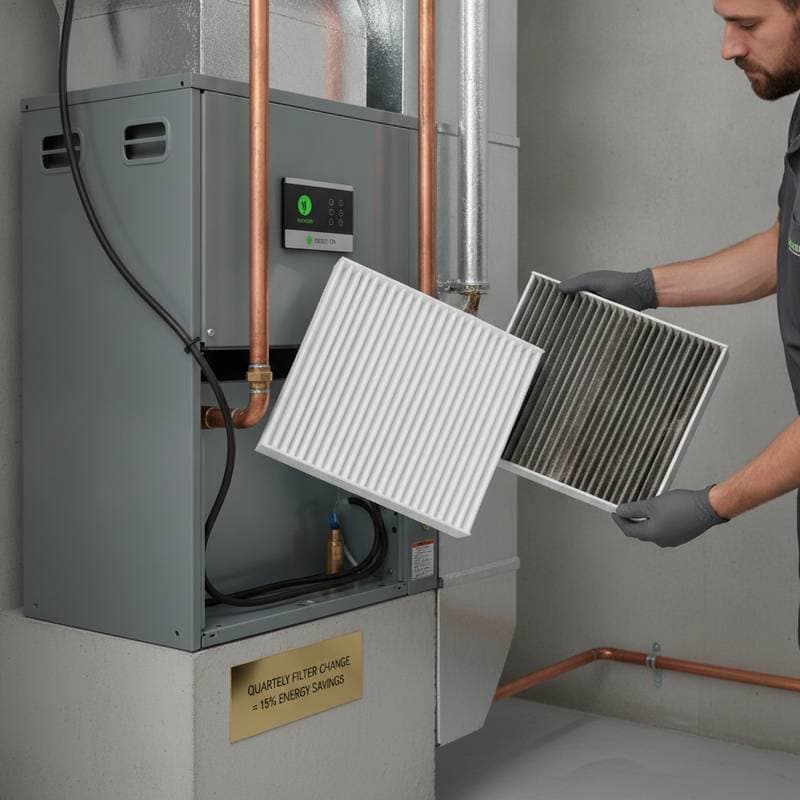
In typical households, exchanges occur every one to three months. Advanced MERV filters demand vigilant monitoring, as they accumulate particles more rapidly, potentially necessitating monthly inspections during peak allergen seasons.
Do all systems accommodate high MERV filters?
Compatibility varies. Legacy units often lack sufficient fan horsepower to overcome dense filter resistance. Review equipment manuals or engage a specialist for airflow calculations.
Does a superior MERV filter elevate energy consumption?
Increased resistance can prompt higher fan speeds, thus raising usage. Balance this through periodic cleanings, duct optimizations, and energy-efficient motor upgrades to counteract any uptick.
What consequences arise from disregarding the regulations?
Subpar air quality persists, alongside potential system overwork and diminished efficiency. Certain jurisdictions impose fines or bar certification renewals for nonadherent properties.
Suitability of washable filters?
Washable variants offer convenience for preliminary filtration, yet their MERV ratings seldom exceed 8. For stringent standards, disposable high-MERV options deliver more reliable particle capture.
MERV versus HEPA filtration?
HEPA surpasses MERV 16 in capturing submicron particles, ideal for allergy sufferers or cleanrooms. Implementation requires robust blowers to avert severe airflow drops, unlike standard MERV integrations.
Odor elimination with high MERV filters?
They address particulate sources of odors effectively, but activated carbon variants excel at volatile compounds. Hybrid filters combining both technologies yield comprehensive air purification.
Upgrades feasible without full HVAC replacement?
Affirmative in most scenarios. Install auxiliary filter housings or recalibrate fan curves to support denser media, preserving the core system's viability.
Maintenance practices for optimal air quality?
Conduct duct cleanings biennially, seal envelope leaks, and arrange yearly professional audits. Regulate humidity between 30 and 50 percent to suppress microbial proliferation.
Determining filter dimensions?
Gauge the existing slot precisely or reference the unit's documentation. Ill-fitting filters enable air bypass, undermining filtration efficacy and straining components.
Strategies for 2026 Compliance Preparation
Navigating HVAC enhancements requires methodical planning rather than hasty overhauls. Initiate assessments of the present configuration and implement incremental improvements ahead of enforcement dates.
Step 1: Conduct System Evaluation
Examine filter compartment dimensions, blower specifications, and baseline airflow metrics. This analysis identifies the maximum viable MERV rating without compromising performance.
Step 2: Validate Airflow Post-Installation
Observe ventilation adequacy in distant rooms following a trial filter upgrade. Weakness signals the need for professional airflow diagnostics and adjustments.
Step 3: Establish Replacement Protocols
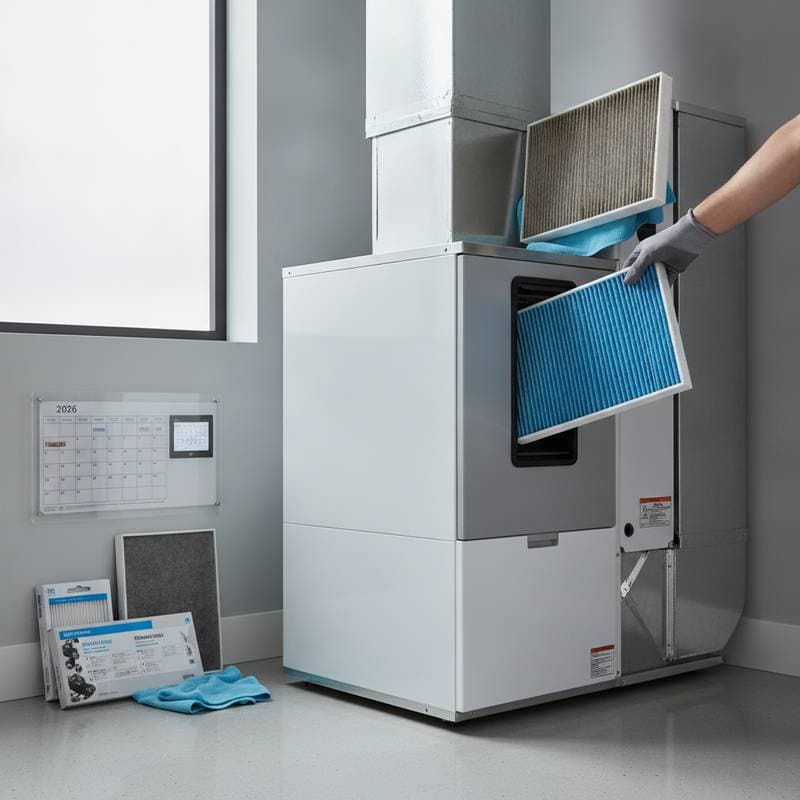
Integrate reminders into digital calendars or leverage smart thermostat notifications for timely interventions, ensuring sustained filtration integrity.
Step 4: Allocate Resources for Enhancements
Account for premium filter pricing, yet recognize offsets from reduced medical visits and prolonged equipment durability. Explore bulk purchasing for cost efficiencies.
Step 5: Commit to Ongoing Servicing
Book annual tune-ups to monitor filtration adherence, recalibrate controls, and preempt efficiency losses, aligning with evolving standards.
Achieving Sustained Indoor Air Excellence
Embracing the 2026 MERV mandates presents a pathway to superior home health. Through strategic filter selections, airflow optimizations, and timely professional consultations, individuals secure efficient operations and revitalized indoor atmospheres that nurture well-being daily.