Establish an Effective Fall Roof Moss Prevention Routine
Moss growth on roofs poses a subtle yet significant threat, as it erodes shingles, retains excess moisture, and accelerates overall deterioration. Autumn emerges as the optimal season for intervention, given the drop in temperatures and rise in humidity that foster moss proliferation. A structured prevention approach maintains a pristine roof surface, safeguards structural investments, and minimizes expenditures on subsequent restorations.
This comprehensive guide delineates how to formulate a robust fall moss prevention plan, highlights essential procedures, recommends suitable materials, and identifies scenarios requiring expert assistance.
Step 1: Conduct a Thorough Roof Inspection
Initiate the process with a meticulous evaluation to detect moss in its nascent stages. Search for verdant discolorations or velvety accumulations, particularly in shadowed regions. Focus on north-oriented slopes or zones beneath tree limbs, where reduced sunlight promotes development.
Key inspection elements include:
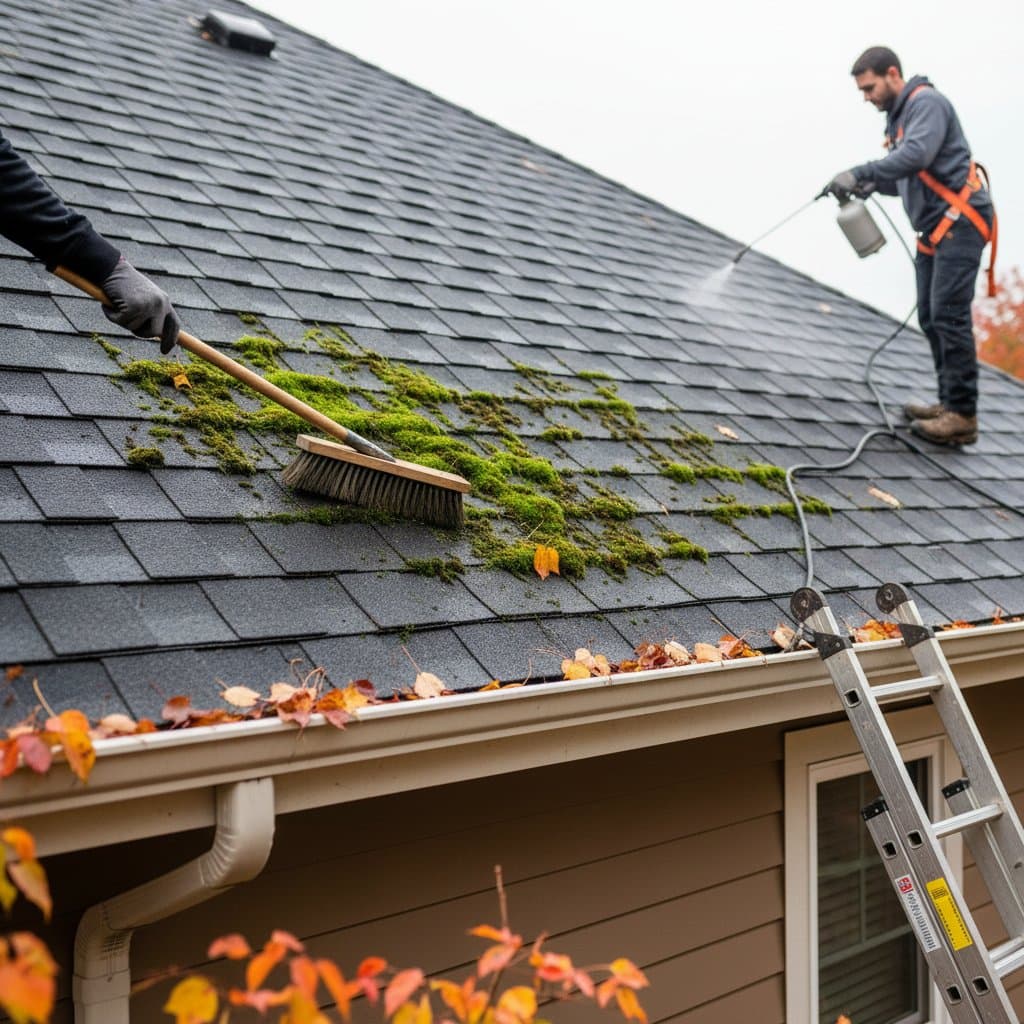
- Clearance of foliage, branches, and detritus employing a gentle-bristled brush or air expulsion device. Refrain from high-pressure rinsing methods, which may compromise shingle integrity.
- Verification of gutter and spout functionality to ensure unimpeded water evacuation.
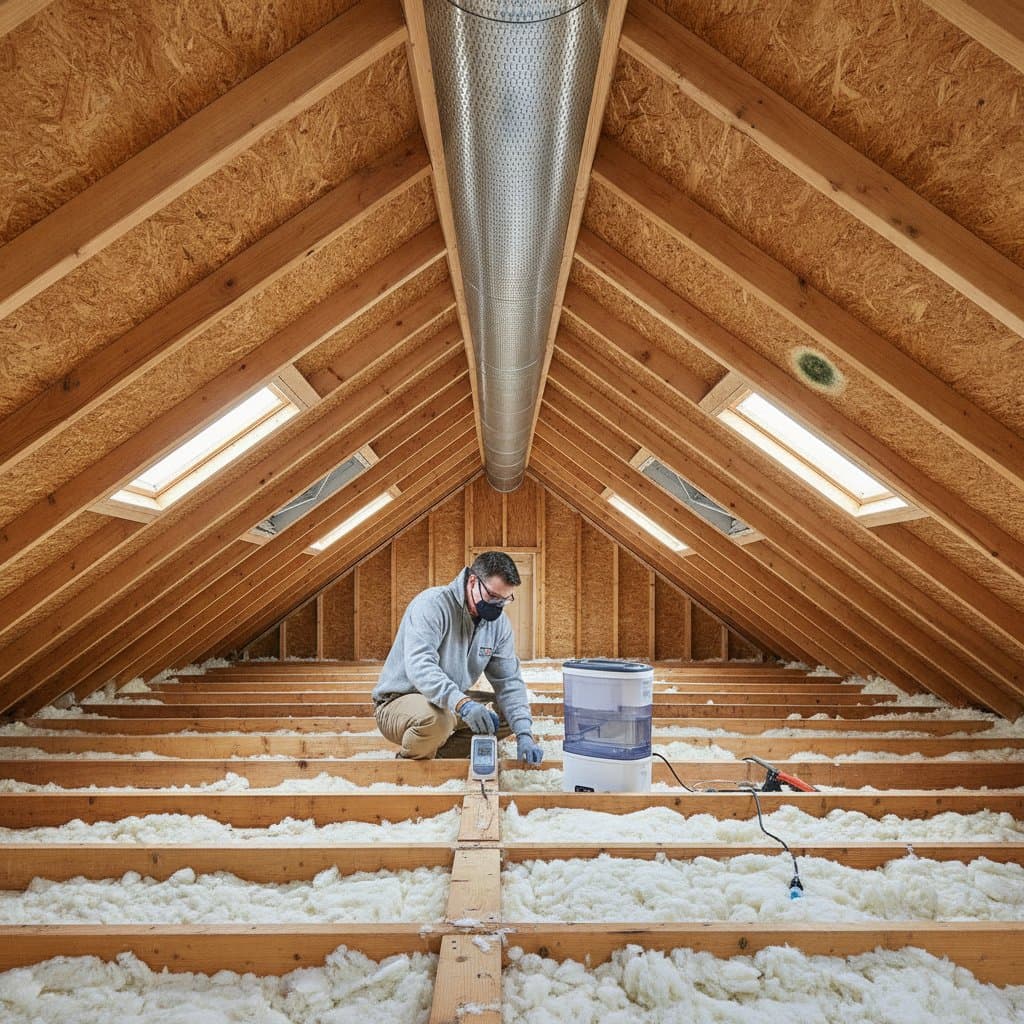
- Examination of sealant joints and ventilation outlets for residue accumulation, as these locales harbor dampness.
- Identification of fractured shingles or vulnerable areas susceptible to moss-induced exacerbation.
A cleared surface optimizes the efficacy of subsequent applications. For elevated or inclined roofs, engage a certified roofing specialist during this phase. Experts utilize secure anchoring systems and elongated implements to mitigate accident hazards.
Step 2: Perform Targeted Cleaning
Following inspection, address visible moss and debris through gentle removal techniques. Moss thrives in moist environments, so prioritize drying the surface post-cleaning to inhibit regrowth. Employ a mixture of water and mild detergent for stubborn spots, applying it with a soft brush to avoid abrasion.
Select tools suited to your roof type: for asphalt compositions, use plastic scrapers; for metal surfaces, opt for non-abrasive pads. Work in sections, starting from the eaves and progressing upward, to prevent dislodged material from reaccumulating below. Allow the roof to air-dry completely, ideally over a dry day, before advancing to treatment. This step not only removes existing growth but also prepares the substrate for protective measures, enhancing their longevity.
Step 3: Deploy Moss Prevention Treatments
With the roof cleansed and arid, introduce a deterrent agent to curb future colonization. Various formulations exist, each offering distinct benefits in terms of application ease, duration, and ecological footprint.
Recommended treatment categories:
- Metallic ion strips: Zinc or copper variants emit inhibitory particles as precipitation cascades across them. Position these along the peak for comprehensive runoff distribution, providing years of passive defense.
- Chemical suppressants: These solutions, offered in diluted or pre-mixed forms, establish a repellent coating that repels spore adhesion. Apply via pump sprayer for uniform coverage, targeting a 10- to 15-foot band from the ridge downward.
- Natural alternatives: Biodegradable options, such as those derived from potassium-based compounds, deliver efficacy without harsh residues. These suit environmentally conscious households and integrate seamlessly with organic gardening practices.
Adhere strictly to product guidelines prior to deployment. Equip yourself with protective handwear, ocular shields, and traction footwear. Withhold application ahead of forecasted precipitation to maximize adherence and potency. For specialized roofing like clay tiles or slate, select formulations that preserve material aesthetics and strength; asphalt varieties accommodate broader options, though preliminary patch testing remains advisable.
Step 4: Evaluate DIY Feasibility Versus Professional Services
Moss mitigation qualifies as a feasible self-directed task under favorable circumstances, yet specific factors necessitate outsourced expertise. Consider safety protocols, structural configuration, and infestation extent when deciding.
Conditions favoring self-management:
- Gentle inclines with straightforward entry points.
- Isolated or minor moss occurrences.
- Availability of requisite equipment and safety apparatus.
Indicators for professional engagement:
- Pronounced slopes or complex architectures.
- Extensive moss coverage spanning multiple sections.
- Evidence of leakage, granule loss, or structural compromise.
Specialized service providers deploy calibrated rinsing apparatus and industrial-strength formulations for superior outcomes. Many extend guarantees on interventions, offering reassurance as colder months approach. Professionals also assess underlying issues, such as poor ventilation, that DIY efforts might overlook, ensuring holistic protection.
Step 5: Secure Gutters and Adjacent Surfaces
Moss propagules frequently migrate downward into drainage systems, obstructing flow and perpetuating cycles of accumulation. Post-roof treatment, irrigate gutters thoroughly and excise lingering vegetative matter. Gutter shielding devices impede foliar ingress, streamlining ongoing upkeep.
Extend vigilance to proximate elements: trim overhanging foliage to increase light exposure, and cleanse adjacent vertical planes or horizontal platforms prone to moss. This perimeter strategy curtails reinfestation sources, fortifying the roof's defenses. Regular seasonal reviews of these areas integrate into your broader maintenance regimen, promoting sustained cleanliness.
Sustain Roof Resilience Through Ongoing Vigilance
A roof serves as the primary barrier against elemental assaults, rendering moss control a prudent strategy for preserving home integrity and market worth. An orchestrated autumn protocol sequences actions from assessment to fortification, yielding compounding advantages.
Diligent adherence to this framework equips homeowners to preempt extensive interventions, averting substantial financial burdens. Whether executing independently or collaborating with specialists, autumn presents the prime juncture to fortify your shelter, ensuring enduring durability and aesthetic appeal.