
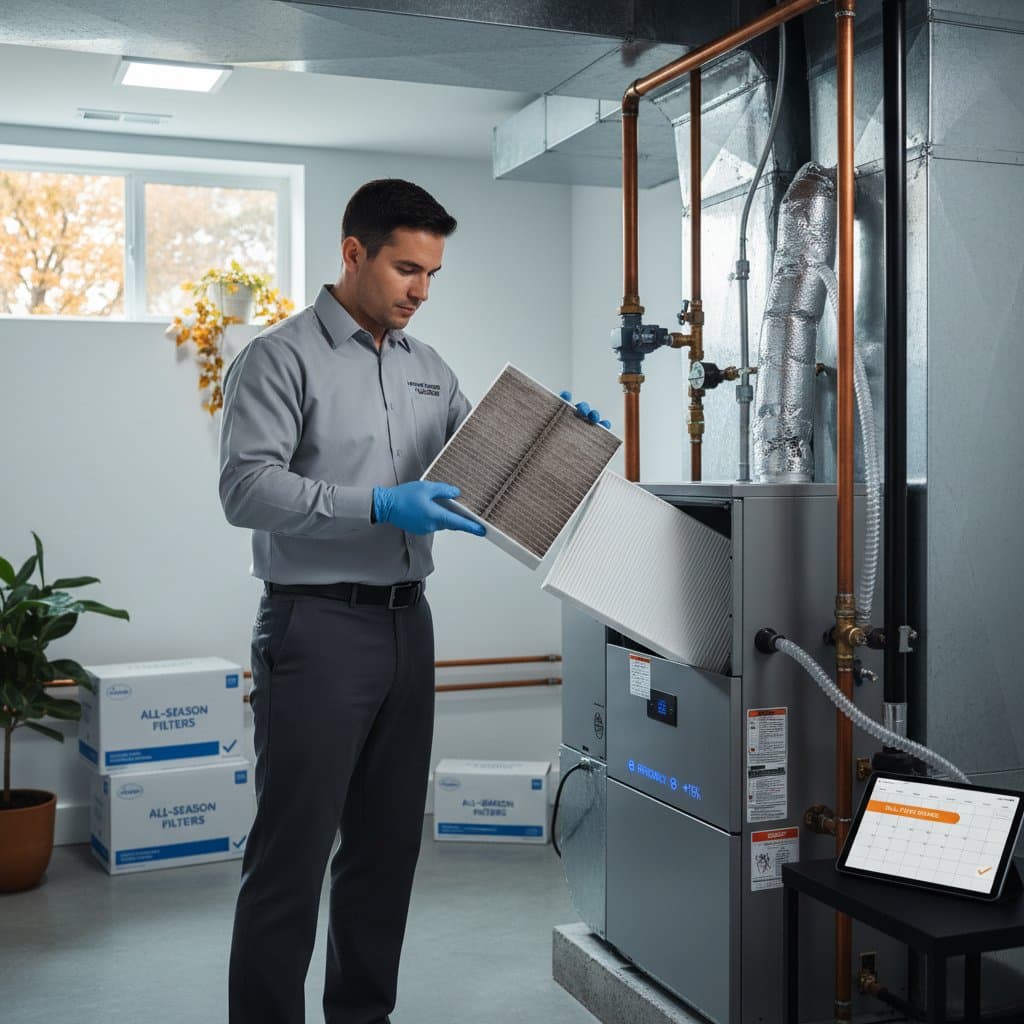
Why Fall Filter Changes Matter for Your HVAC System
As autumn brings cooler temperatures, your heating system shifts into higher gear. A clogged or outdated filter forces the blower to work harder, increasing energy use and straining components. Regular replacement can reduce energy consumption by up to 15 percent, according to efficiency studies, while extending equipment life.
Homeowners often overlook this simple task, yet it delivers immediate benefits. Clean filters maintain steady airflow, prevent dust accumulation, and ensure even heating throughout the home. Start the season strong by addressing filters now.
Understanding Filter Costs and Stocking Up
Filters vary in price based on type, size, and efficiency rating, typically ranging from 5 to 50 dollars each. Basic fiberglass options fall at the lower end, while advanced pleated or HEPA models cost more but offer superior performance.
For homes with large HVAC units or multiple return vents, replace all filters simultaneously to promote balanced airflow. Stock several spares in your utility area, particularly during fall when demand surges at stores. This preparation avoids last-minute rushes and potential system downtime.
Professional Maintenance Versus DIY Replacement
Handling Replacements Yourself
Most residential filter changes require minimal tools and take under 10 minutes. Locate the filter slot near the return duct or furnace, slide out the old unit, and insert the new one with the airflow arrow pointing toward the blower. Test the system briefly to confirm smooth operation.
Select filters matching your system's dimensions, usually listed on the existing unit or in the manual. If unsure, measure the slot precisely to avoid gaps that reduce effectiveness.
Benefits of Professional Inspections
While DIY works for routine swaps, schedule a technician visit each season for comprehensive checks. Professionals assess airflow balance, detect duct leaks, and evaluate blower efficiency. They also measure static pressure to verify that the filter does not impede air movement.
Rapid clogging signals underlying issues like duct leaks or mismatched filter sizes. In such scenarios, experts recommend upgrades to higher MERV-rated filters or supplementary air purifiers. These adjustments minimize dust ingress and sustain long-term performance.
Enhancing Indoor Air Quality Through Filter Maintenance
Filters serve as the first line of defense against indoor pollutants. They capture dust, pollen, pet dander, and microbes that circulate via the HVAC system. The Environmental Protection Agency notes that indoor air often holds two to five times more contaminants than outdoor air, making filtration crucial.
Regular changes significantly cut allergens and fine particles, easing breathing for allergy sufferers and those with asthma. Opt for pleated or electrostatic filters over basic fiberglass for finer capture without excessive restriction. Pair these with standalone purifiers in high-traffic rooms for comprehensive coverage.
This multi-layered strategy maintains fresh air year-round, particularly as windows close and indoor time increases in fall.
Avoiding Common Filter Replacement Errors
Homeowners frequently encounter pitfalls that undermine HVAC efficiency. Address these to maximize benefits:
- Incorrect sizing. An ill-fitting filter permits unfiltered air to pass, diminishing protection and raising costs.
- Reversed installation. Align the airflow arrow toward the blower; otherwise, the filter blocks rather than aids circulation.
- Delayed timing. Postponing changes during peak seasons reduces efficiency and accelerates wear.
- Inappropriate efficiency levels. High-MERV filters may strain older systems; consult specifications to match capabilities.
- Ignoring surrounding areas. Clean return vents and registers before installation to prevent quick re-clogging.
Establish a maintenance log or use smart thermostat alerts to track schedules. Consistency eliminates oversights and supports reliable operation.
Establishing an Effective Fall Replacement Schedule
Time filter changes just before transitioning from air conditioning to heating, ideally in early fall. This practice ensures the furnace operates at full capacity from the first cold snap.
Adjust frequency based on household needs: inspect monthly for homes with pets, heavy traffic, or dusty environments. Lighter-use households with efficient filters can extend to every two or three months. Monitor visual dirt levels or use a simple airflow test to gauge necessity.
Aim for unrestricted, clean airflow as winter approaches. This proactive step optimizes performance and prepares the system for extended runtime.
Safeguarding Long-Term System Health
Routine filter maintenance prevents common failures like motor overheating and component strain. By reducing resistance, clean filters lower electricity demands and minimize repair needs.
This habit can prolong HVAC lifespan by years, delaying costly replacements. If considering a system upgrade, current maintenance preserves duct integrity and aids accurate assessments during professional evaluations.
Document replacement dates and filter types for reference. Such records prove invaluable when troubleshooting or discussing performance with service providers.
Securing Comfort and Savings This Heating Season
Prioritize fall filter replacements to safeguard your HVAC investment. This straightforward action boosts efficiency, refines air quality, and curbs energy expenses as temperatures fall. Commit to regular upkeep, whether through personal effort or expert support, for sustained home comfort.




