Introduction to HVAC Filter Maintenance
Homeowners often overlook HVAC filter replacement, yet this simple task significantly impacts system performance and energy consumption. Studies indicate that dirty filters force HVAC systems to work harder, increasing energy use by up to 15 percent. Regular swaps not only optimize efficiency but also promote healthier indoor air by trapping dust, pollen, and allergens.
A clean filter allows unrestricted airflow, which reduces strain on the blower motor and compressor. This leads to lower utility bills and fewer breakdowns. In the context of seasonal changes, addressing filters promptly ensures your heating system operates at peak capacity during colder months.
When to Replace HVAC Filters
Timing plays a crucial role in maintaining HVAC efficiency. Most manufacturers recommend replacing standard filters every one to three months, depending on usage and environmental factors. Homes with pets, high dust levels, or multiple occupants require more frequent changes to prevent buildup.
Signs that indicate an immediate replacement include reduced airflow from vents, unusual noises from the system, or a noticeable increase in dust around the home. During fall, inspect filters before activating heating mode, as cooler weather increases reliance on the system. Setting a quarterly reminder helps establish a consistent routine.
DIY Versus Professional Filter Replacement
Performing the Replacement Yourself
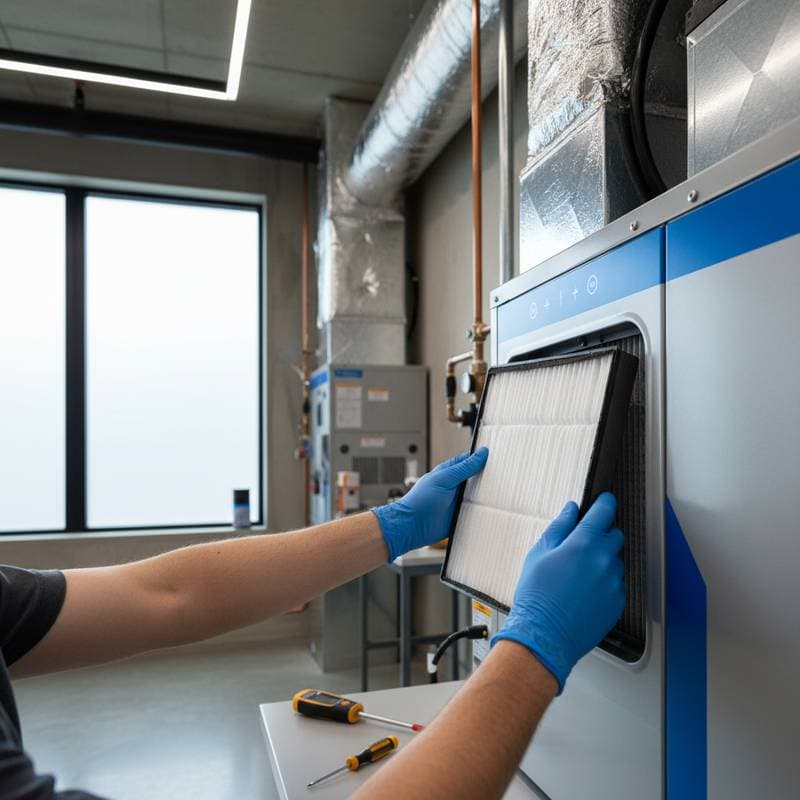
Most residential HVAC systems feature accessible filter slots, making self-replacement straightforward. Begin by locating the filter compartment, typically near the return air duct or furnace. Turn off the power to the unit for safety, then slide out the old filter and note its size and airflow arrow.
Select a compatible replacement with the correct dimensions, such as 16x25x1 inches for standard units. Insert the new filter with the arrow pointing toward the blower to ensure proper airflow direction. This process takes under five minutes and empowers homeowners to manage maintenance independently.
Homeowners benefit from this approach through cost savings and familiarity with their system. Track replacements by noting the installation date on the filter edge or using a digital app for alerts.
Situations Requiring Professional Assistance
Certain scenarios warrant calling an HVAC technician. If the system involves multiple filters in concealed locations, such as attics or crawl spaces, professional tools and knowledge prevent damage. Suspected issues like mold growth or excessive moisture in the housing demand expert inspection to avoid health risks.
Individuals with severe allergies may prefer technician installation of advanced filters to minimize exposure. Additionally, if the system exhibits symptoms like short cycling or uneven heating post-replacement, underlying problems such as clogged ducts or faulty components require diagnosis. Professionals often bundle filter service with comprehensive checks of coils, thermostats, and refrigerant levels.
This proactive step identifies inefficiencies early, potentially saving hundreds in repair costs over time.
Advantages of Fall Filter Replacement
Fall marks an ideal period for HVAC maintenance due to the transition from cooling to heating. As temperatures drop, the system shifts focus to distributing warm air, amplifying the importance of clear airflow paths.
-
Optimizes Winter Performance: Fresh filters facilitate smooth operation under increased heating loads, preventing overworking of components.
-
Captures Seasonal Pollutants: Open windows in mild autumn weather introduce leaves, pollen, and outdoor dust. New filters trap these contaminants, reducing indoor circulation and allergy triggers.
-
Regulates Indoor Humidity: Proper airflow from clean filters helps manage moisture, inhibiting mold and mildew development in ducts and evaporator coils.
-
Prolongs Equipment Longevity: By minimizing resistance, regular replacements lessen wear on fans and motors, potentially extending system life by years.
Incorporating this task into fall preparations aligns with broader home winterization efforts, such as sealing drafts and testing smoke detectors.
Selecting the Right Filter for Your System
Filters vary by efficiency rating, measured in MERV (Minimum Efficiency Reporting Value) from 1 to 16. Basic fiberglass filters (MERV 1-4) suit standard needs but capture minimal particles. Pleated filters (MERV 8-13) offer better filtration for allergens without excessive pressure drop.
High-MERV options (13-16) excel at trapping fine particles like smoke but may restrict airflow in older systems, leading to higher energy use. Consult your HVAC manual or a professional to match the filter to your unit's specifications. For energy savings, prioritize filters certified by ENERGY STAR for balanced performance.
Budget considerations include disposable versus reusable options. While reusables reduce waste, they demand thorough cleaning to maintain efficacy. Test a higher-grade filter gradually to monitor system response.
Advanced Maintenance Strategies
Beyond basic swaps, integrate complementary practices for maximum benefits. Monthly visual inspections reveal early signs of clogging, even with long-life filters rated for six months. During peak seasons, increase checks to bi-weekly.
Pair filter changes with thermostat adjustments for further efficiency. Programmable models that lower temperatures when away complement clean filters by reducing runtime. Vacuum around return vents quarterly to prevent debris accumulation.
For comprehensive care, schedule biennial professional duct cleaning. Accumulated dust in ducts undermines filter efforts, harboring bacteria and reducing airflow. Technicians use specialized tools to remove buildup safely, restoring optimal circulation.
Monitor energy bills post-replacement; a 10-15 percent drop confirms improved efficiency. Persistent issues, like frequent on-off cycles, signal deeper airflow problems warranting further investigation.
Long-Term Value of Consistent Care
Investing time in HVAC filter maintenance yields substantial returns in comfort, health, and savings. This low-effort practice safeguards against unexpected failures during harsh winter conditions. Homeowners who prioritize it enjoy reliable warmth, fresher air, and diminished environmental impact through reduced energy demands.
Establishing a seasonal ritual transforms maintenance from a chore into a strategic habit. Over years, these efforts compound, yielding a more resilient system and a healthier living space.