Essential Fall Preparation for Chimney Safety
As temperatures drop and families anticipate the comfort of hearth fires, chimney preparation emerges as a critical yet frequently neglected step. A well-maintained fireplace delivers warmth and ambiance, yet improper care transforms it into a potential danger zone. Fall provides the ideal window for thorough inspections and cleanings, allowing systems to operate safely and efficiently throughout the heating period.
The Importance of Chimney Maintenance
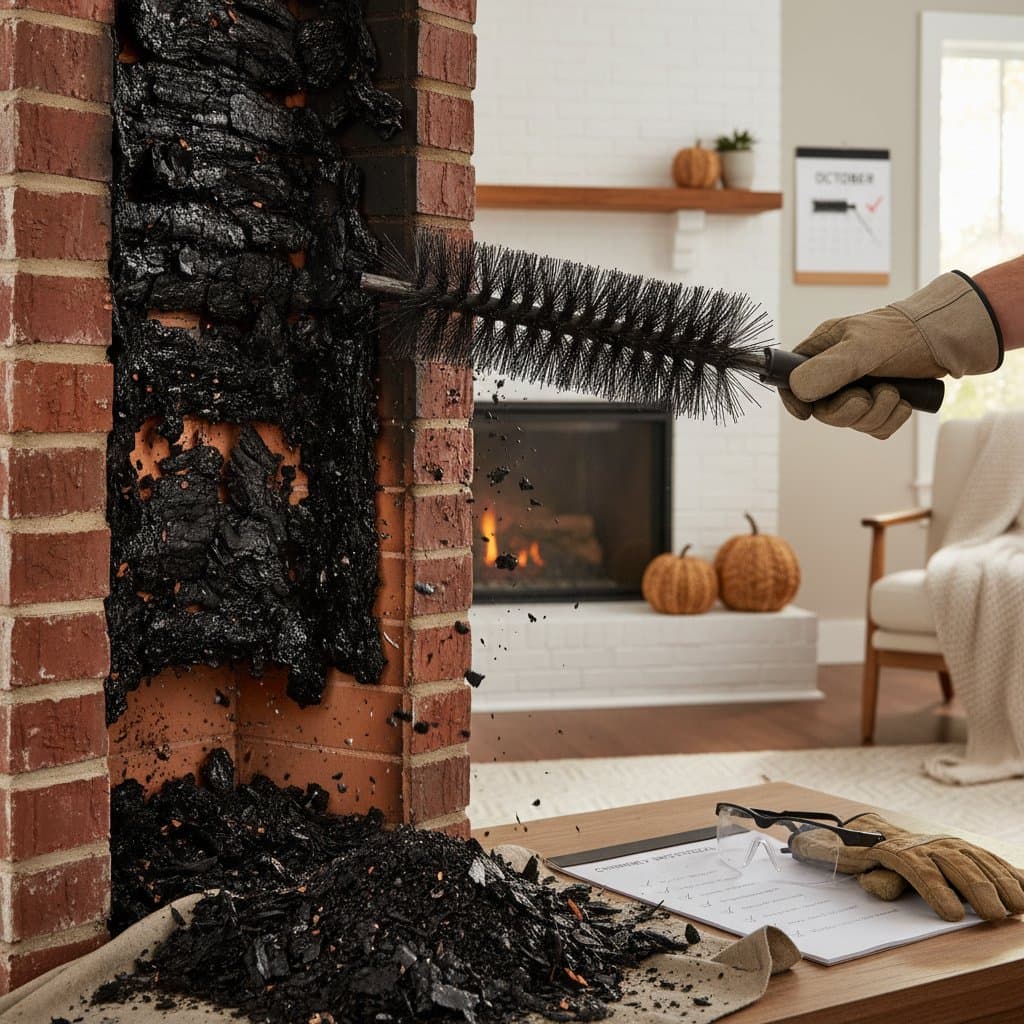
Chimneys serve as vital ventilation pathways, expelling smoke, heat, and toxic gases from the home. Over time, combustion residues like soot and creosote—a highly flammable, tar-like substance from wood burning—coat interior surfaces. When ignited, creosote fuels intense chimney fires that can spread to surrounding structures, endangering lives and property.
Routine maintenance uncovers structural vulnerabilities, including mortar cracks, deteriorating bricks, or flue blockages, averting escalation into major issues. Such diligence not only minimizes fire hazards but also optimizes airflow for better fuel efficiency and reduced heating costs.
Breaking Down Costs for Fall Chimney Preparation
Costs for chimney services fluctuate based on fireplace type, chimney height, and creosote levels. Professional cleanings typically range from $150 to $400 for standard single-story homes, escalating to $500 or more for multi-story or complex setups requiring additional equipment.
Opting for DIY methods involves purchasing brushes, rods, vacuums, and safety harnesses, often totaling $100 to $300 initially, plus ongoing replacements. However, these approaches frequently overlook concealed problems, leading to repeated efforts or emergency repairs that inflate long-term expenses. Professionals deliver comprehensive results, justifying their fees through expertise and liability coverage.
Key Factors Affecting Chimney Service Costs
- Fuel Type: Wood fires generate substantial creosote, unlike cleaner-burning gas or oil systems.
- Usage Intensity: Fireplaces in frequent use demand cleanings every 50 to 100 burns.
- Access Challenges: Elevated or sloped roofs necessitate specialized rigging, adding $50 to $200 per job.
- System Condition: Addressing cracks, installing liners, or removing nests can increase costs by 20 to 50 percent.
Balancing DIY and professional options requires accounting for labor time—professionals finish in 1 to 3 hours—against the hazards of incomplete work.
DIY Versus Professional Cleaning: Informed Decision-Making
Pursuing a DIY Cleaning
Homeowners equipped with extendable rods, wire brushes, and shop vacuums can tackle surface-level soot removal from the firebox and lower flue. This method suits light maintenance for low-usage fireplaces, ideally supplementing annual professional services.
Advantages of DIY Cleaning:
- Minimal direct expenses beyond tool investments
- Scheduling on personal timelines
- Hands-on involvement fostering familiarity with the system
Disadvantages of DIY Cleaning:
- Need for costly, purpose-built tools and protective equipment
- Height-related dangers, including falls from unstable ladders
- Potential to overlook deep-seated creosote or structural flaws
Benefits of Professional Services
Certified sweeps employ industrial vacuums, rotating brushes, and endoscopic cameras to scour the entire flue length and inspect inaccessible areas. They evaluate components like the chimney crown, flashing, and spark arrestor for weatherproofing and functionality.
Advantages of Professional Cleaning:
- Complete removal of all deposits and thorough damage assessment
- Mitigation of carbon monoxide leaks and fire ignition sources
- Recommendations for repairs, such as tuckpointing or cap installation
Drawbacks of Professional Cleaning:
- Upfront fees that vary by region and provider
- Possible wait times during peak fall seasons
Professionals prove indispensable for high-use homes, offering warranties on work and compliance with safety codes.
Common Questions on Chimney Safety
How Frequently Should Chimneys Undergo Cleaning?
Annual cleanings suffice for moderate use, defined as one cord of wood per season. Intense usage, such as daily fires, warrants inspections every three to six months to manage creosote layers.
How Do Soot and Creosote Differ?
Soot appears as powdery black particles from partial burning, easily brushed away. Creosote, conversely, hardens into a glassy or flaky substance, resisting removal and posing ignition risks at temperatures as low as 450 degrees Fahrenheit.
What Indicators Suggest a Cleaning Is Needed?
Persistent odors of smoke indoors, sluggish drafts pulling air downward, or blackening around the damper signal accumulation. Visible residue in the firebox or difficulty igniting fires further confirms the need.
Must Gas Fireplaces Receive Chimney Attention?
Affirmative. Even with reduced residue, vents accumulate lint, bird nests, or corrosion, impeding ventilation and raising backdraft risks.
What Protective Equipment Supports DIY Efforts?
Essential items include a stable extension ladder rated for 300 pounds, leather gloves, safety glasses, N95 respirators, and drop cloths. A spotter ensures assistance during rooftop access.
Why Install Chimney Caps?
Caps shield against precipitation, foliage, and wildlife intrusion while promoting upward draft flow. Stainless steel models last 10 to 20 years, preventing water-induced spalling in masonry.
What Comprises a Professional Inspection?
Basic evaluations examine the firebox for cracks, damper operation, flue integrity, smoke shelf cleanliness, and exterior masonry. Level-two inspections deploy cameras for internal views, identifying blockages or liner deterioration.
Which Materials Are Safe for Burning?
Select kiln-dried hardwoods like oak or maple, with moisture content below 20 percent. Prohibit softwoods, painted lumber, or synthetics, as they release creosote-promoting volatiles.
How to Respond to Chimney Cracks?
Cease fireplace operation promptly and engage a mason for evaluation. Small fissures may require sealant application; larger ones demand rebuilding to contain combustion heat.
Strategies to Minimize Creosote Formation
Source well-seasoned logs stored under cover, and sustain vigorous burns with fully opened dampers. Employ chimney fans if drafts weaken, and schedule cleanings proactively.
Permit Requirements for Repairs?
Routine sweeping needs none, but flue relining or crown reconstruction often mandates local approvals. Consult municipal codes to avoid fines.
Optimal Timing for Maintenance?
Late summer or early fall aligns with pre-winter demands, securing slots before holiday rushes.
Maintenance for Infrequently Used Fireplaces?
Infrequent use invites moisture buildup and pest activity; bi-annual visual checks prevent surprises.
Selecting a Reliable Chimney Professional?
Seek CSIA certification, verify liability insurance, and review online testimonials. Request detailed quotes outlining services rendered.
Step-by-Step Guide to Your Chimney Maintenance Decision
Step 1: Inspect Current Condition
Examine the firebox for residue layers exceeding one-eighth inch, test draft by holding lit paper near the opening, and scan the exterior for leaning or efflorescence.
Step 2: Gauge Personal Capabilities
Assess comfort with heights and familiarity with tools; novices should prioritize professional intervention to sidestep injuries.
Step 3: Compute Comprehensive Expenses
Tally tool purchases against service quotes, factoring in potential repair savings from early detection—professionals often identify issues costing $1,000 plus if ignored.
Step 4: Analyze Safety Implications
Consider slip risks on wet roofs or inhalation of particulates; statistics show thousands of annual ladder falls, underscoring expert preference.
Step 5: Finalize Your Plan
Commit to professional services for reliability, or limit DIY to accessible areas post-inspection. Regular adherence yields safer, more enjoyable firesides.
Setting Up for Effective Fall Maintenance
Streamline the process by vacuuming the hearth, relocating flammables, and securing the room against dust. Post-service, run a small test fire to confirm smooth operation.
Sustaining Chimney Health Year-Round
Integrate quarterly visual checks and annual deep cleans into routines, adapting to usage patterns. This commitment extends system lifespan, curtails energy waste, and fortifies home resilience against seasonal threats.