Breathe Easier: Implementing a Monthly HVAC Filter Schedule
Clean air represents one of the most straightforward methods to foster a comfortable and healthy home environment. The HVAC system manages heating and cooling tasks, yet the filter performs the essential duty of capturing dust, pollen, and other airborne particles that influence comfort and well-being. Numerous homeowners delay filter replacement until air circulation feels restricted or the system exhibits strain. Such practices accelerate equipment wear and elevate energy expenses. Establishing a monthly HVAC filter schedule addresses these issues by maintaining consistent air quality, enhancing system efficiency, and lowering long-term costs.
This guide details the process of developing a comprehensive annual HVAC filter schedule, selecting appropriate filters for specific home conditions, and evaluating options for self-managed replacements versus professional services.
Establishing a Monthly Filter Inspection Routine
A monthly schedule focuses on regular inspections rather than mandatory replacements every thirty days. Homeowners inspect the filter each month to assess accumulation levels, humidity impacts, or emerging odors that indicate degradation.
Follow this structured approach:
-
Conduct monthly inspections. Remove the filter, hold it against a light source, and observe whether light penetrates freely. Limited visibility signals the need for replacement.
-
Document inspection dates. Utilize a smartphone app, physical calendar, or integrated smart home alert system to track progress.
-
Schedule replacements at minimum every ninety days. Residences with pets, tobacco use, or elevated dust require changes every thirty to sixty days to sustain performance.
-
Account for seasonal variations. Dust, pollen, and humidity fluctuate across seasons, influencing filter lifespan.
This disciplined routine ensures the HVAC system operates at peak efficiency year-round and minimizes the risk of unexpected failures.
Adapting Filters to Seasonal Demands
Environmental conditions in the home evolve with each season, necessitating adjustments to the filter maintenance plan.
Spring Considerations:
Pollen, mold spores, and dust levels peak during this period. Perform inspections twice monthly, particularly in households with allergy sufferers, to capture allergens effectively.
Summer Adjustments:
Air conditioning units operate more frequently, increasing air volume through the filter. Elevated humidity accelerates clogging; conduct monthly checks and replace upon detecting diminished airflow from vents.
Fall Preparations:
Heating systems resume operation. Install a fresh filter prior to initial furnace activation to eliminate dust-burning smells and deliver pristine warm air throughout the home.
Winter Maintenance:
Sealed homes during colder weather concentrate indoor pollutants. Frequent filter evaluations counteract musty odors and promote balanced heating distribution.
Aligning inspections with these seasonal patterns integrates seamlessly into daily life while upholding system reliability.
Budgeting for Filter Expenses and Savings
Filter costs differ based on brand, construction material, and efficiency rating. Standard fiberglass options range from two to five dollars per unit, whereas advanced pleated or electrostatic varieties may cost fifteen to twenty-five dollars each.
Estimated Yearly Expenditures:
- Fiberglass filters: approximately thirty dollars annually for quarterly changes.
- Pleated filters: sixty to one hundred dollars per year, depending on frequency.
- High-efficiency particulate air (HEPA) filters: one hundred fifty to two hundred fifty dollars annually for optimal performance.
Reusable filters involve an initial investment of fifty to one hundred dollars but yield savings through monthly cleaning rather than frequent purchases. Electrostatic washable models endure for three to five years with proper care.
Energy efficiencies from clean filters counteract these outlays. Reduced system resistance lowers electricity consumption for blower and compressor functions. Regular maintenance correlates with decreased repair incidences and overall utility bill reductions of up to fifteen percent, as reported by diligent homeowners.
Detailed Guide to Filter Replacement
Follow these precise steps to replace the filter safely and effectively:
-
Power down the HVAC system. Adjust the thermostat to off or deactivate the unit switch to halt airflow during the procedure.
-
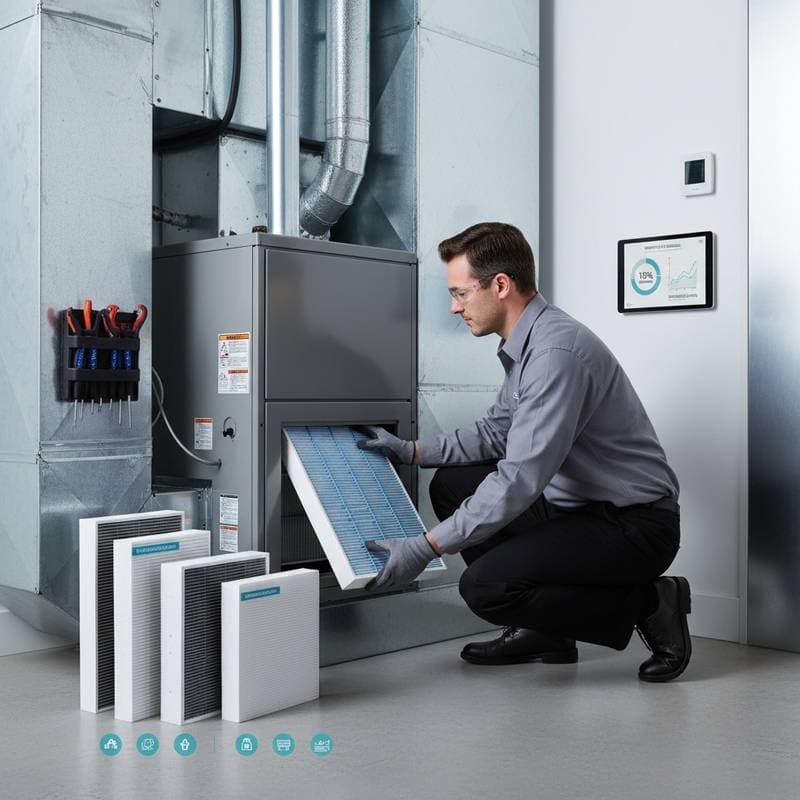
Identify the filter housing. Typical locations include the return air vent panel or adjacent to the indoor air handler unit in the attic, basement, or utility closet.
-
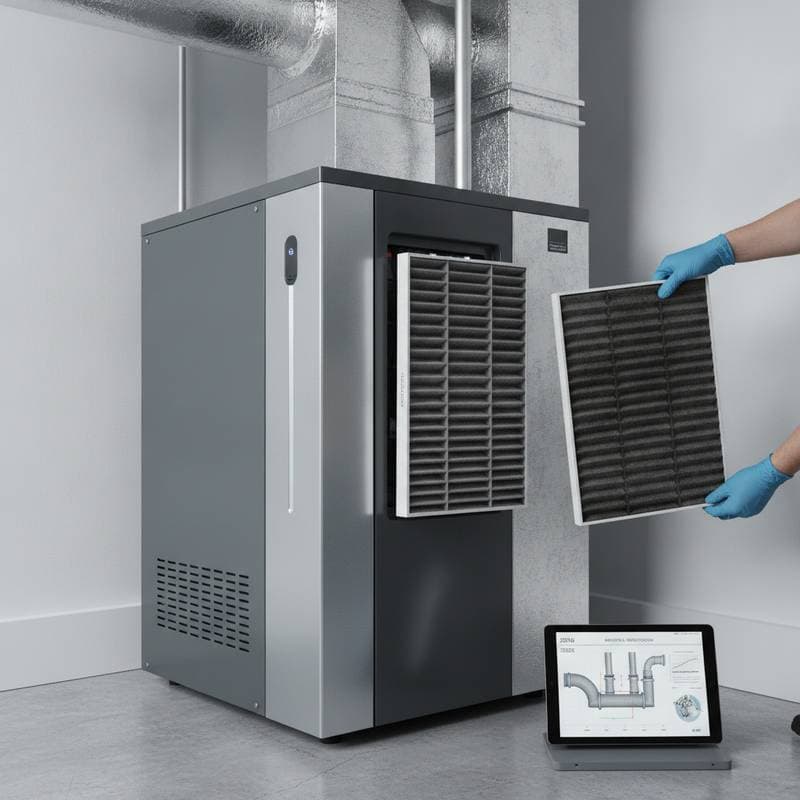
Extract the used filter. Gently slide it free to minimize dust dispersal into the living space.
-
Clean the housing area. Use a soft cloth or vacuum to remove accumulated debris from the compartment surfaces.
-
Position the new filter correctly. Align the directional arrow on the filter frame with the prevailing airflow path, typically pointing toward the furnace or evaporator coil.
-
Secure the access panel. Ensure a tight seal without gaps that could permit unfiltered air entry into the ducts.
-
Restart the system. Monitor for unobstructed operation and verify consistent airflow from registers.
Affix the installation date to the filter frame with a marker or label. This practice facilitates accurate tracking and reinforces adherence to the monthly schedule.
Indicators for Immediate Filter Replacement
Despite a structured monthly regimen, certain symptoms demand prompt intervention. Initiate replacement if these conditions arise:
- Visible dust accumulation on surfaces or vents shortly after thorough cleaning.
- Persistent unfamiliar smells emanating from the HVAC during operation.
- Worsening allergy symptoms or respiratory discomfort among occupants.
- Uneven temperature distribution creating hot or cold zones in rooms.
- A thick gray coating observable on the filter media upon inspection.
These signals point to airflow obstruction or pollutant overload. Swift response averts escalation, safeguards efficiency, and extends equipment longevity.
Essential Safety Protocols
Deactivate the HVAC system prior to any filter handling to eliminate risks from moving parts. Select filters matching the exact dimensions specified by the manufacturer; ill-fitting units permit dust to circumvent filtration and infiltrate ductwork.
Individuals prone to dust sensitivity should don disposable gloves and a particulate mask during the process. Seal discarded filters in plastic bags before disposal to contain debris. Store spare filters in a dry, shaded area, as exposure to moisture diminishes filtration capacity.
Sustaining Long-Term System Health
A dedicated monthly HVAC filter schedule extends beyond air purification to safeguard the entire system infrastructure, control energy expenditures, and enhance daily comfort. Routine inspections alleviate stress on critical components like the blower motor and compressor, averting premature failures.
Homeowners adhering to this protocol experience subdued noise levels, reduced service interventions, and uniform temperatures across living spaces. Establish automated reminders via calendar apps or smart thermostats for self-management, or opt for a professional service contract that incorporates quarterly filter services for effortless oversight.
Consistent filter care transforms home air management into a proactive habit. Through these targeted efforts, residents secure cleaner air, optimized performance, and enduring system vitality.