Understanding Greywater Systems and Their Benefits
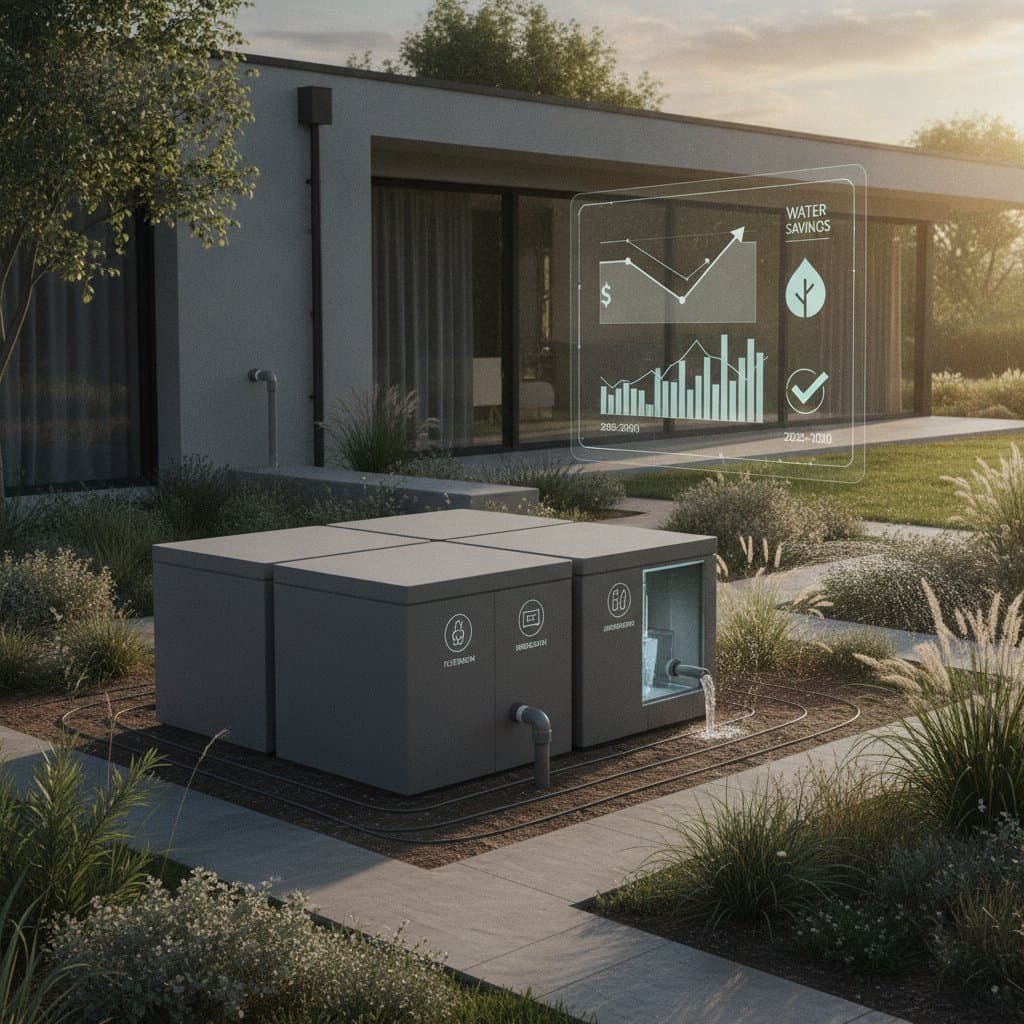
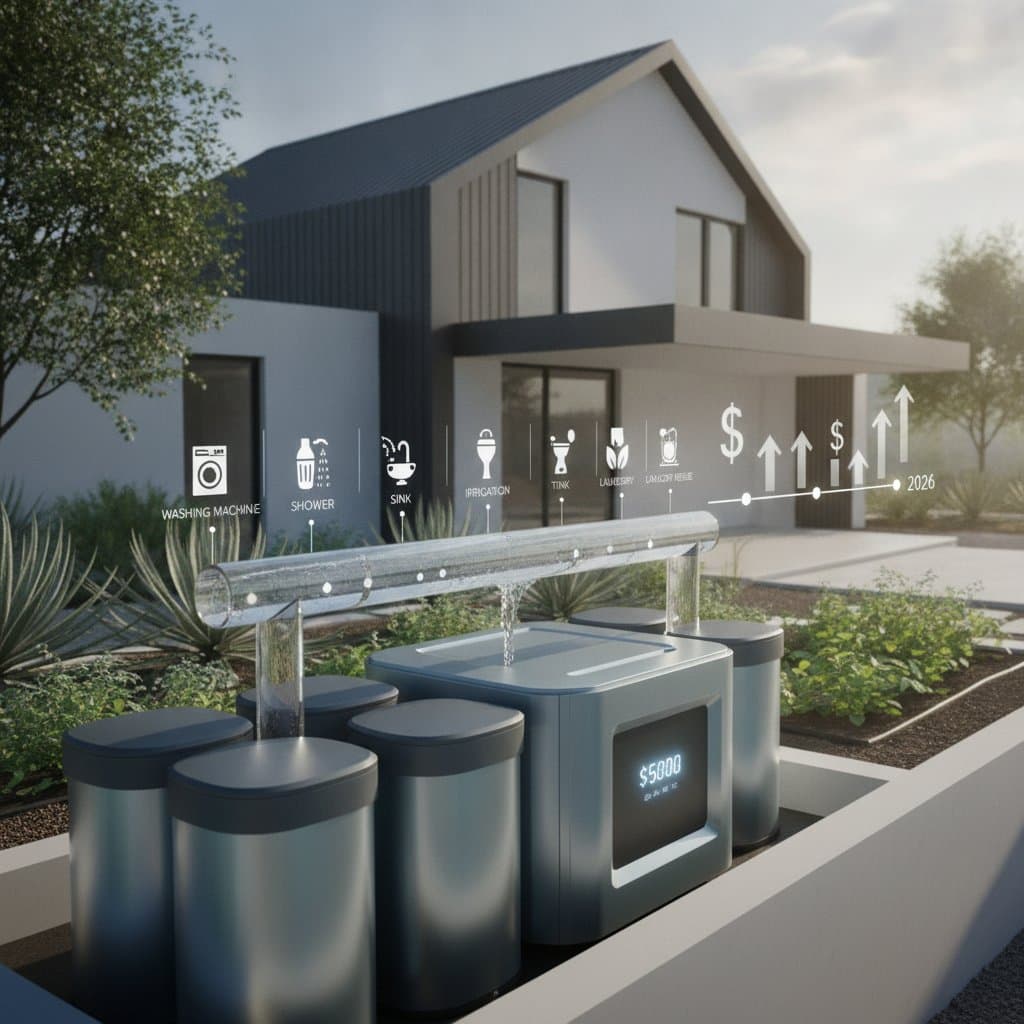
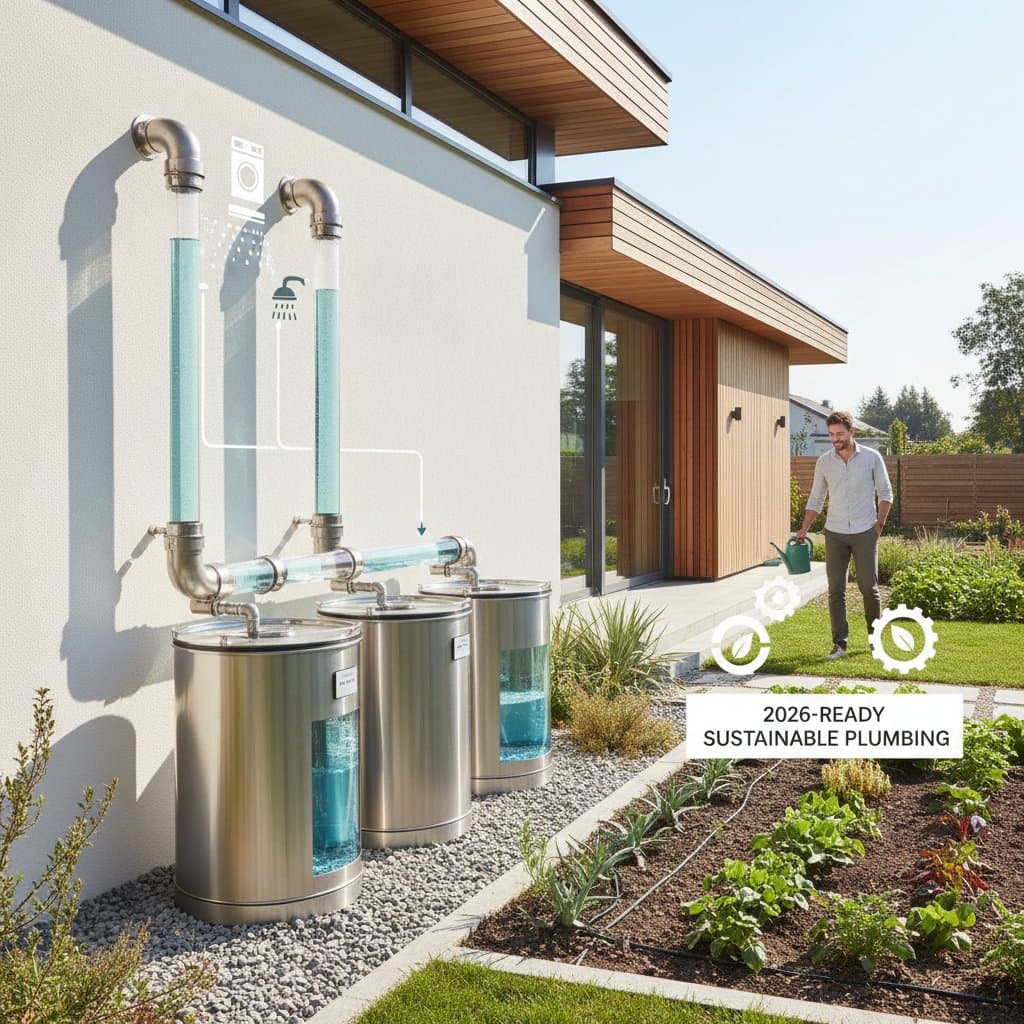
Greywater systems recycle water from household sources such as showers, sinks, and washing machines for uses like irrigation or toilet flushing. These systems divert mildly contaminated water away from the sewer, reducing overall water consumption. Homeowners who install them often achieve up to a 40 percent reduction in household water use, leading to lower utility bills and a smaller environmental footprint.
The initial investment pays off through long-term savings and potential rebates. Systems range from basic setups for landscape watering to advanced configurations with filtration and storage. Selecting the right type depends on home size, local regulations, and water needs.
Installation Costs in 2026
Greywater system costs in 2026 typically range from $1,500 to $8,000, depending on complexity and scale. Simple laundry-to-landscape systems start at the lower end, while comprehensive setups with pumps, tanks, and treatment features approach the higher range. These figures include both materials and labor but exclude regional permit fees, which can vary widely.
Factors influencing price include the number of fixtures connected, material quality, and site-specific challenges like soil type or elevation changes. For instance, adding a surge tank for storage increases costs by $500 to $1,500 but improves efficiency during peak usage. Homeowners should request detailed breakdowns from installers to identify savings opportunities.
Permit Costs Explained
Permit costs vary by city, but homeowners can expect these common fee structures:
- Flat Fee: A fixed charge of $100 to $300 for basic plumbing modifications.
- Scaled Fee: Calculated based on system capacity or project valuation, often $200 to $600.
- Inspection Fee: Charged separately at $50 to $150 for each required inspection.
In most areas, total permit and inspection costs range from $100 to $500. Larger systems, especially those tied to indoor plumbing or irrigation networks, may reach $1,000 or more. Authorities require permits to verify safe installation and prevent contamination risks.
Many local governments simplify the permit process to encourage water recycling. Some offer rebates or reduced fees for sustainable installations, cutting effective costs by 20 to 50 percent.
DIY vs. Professional Installation
When DIY Makes Sense
A simple laundry-to-landscape system suits homeowners with basic skills. This setup uses gravity-fed PVC pipes to direct washing machine water to garden beds, requiring tools like pipe cutters and connectors. DIY approaches save $2,000 to $4,000 in labor expenses.
Verify local codes before proceeding; some jurisdictions permit homeowner installations for outdoor systems only. Review plumbing diagrams and follow manufacturer guidelines to ensure proper slope and filtration. Test the system thoroughly after assembly to detect leaks early.
When to Hire a Professional
Opt for professionals on complex systems involving multiple fixtures, pumps, or tanks. Experts manage design, secure permits, and conduct inspections, guaranteeing adherence to health and building codes. Their experience minimizes risks like cross-contamination with drinking water.
Licensed plumbers identify site-specific issues, such as integrating with existing septic systems or navigating utility lines. Expect professional installation to add $1,000 to $3,000 to the project, but it enhances system durability and resale value.
Incentives and Rebates
Cities and water agencies provide rebates to offset greywater installation expenses. Programs may cover 20 to 50 percent of costs, including portions of permit fees or materials. For example, one California municipality reimburses up to $1,000 for approved systems.
A homeowner on a sustainability forum reported that a local rebate covered nearly half the cost of their laundry-to-landscape setup, making the project affordable. These initiatives promote water conservation amid growing shortages.
Research options through your city website or water department. Submit applications early, as many require pre-approval and proof of completion with photos or inspection reports.
Practical Budgeting Tips
- Obtain Multiple Quotes: Compare estimates from at least three licensed contractors, ensuring each includes permit and inspection fees.
- Allocate for Contingencies: Reserve an additional 10 percent of the budget for surprises like soil amendments or extra piping.
- Pursue Rebates Promptly: Confirm eligibility and apply before starting, as some demand permit documentation upfront.
- Integrate with Other Work: Time the installation during bathroom or laundry remodels to share labor costs and minimize disruption.
Track expenses with a spreadsheet, noting material purchases and labor hours. This approach helps identify efficiencies for future home improvements.
Ensuring Long-Term Performance
Regular maintenance sustains greywater system efficiency. Schedule filter cleanings every three months and inspect valves for leaks biannually. Monitor irrigation lines to confirm uniform water distribution and prevent clogs from lint or soap residue.
Measure monthly water usage to quantify savings; many users observe a 30 to 40 percent bill reduction in the first year. Address issues promptly to avoid costly repairs.
For system expansions, such as adding bathroom fixtures or storage capacity, revisit permitting requirements. Updates ensure ongoing compliance and safety. A reliable greywater setup not only conserves resources but also bolsters home resilience during droughts.