Optimize Indoor Air: Timing Your Fall HVAC Filter Replacement
Seasonal shifts bring essential maintenance tasks for homeowners. Among the simplest yet often neglected is replacing the HVAC filter as temperatures decline. Indoor air quality deteriorates rapidly once heating systems activate, and a fresh filter serves as the primary safeguard. Proper timing and filter selection significantly influence system performance and occupant comfort.
Reasons Fall Timing Maximizes HVAC Filter Benefits
Transitioning from air conditioning to heating mode shifts the HVAC system's role from managing warm, humid air to handling cooler, drier conditions. Accumulated dust, pet dander, and pollen from summer months can obstruct the filter, imposing strain on the entire unit. Installing a new filter prior to regular furnace operation can enhance airflow by as much as 40 percent and lower energy use by approximately 10 percent. These improvements yield purer air and reduced utility expenses during winter.
A restricted filter also retains excess moisture, fostering mold development within ductwork. Such growth releases spores into living spaces, particularly amid fluctuating humidity. Fall replacement ensures cleaner indoor environments and allows the HVAC system to operate without hindrance.
Recommended HVAC Filter Replacement Intervals
Homeowners typically replace filters every 60 to 90 days under standard conditions. Households with pets or allergy sufferers benefit from intervals of 30 to 45 days. For infrequently used properties like vacation homes, extensions to 120 days suffice. Consult the equipment manufacturer's guidelines for precise advice.
Use this reference table for guidance:
| Household Factors | Recommended Interval |
|---|---|
| Standard use, no pets | Every 90 days |
| One pet | Every 60 days |
| Multiple pets or allergies | Every 30 to 45 days |
| Infrequent use, such as vacation homes | Every 120 days |
Selecting the Optimal Filter for Autumn Conditions
Filters carry a MERV rating, denoting Minimum Efficiency Reporting Value, which spans from 1 to 20. Higher ratings indicate superior particle capture. For typical residences, ratings of 8 to 13 strike an effective balance, trapping dust, mold spores, and pollen while preserving adequate airflow.
- MERV 6 to 8: Economical choice for basic dust and lint removal.
- MERV 9 to 12: Superior capture of pollen, pet dander, and smaller particulates.
- MERV 13 and higher: Ideal for allergy or asthma management, though compatibility with HVAC fan strength is essential.
Opt for pleated filters that fit securely in the slot. Gaps as small as 1/8 inch permit unfiltered air to circumvent the filter material. Measure your current filter's dimensions—height, width, and depth—before buying replacements. Common sizes include 16x20x1 inches up to 24x30x4 inches.
Detailed Guide to HVAC Filter Replacement
This routine requires under ten minutes and minimal equipment.
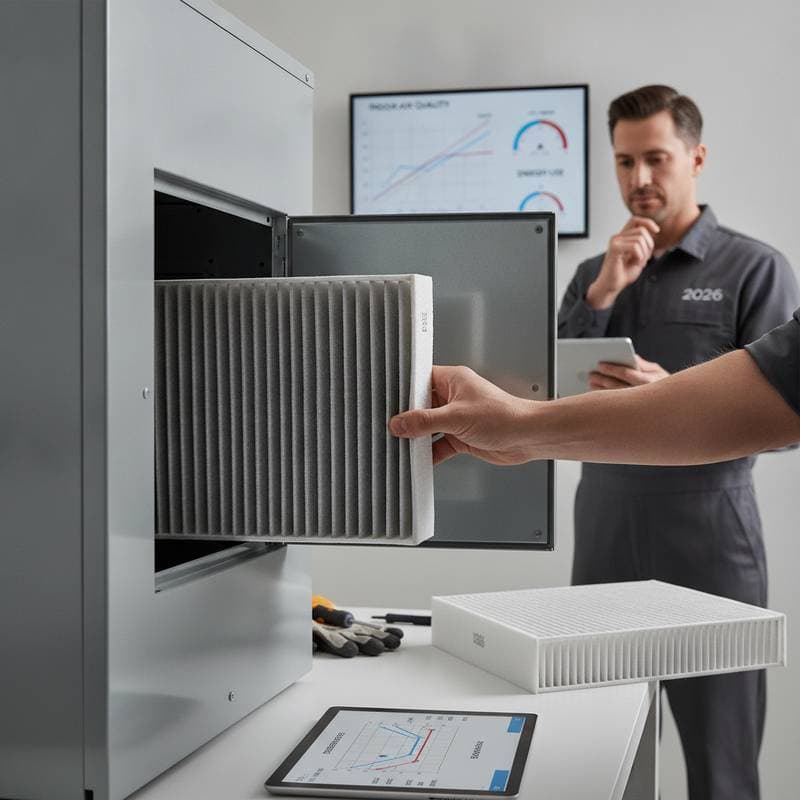
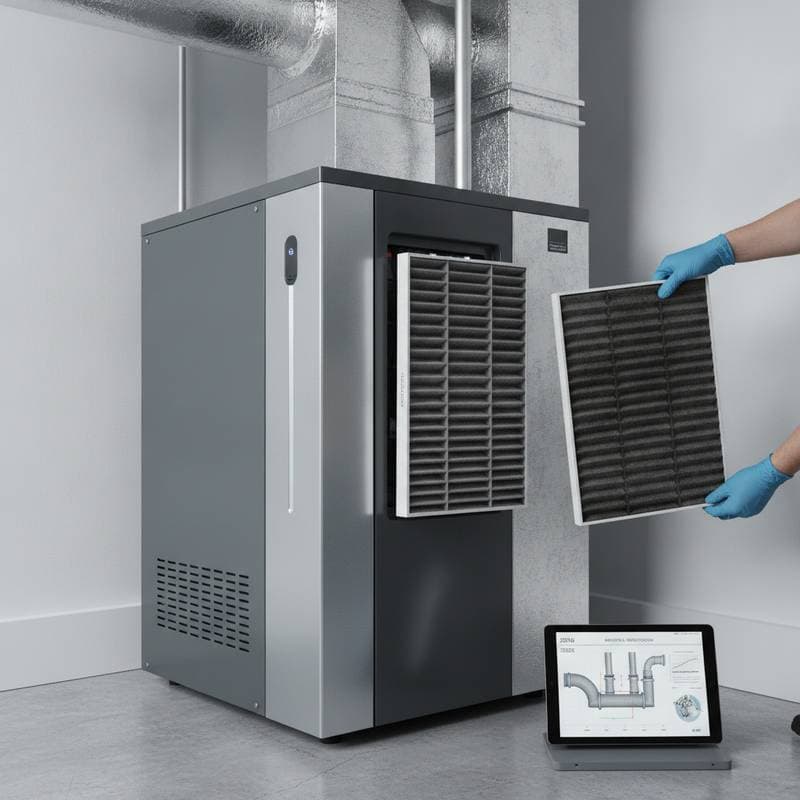
- Power down the HVAC system via the thermostat or circuit breaker to prevent dust agitation in the blower.
- Identify the filter slot, often positioned adjacent to the return air duct or within the furnace enclosure.
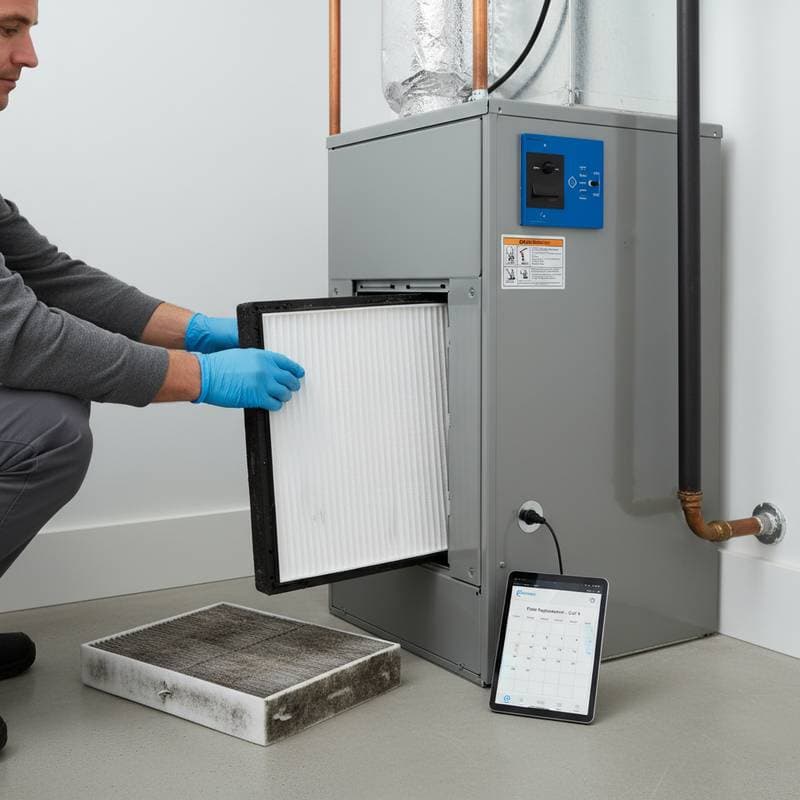
- Extract the used filter, observing the airflow arrow on its frame.
- Verify the new filter's dimensions and align the arrow toward the blower motor.
- Position the replacement filter, ensuring a tight seal along all edges.
- Restore power and activate the fan briefly to assess smooth airflow.
Record the installation date on the filter frame with a marker for effortless future scheduling.
Pitfalls That Undermine HVAC Efficiency
Subtle errors often compromise system performance without immediate notice. Steer clear of these frequent issues:
- Mismatched filter dimensions, which enable unfiltered air leakage.
- Neglecting routine visual checks, missing early signs of accumulation.
- Reversed installation, with airflow arrows directing away from the furnace or air handler.
- Overlooking seasonal demands, as filters load quicker during heating.
- Applying excessively high MERV ratings, potentially overburdening the blower motor.
Signs like dust near vents or inconsistent room temperatures signal overdue maintenance.
Deciding Between DIY Replacement and Professional Service
Filter changes qualify as straightforward DIY tasks. Yet, indicators such as soot marks on the furnace, diminished airflow, or duct mold warrant expert intervention. Technicians evaluate static pressure, motor function, and duct integrity. They also assess suitability for advanced filters without airflow compromise.
For aging equipment or constrained access, professionals can retrofit filter compartments for enhanced options. Such modifications extend equipment life and curb long-term energy expenses.
Accommodations for Accessibility and Health Needs
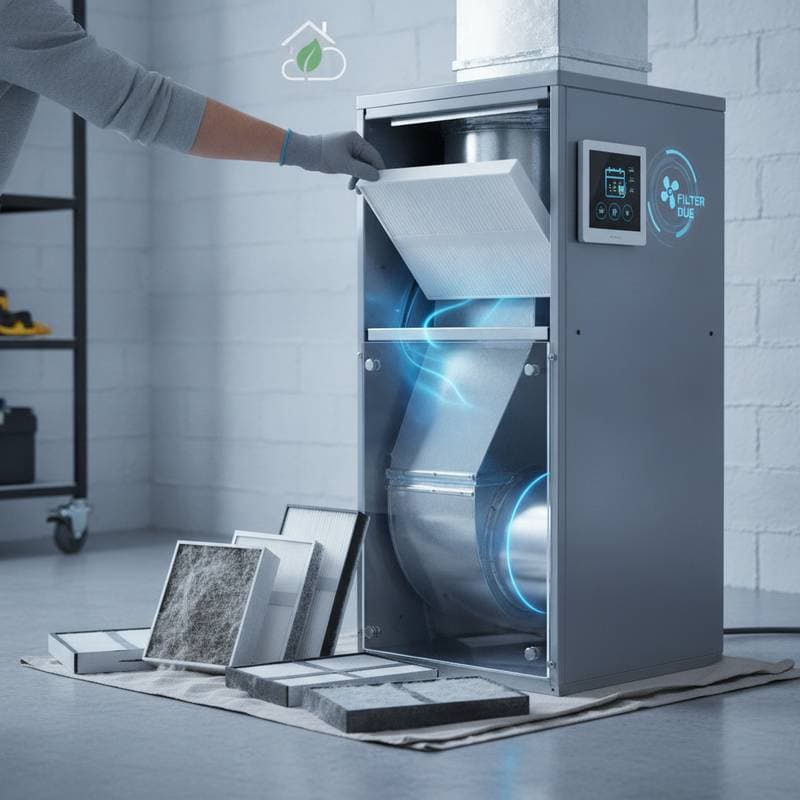
Individuals facing challenges with bending or confined spaces may prefer media air cleaners featuring front-access doors. These accommodate 4-inch filters requiring changes only every 6 to 12 months. For those with respiratory issues, select hypoallergenic or HEPA-equivalent filters with minimal airflow resistance. These options deliver robust filtration while easing system demands.
Strategies for Consistent Filter Maintenance
Schedule reminders via digital calendars or place notes on the furnace exterior. Advanced thermostats monitor airflow reductions or elapsed periods to prompt action. Diligent adherence prevents excessive buildup, averting costly repairs and sustaining peak performance.
Extend System Longevity Through Routine Care
Consistent filter management safeguards your HVAC investment, promoting reliable operation and healthier living spaces. By integrating these practices, homeowners achieve sustained efficiency, lower costs, and peace of mind across seasons.