Fall HVAC Prep: Checklist to Dodge Winter Costs
As cooler weather approaches, preparing your heating, ventilation, and air conditioning system becomes essential. Fall maintenance ensures reliable performance during the coldest months, reduces energy consumption, and minimizes unexpected repair expenses. This guide provides a step-by-step checklist to help homeowners maintain their HVAC units effectively.
Understanding HVAC System Basics
HVAC systems regulate indoor temperature and air quality in homes. These systems include furnaces, heat pumps, air handlers, and ductwork that distribute conditioned air. Regular upkeep prevents common issues such as reduced airflow, inefficient heating, and premature component failure. By addressing maintenance in fall, homeowners position their systems for optimal winter operation.
Why Fall Is the Ideal Time for HVAC Preparation
Fall offers mild temperatures that allow technicians to diagnose problems without the urgency of freezing conditions. Addressing issues now avoids breakdowns when heat is most needed. Proactive care also improves energy efficiency, which lowers utility bills throughout the heating season. Systems that receive seasonal attention often last longer, providing better return on initial investments.
Essential Fall HVAC Maintenance Checklist
Follow this ordered list of tasks to prepare your system thoroughly. Each step contributes to safety, efficiency, and longevity.
-
Replace or Clean Air Filters: Examine filters monthly during heating season, but start with a full replacement in fall. Dirty filters restrict airflow, forcing the system to work harder and increasing energy use by up to 15 percent. Select filters with a MERV rating of 8 to 13 for balanced filtration without excessive resistance.
-
Inspect and Clean Coils: Evaporator and condenser coils accumulate dirt over summer, reducing heat transfer efficiency. Gently clean coils using a soft brush or coil cleaner solution, following manufacturer guidelines. This task restores the system's ability to heat air effectively and prevents overheating.
-
Check and Calibrate Thermostat Settings: Verify that the thermostat functions accurately, as faulty units can lead to uneven heating. For programmable models, set a fall schedule that lowers temperatures when the home is unoccupied. Accurate thermostats maintain comfort while optimizing energy savings.
-
Clear Vents, Registers, and Drains: Remove dust, debris, and obstructions from supply and return vents throughout the home. Ensure condensate drains in the indoor unit remain clear to avoid water damage. Open access panels to vacuum accessible areas, promoting unrestricted airflow.
-
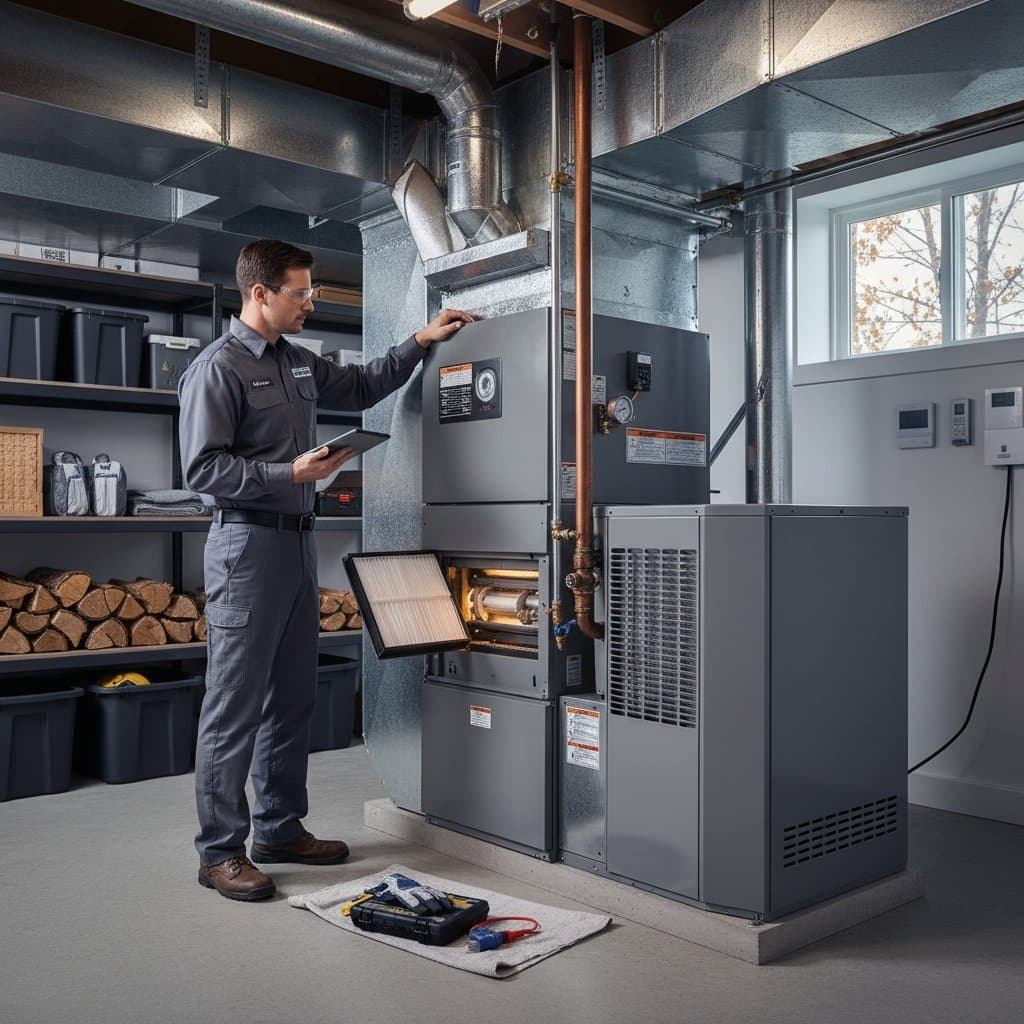
Schedule a Professional Tune-Up: Hire a certified technician for a comprehensive inspection, including electrical connections, refrigerant levels, and blower motor operation. Professionals use specialized tools to detect issues like gas leaks or worn belts. This service typically costs between 75 and 200 dollars but prevents repairs that exceed 1000 dollars.
-
Seal and Insulate Ductwork: Inspect ducts for leaks, especially in attics, basements, and crawl spaces. Apply mastic sealant or foil tape to seal gaps, and wrap exposed ducts with insulation. Properly sealed ducts can improve heating distribution by 20 percent, reducing hot and cold spots.
-
Test the Full System Operation: Run the heating mode for at least 30 minutes to check for unusual noises, weak airflow, or inconsistent temperatures. Monitor for carbon monoxide using detectors near the furnace. Early detection of problems allows for timely corrections before winter arrives.
Advanced Tips for Long-Term Efficiency
Consider upgrading to a smart thermostat if your current model lacks remote access features. These devices learn household patterns and adjust settings automatically, potentially saving 10 to 12 percent on annual heating costs. Additionally, ensure attic insulation meets recommended R-values for your climate zone to complement HVAC performance. Homeowners in colder regions should verify that the outdoor unit remains free from leaves and snow buildup as winter progresses.
Maximizing Comfort and Savings This Winter
Investing time in fall HVAC preparation yields significant benefits, from lower energy bills to enhanced indoor air quality. A well-maintained system operates quietly and distributes even warmth, creating a cozy environment. By following this checklist, homeowners avoid the stress of emergency calls and enjoy peace of mind through the season. Start these tasks early to secure a comfortable, cost-effective winter.