Why a Fall HVAC Tune-Up Matters
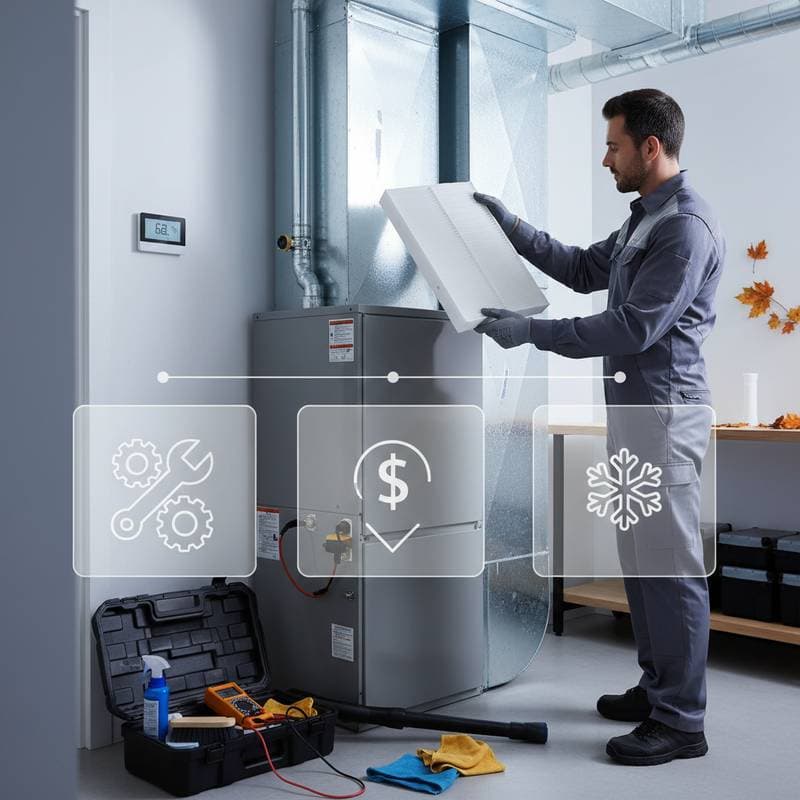
As temperatures drop, your heating system works harder to keep your home comfortable. A seasonal tune-up optimizes performance, potentially reducing energy bills by 25 percent through better efficiency and fewer repairs. This maintenance routine extends equipment life and enhances indoor air quality, providing peace of mind during cold months.
Follow these nine essential steps to prepare your HVAC system. Perform them safely, and consider professional assistance for complex tasks.
Step 1: Inspect the Furnace and Surrounding Area
Start by turning off power and gas to the furnace for safety. Examine the exterior for rust, cracks, or signs of wear on the cabinet and components. Clear debris from around the unit to ensure proper airflow and reduce fire risks.
Vacuum dust from the blower compartment and check the heat exchanger for soot buildup, which indicates incomplete combustion. If damage appears, schedule a professional inspection immediately to prevent carbon monoxide hazards.
Step 2: Replace or Clean Air Filters
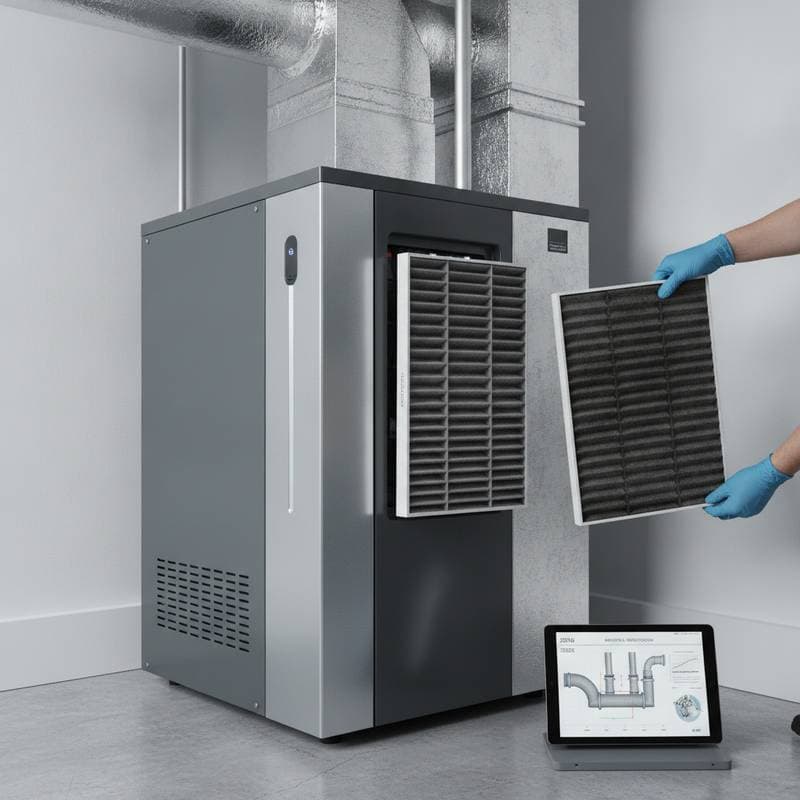
Dirty filters restrict airflow, forcing the system to overwork and increasing energy use. Locate the filter in the return air duct or furnace housing, noting its size for replacements.
Typical cost ranges from 10 to 40 dollars depending on filter type. Most disposable filters require replacement every one to three months, while washable versions can be cleaned and reused. A clean filter protects the blower motor, prevents overheating, and improves overall efficiency.
Step 3: Test the Thermostat
A malfunctioning thermostat leads to inefficient cycling or failure to maintain set temperatures. Switch the thermostat to heat mode and adjust the setting several degrees above the current room temperature. Observe if the furnace activates and warm air flows from the vents.
If no response occurs, inspect batteries and wiring connections. For programmable or smart thermostats, confirm the schedule aligns with your routine; these devices can reduce heating costs by up to 10 percent through automatic adjustments when you are away or sleeping.
Step 4: Clean Vents and Registers
Blocked vents disrupt airflow, causing uneven heating and higher energy consumption. Remove visible dust and debris from supply and return vents throughout the home using a vacuum with a brush attachment.
Straighten any bent fins on registers to maximize air distribution. Inaccessible areas, such as duct interiors, may require professional cleaning to eliminate allergens and restore balance.
Step 5: Clean Burners and Flame Sensor
Gas furnaces rely on clean burners for safe and efficient ignition. Accumulated dust or rust results in uneven flames, incomplete combustion, or ignition delays. Shut off gas and electricity before accessing the burner assembly.
Gently brush away residue with a soft tool and inspect for corrosion or misalignment. The flame sensor, which confirms burner operation, often collects soot; remove it carefully, polish with fine steel wool, and reinstall. Persistent issues demand a technician's expertise to avoid gas-related dangers.
Step 6: Lubricate Moving Parts
Components like the blower motor and fan bearings need lubrication to operate smoothly and quietly. Consult your furnace manual for specific oil types and access points, typically small ports on the motor housing.
Apply a few drops of SAE 20 non-detergent oil annually, avoiding over-lubrication which attracts dirt. This simple task reduces friction, extends part life, and minimizes energy waste from strained operation.
Step 7: Examine Electrical Connections
Loose or corroded wiring compromises system reliability and poses safety risks. Disconnect power at the breaker before opening the furnace panel. Inspect terminals for tightness, burnt insulation, or discoloration.
Secure connections with an insulated screwdriver, taking care not to overtighten. If burning smells or melted wires appear, halt work and summon a licensed HVAC professional for repairs.
Step 8: Check Ductwork for Leaks
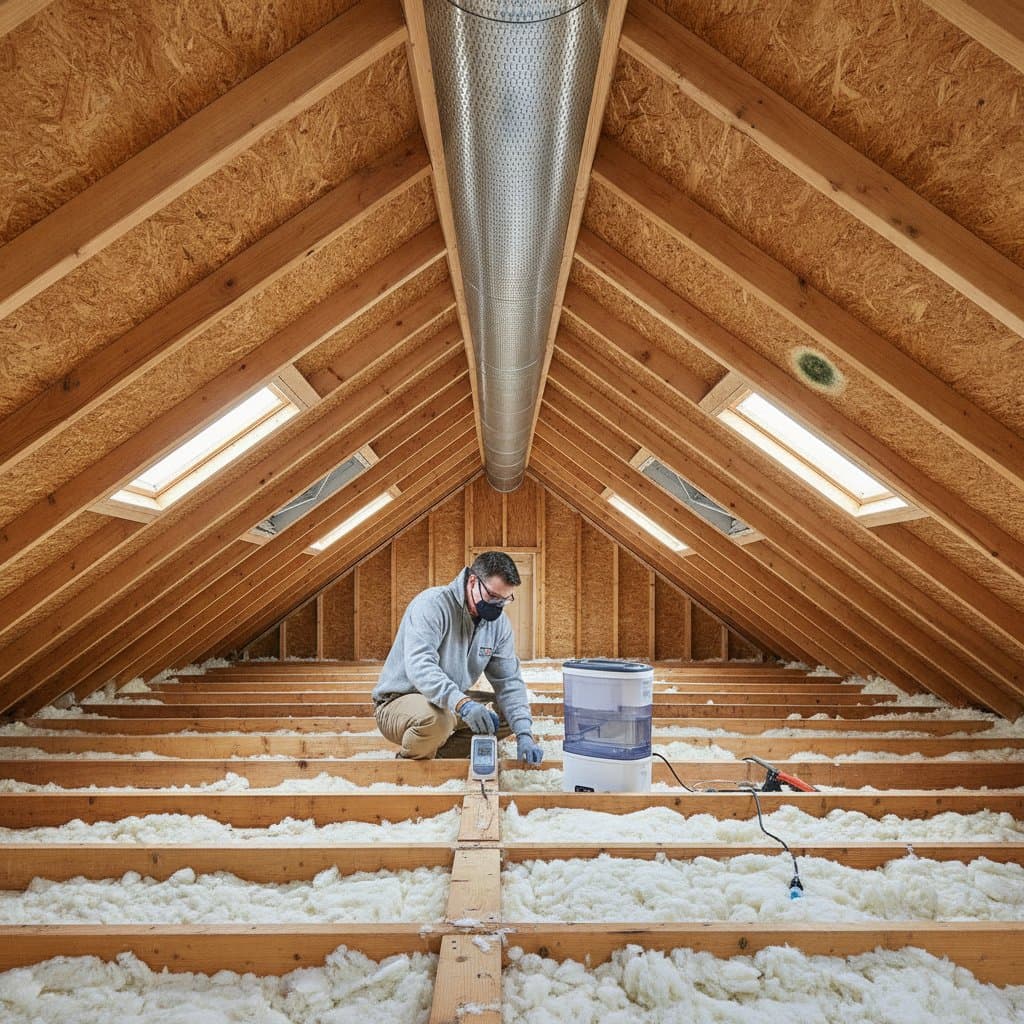
Leaky ducts waste up to 30 percent of heated air, inflating bills unnecessarily. Inspect visible joints and seams in attics, basements, or crawl spaces for gaps or separations.
Seal imperfections with mastic sealant or aluminum foil tape, steering clear of cloth duct tape which deteriorates quickly. Professional duct testing ensures comprehensive fixes for hidden leaks.
Step 9: Test Safety Controls
Furnaces incorporate safeguards like the high-limit switch, pressure switch, and rollout sensor to avert overheating or gas leaks. If a control has tripped, press the reset button and monitor for recurrence.
Frequent activations signal underlying problems such as restricted airflow or faulty parts; never override these mechanisms. Engage a qualified technician to diagnose and resolve issues before resuming use.
Troubleshooting Common Heating Problems
Even with maintenance, issues may arise. Address them systematically to restore function quickly.
Uneven Heating: Cooler rooms often stem from obstructed vents, duct leaks, or suboptimal thermostat positioning. Measure temperatures across spaces with a digital thermometer and seal ducts with appropriate materials to even out distribution.
Short Cycling: Frequent on-off cycles indicate dirty filters, poor thermostat placement, or airflow restrictions. Verify the limit switch operates correctly; overheating triggers this protective response.
No Heat Output: Begin with basics: ensure power supply, reset breakers, and confirm the gas valve position. Clean or replace a faulty pilot light or igniter if needed.
Unusual Noises: Rattling suggests loose panels or expanding ducts, while squeals point to dry bearings or slipping belts. Tighten components or lubricate as required, but seek expert help for ongoing sounds.
Signs That Require Professional Intervention
While DIY efforts maintain basic health, certain symptoms necessitate certified expertise. Contact an HVAC technician promptly if you detect:
- Lingering gas smells or soot deposits near the unit
- Frequent safety switch activations
- Carbon monoxide alarm triggers
- Heat exchanger cracks
- Ignition failures or pilot light outages
These indicators could signal serious faults requiring specialized tools and knowledge.
Sustaining Efficiency Year-Round
Regular tune-ups form the foundation of long-term HVAC performance. Track maintenance dates in a log to stay proactive, and consider annual professional servicing for comprehensive checks. These habits not only curb costs but also safeguard your home's comfort and safety through every season.