Smart Filter Choices Cut Your Fall Heating Costs
Save Money on Fall HVAC Filter Swaps
As cooler weather arrives, your HVAC system ramps up to maintain indoor comfort. A clean filter ensures efficient furnace operation, yet regular replacements can strain budgets. Homeowners often underestimate annual filter expenses, particularly in fall when system demands peak. Implement targeted strategies to lower costs while preserving air quality and equipment performance.
Understanding What Your HVAC Filter Does
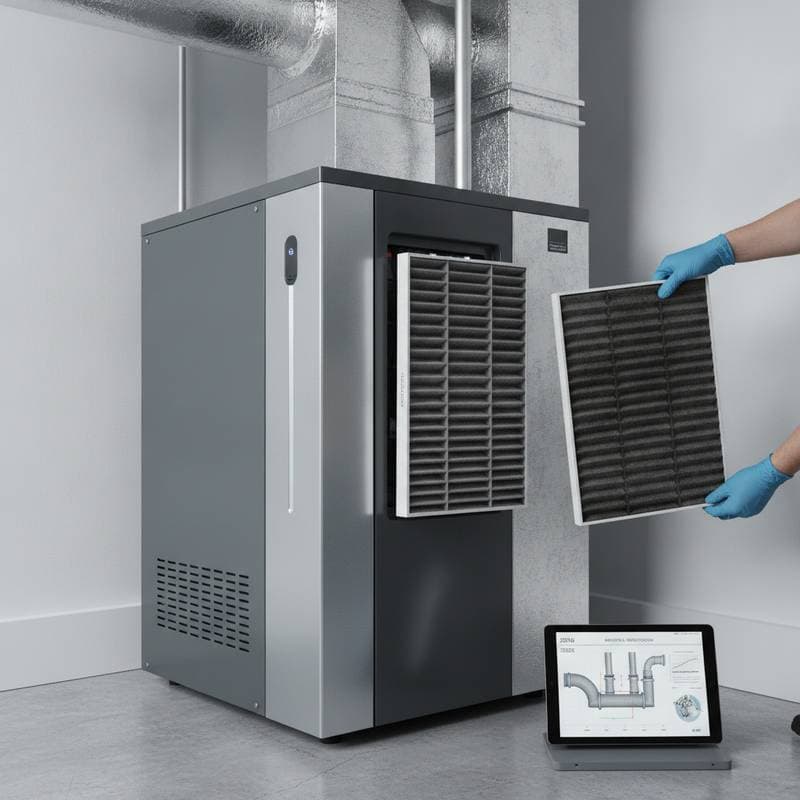
HVAC filters capture dust, pollen, pet dander, and other particles to prevent them from circulating through your furnace and ducts. This action safeguards internal parts and promotes healthier indoor environments. When filters clog, systems strain, elevating energy consumption and accelerating wear.
Each filter carries a MERV rating from 1 to 20, indicating particle capture efficiency. For most homes, ratings of 8 to 13 suit residential setups. Higher ratings trap finer particles but risk airflow restriction in incompatible systems. Review your equipment manual or seek technician advice to select compatible options.
Choose the Right Filter Type for Your Needs
Filters vary by material and construction, influencing cost and durability. The optimal choice minimizes replacement frequency while meeting filtration goals.
- Fiberglass filters range from $1 to $3 per unit and handle large particles effectively. They overlook finer contaminants and require monthly changes, leading to higher cumulative expenses in heavy-use scenarios.
- Pleated filters price at $5 to $20 based on pleat depth. These options secure smaller particles and endure 60 to 90 days, striking an ideal balance for many households.
- Electrostatic filters employ static charge to draw particles, costing $15 to $25 with lifespans exceeding 90 days. Washable variants cut waste and ongoing outlays.
- High-efficiency filters exceeding MERV 13 suit allergy-prone homes, priced up to $50, and sometimes demand expert fitting.
For standard conditions, opt for pleated filters rated MERV 8 to 11. They deliver reliable performance without excessive cost.
Plan Ahead to Avoid Premium Prices
Filter prices surge with seasonal demand. Purchasing bulk quantities early yields savings of up to 20 percent over individual buys. Monitor deals at warehouse stores and online vendors specializing in multi-packs.
Confirm dimensions of your current filter prior to purchase. Standard sizes encompass 16x20 inches, 20x25 inches, and 14x30 inches, though minor discrepancies matter. Ill-fitting units permit air leakage, undermining efficiency and risking component damage.
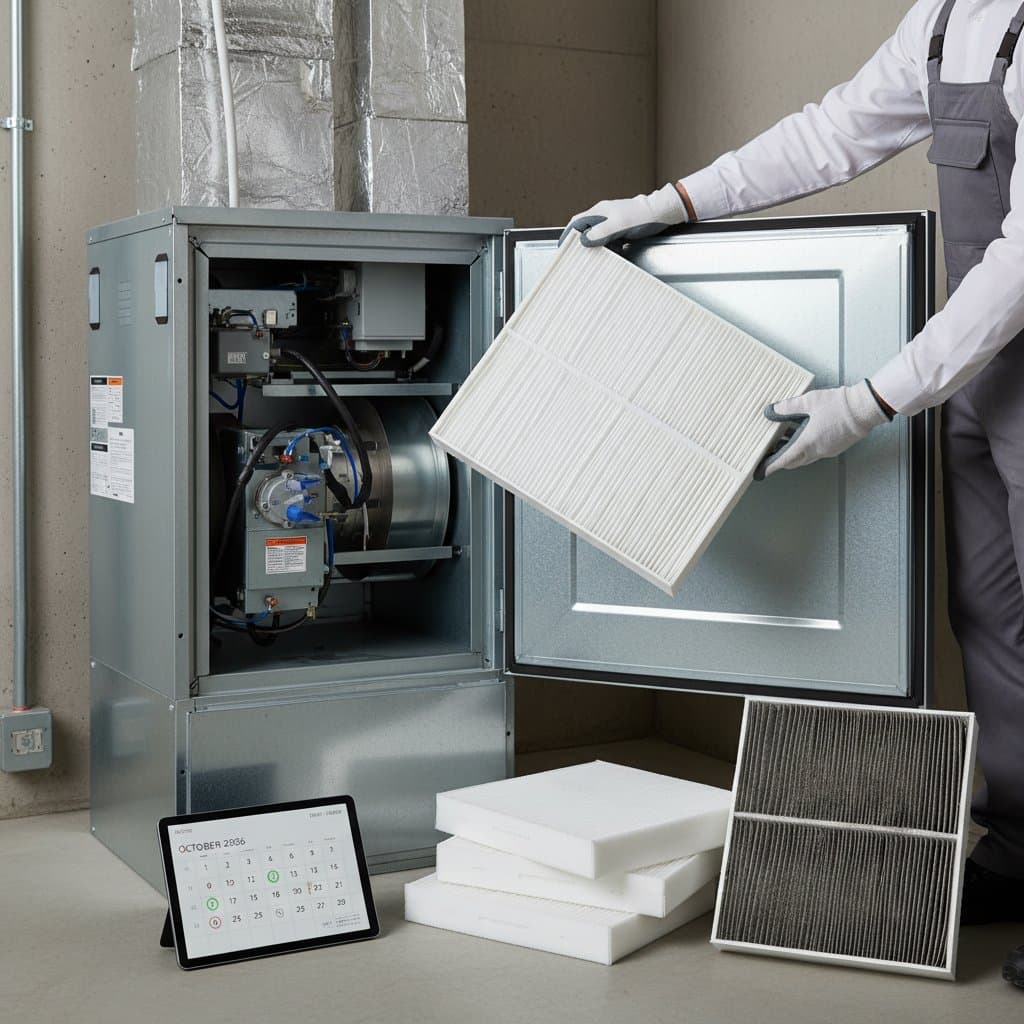
Store spares in a flat, dry location shielded from sunlight. Exposure to humidity warps frames and compromises effectiveness upon installation.
Set a Reliable Filter Replacement Schedule
Replace filters based on condition rather than fixed intervals to optimize savings. Manufacturer guidelines often recommend monthly swaps, but moderate usage permits longer cycles.
Inspect monthly by holding the filter against light; opacity signals replacement time. Residences with pets or tobacco use demand quicker intervals, whereas low-activity spaces extend to 60 or 90 days.
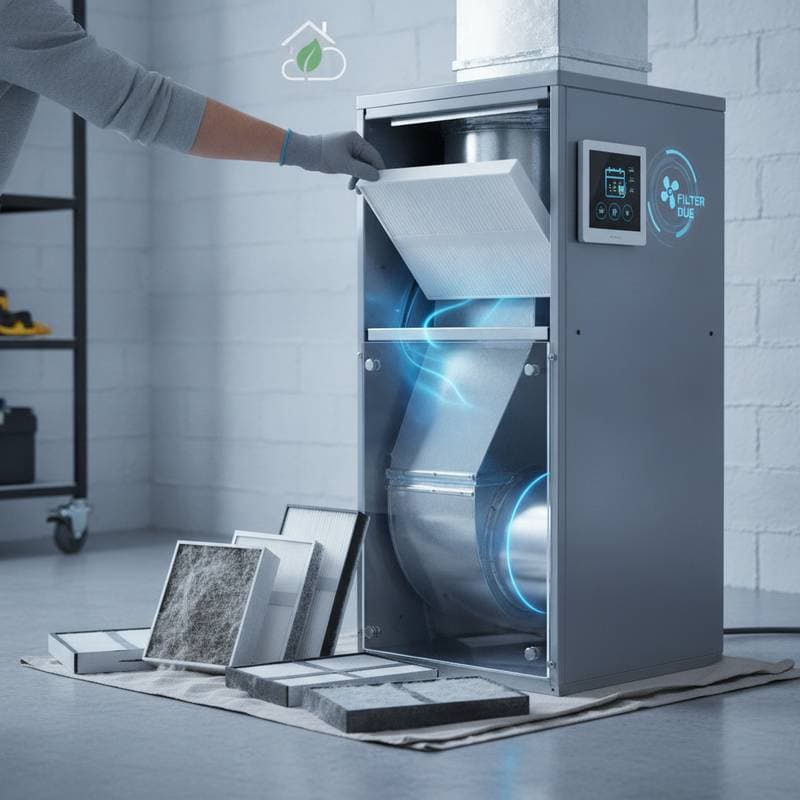
Integrate smart thermostats that assess airflow and runtime for timely alerts. This method avoids unnecessary changes and sustains peak operation.
Clean Reusable Filters for Long-Term Savings
Reusable filters offer enduring value by curbing disposables and repeat purchases. With diligent care, they serve up to five years.
To maintain, power down the system, extract the filter, and rinse under gentle water flow. Allow full air-drying before reinsertion. Avoid abrasives or forceful streams that harm the media.
Maintain a pair for seamless alternation. Initial investment recoups within one year through eliminated disposals.
Improve Air Quality to Extend Filter Life
Minimize indoor contaminants to prolong filter usability and trim expenses. Adopt these practices:
- Employ HEPA vacuums for routine floor and surface cleaning.
- Seal windows during gusty conditions to block external dust.
- Place doormats at entrances to capture outdoor soil.
- Activate kitchen and bathroom vents during meals or baths to manage moisture and particulates.
- Arrange professional duct cleaning every three to five years for evident accumulations.
Reduced pollutant loads lighten filter burdens, delaying replacements and enhancing longevity.
Work with a Professional for Seasonal Maintenance
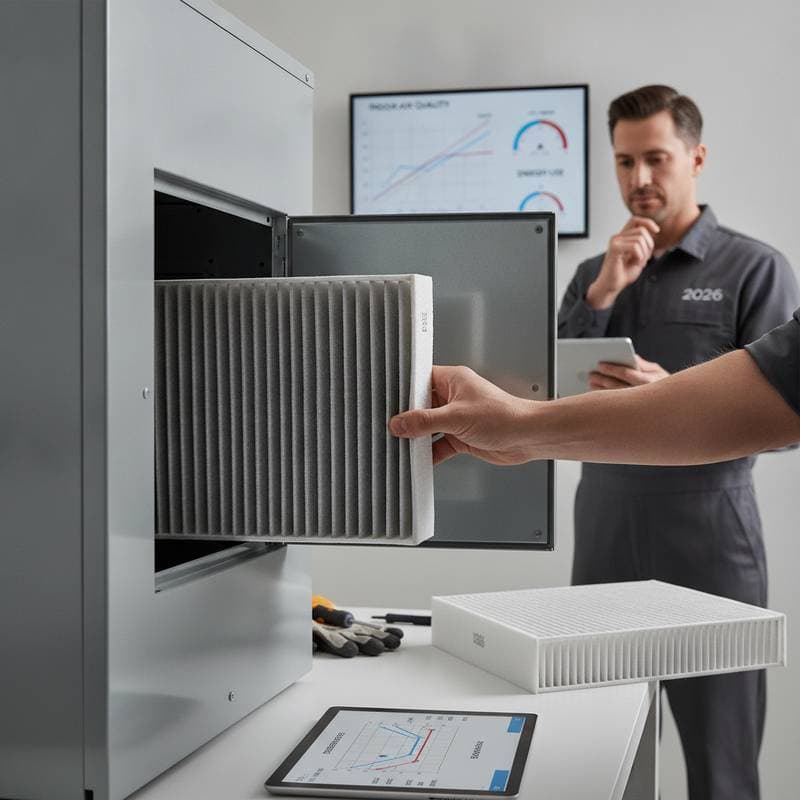
Professional inspections enhance efficiency and preempt repairs. Technicians evaluate airflow, adjust thermostats, and examine gaskets and drives during visits.
Seasonal plans frequently bundle filter services at reduced fees. Inquire about inclusions like delivery or on-site swaps. Partnerships with suppliers enable discounted, scheduled deliveries, streamlining adherence.
Compare Subscription Services
Automated delivery programs provide steady supply and pricing stability. Providers such as FilterEasy and Second Nature align shipments with your cycle.
Though per-unit rates appear elevated, they offset overlooked maintenance that inflates bills. Weigh yearly totals, factoring shipping, against bulk alternatives. For minimal effort, subscriptions guarantee uniformity and punctuality.
Track Energy and Cost Savings Over Time
Timely filter maintenance trims energy demands by as much as 15 percent. Log utility statements pre- and post-implementation to quantify impacts.
Over months, patterns emerge from consistent practices. Pair with strategic buying and cleanliness routines for substantial reductions.
Use a spreadsheet to log filter specifics, expenses, dates, and efficiencies. This analysis refines selections for your setting.
Protect Your System and Budget Year-Round
Strategic filter management safeguards finances and equipment durability. Choose suited products, procure timely, and control pollutants to secure clean air and economical runs. Incremental shifts, from bulk orders to reusables, accumulate into significant gains.