Key Components of Greywater Systems
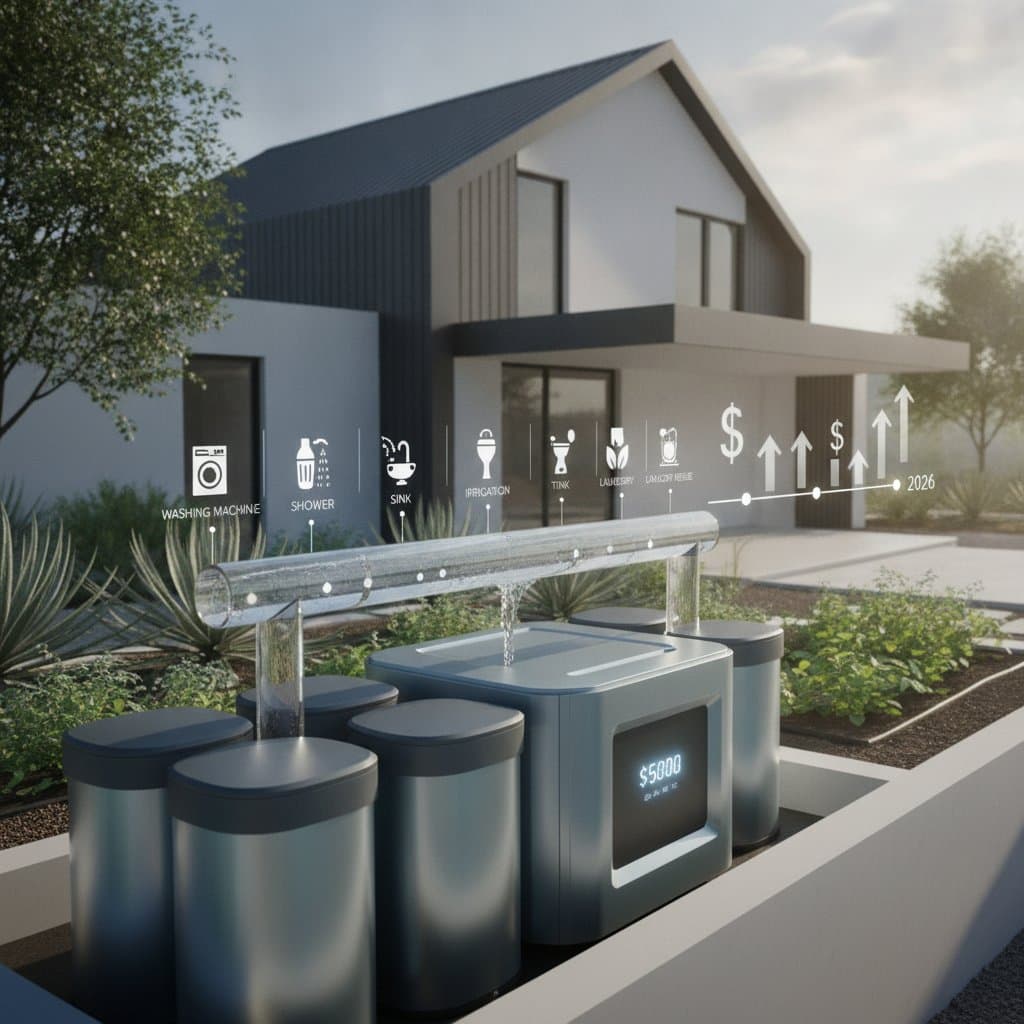
Greywater systems collect, treat, and redistribute lightly used water from sources such as sinks, showers, and laundry machines. These setups typically include several essential elements to ensure safe and efficient operation.
- Collection points: Drains from bathroom sinks, showers, and washing machines capture greywater before it enters the main sewer line.
- Filtration and treatment: Basic screens remove debris, while advanced units use biological filters or disinfection to purify the water for non-potable uses.
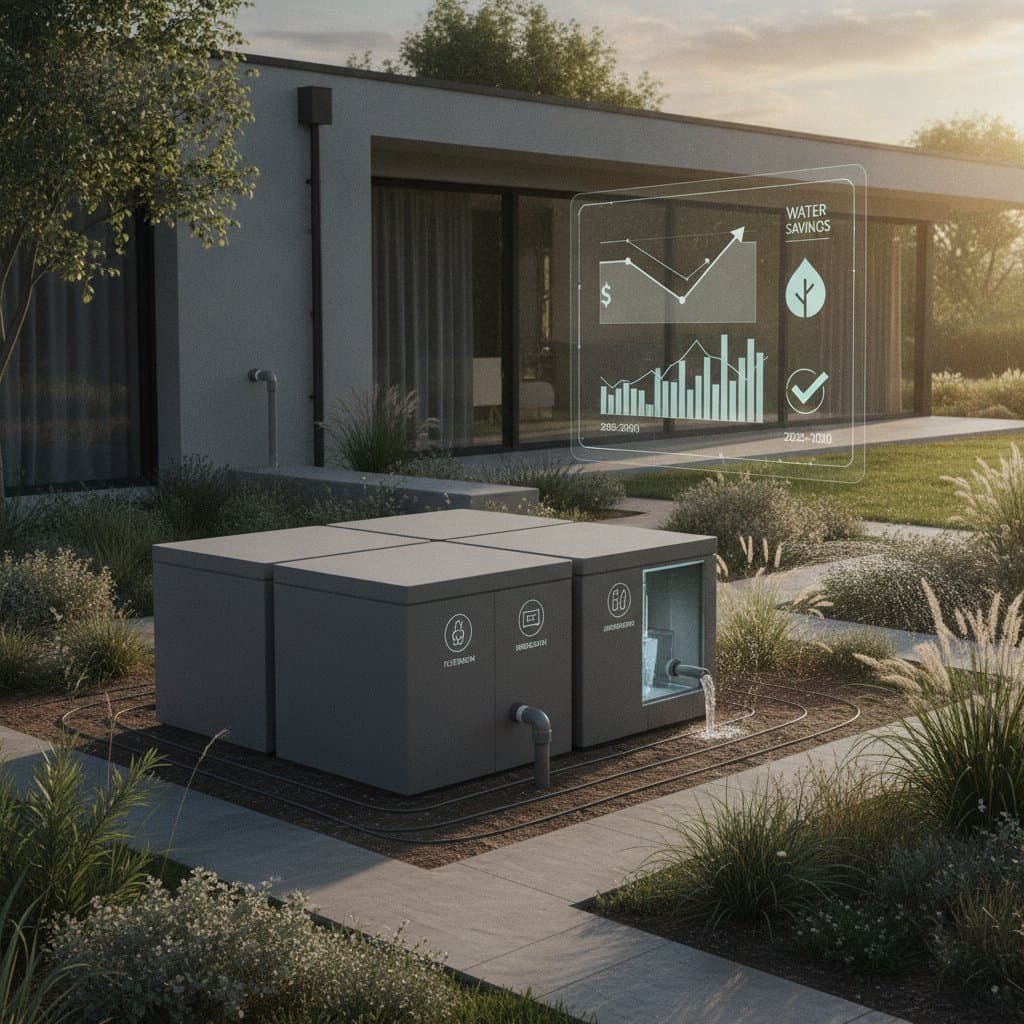
- Storage tank: This component holds the treated water temporarily before reuse, often sized based on daily household needs.
- Distribution network: Pumps or gravity-fed lines deliver water to irrigation zones or toilet flushing systems, minimizing energy use.
- Control panel or sensors: In sophisticated installations, these manage flow rates, monitor water quality, and alert users to maintenance needs.
Selecting components that match your home's layout ensures reliable performance and compliance with local standards.
Return on Investment and Payback Period
The financial return on a greywater system varies with local water rates, daily consumption habits, and the proportion of water suitable for recycling. Households in high-cost water areas or those with extensive landscaping often recover costs in five to eight years. Even in regions with moderate rates, the combination of ongoing savings and ecological advantages makes the investment worthwhile over time.
Sample Return Calculation
Consider a family of four that consumes 200 gallons of water daily. Approximately 60 percent of this volume qualifies as greywater from indoor sources. At an average rate of $0.015 per gallon, the yearly fresh water expense totals about $1,100. Recycling half of the greywater could yield annual savings of $550. For a $5,000 installation, the system reaches break-even in under ten years. Rising water prices accelerate this timeline, potentially shortening payback to seven years or less.
To refine this estimate for your situation, track monthly bills and identify reusable water volumes through a home water audit.
Enduring Benefits
Beyond direct savings, greywater systems safeguard against future water shortages or restrictions, preserving landscape health and property appeal. Residences equipped with integrated recycling features attract environmentally aware buyers and may fetch higher values in markets prioritizing sustainability. These systems also contribute to broader community water conservation efforts, enhancing overall resilience.
Installation Factors and Plumbing Essentials
Prior to installation, verify compliance with local building codes, as some jurisdictions mandate permits for systems involving storage or plumbing connections. Engage a licensed plumber to evaluate your existing drain configuration, pinpoint secure collection areas, and eliminate risks of contamination with drinking water supplies.
Essential Installation Guidelines
- Prioritize access: Position filters and valves in easily reachable spots to simplify routine cleaning and inspections.
- Incorporate backflow safeguards: These devices prevent greywater from entering clean water lines, upholding safety protocols.
- Select suitable piping: Clearly label all recycled water conduits with purple markers or similar identifiers to prevent misuse.
- Opt for gravity-assisted flow: Where terrain allows, rely on natural slopes rather than pumps to cut electricity expenses and wear.
- Add overflow safeguards: Install valves or drains to manage excess water during peak usage, avoiding floods or backups.
Proper integration minimizes issues like odors or pest attraction. Direct distribution to subsurface irrigation keeps treated water away from human or animal contact, promoting hygienic use.
Available Incentives and Emerging Policies
Many cities and water utilities provide financial rebates for greywater projects, with amounts from $200 for entry-level systems to over $2,000 for complex configurations. Program details evolve, so consult your local water district's online resources for up-to-date eligibility and application processes.
In addition, certain areas expedite permitting for retrofit installations, acknowledging their role in reducing municipal infrastructure strain. New construction incorporating these systems frequently earns credits toward green building certifications, boosting resale potential. A plumbing professional noted in an online forum that such rebates typically offset 10 to 20 percent of costs, markedly enhancing financial returns. As water scarcity intensifies, policymakers expand these supports to advance conservation objectives.
Selecting an Appropriate System for Your Residence
The ideal greywater solution aligns with your consumption profile, site constraints, and financial parameters. For targeting outdoor watering reductions, a laundry-to-landscape diversion offers simplicity and low cost. During extensive remodels, a full-home system woven into updated plumbing maximizes reuse and ease of use.
Critical Selection Criteria
- Reusable water quantity: Assess daily greywater generation from fixtures like showers and appliances.
- Available space: Account for tank and filter placement without disrupting living areas.
- Regulatory demands: Review permit processes and approved technologies in your locale.
- Landscape suitability: Evaluate soil drainage and plant requirements for irrigation applications.
- Budget and timeline: Balance initial outlay against projected savings over five to ten years.
Partner with a plumber versed in eco-friendly installations. They evaluate drain accessibility, devise secure dispersal methods, and confirm adherence to sanitation rules. Specialized contractors often manage the full lifecycle, from planning to ongoing support.
Sustaining System Performance
After setup, treat your greywater system as a core plumbing asset requiring consistent upkeep to sustain savings and functionality. Regularly flush conduits, cleanse filters, and inspect sensors to avert expensive fixes. Maintain a record of service intervals and conserved water volumes to gauge effectiveness and identify improvements.
For automated models, recalibrate controls seasonally to adapt to changing weather or usage. Monitor storage levels and adjust distribution as needed for optimal results. Manual variants demand checks on diverter mechanisms and clearance of output zones to prevent stagnation. With diligent care, these systems deliver reliable, decade-long service while cutting bills by 30 to 50 percent.