Prevent AC Breakdowns with Essential Summer Maintenance
An air conditioner failure during the peak of summer heat disrupts comfort and leads to urgent repair costs. Many such breakdowns stem from neglected maintenance rather than system age. Investing time in preseason preparation protects your home and budget effectively.
Core Preparation Steps for Reliable Cooling
Effective AC maintenance focuses on inspection, cleaning, and testing to optimize performance. These actions address common issues like restricted airflow and component strain. Completing them early sets the foundation for a trouble-free season.
Detailed Summer AC Maintenance Checklist
1. Replace or Clean the Air Filter
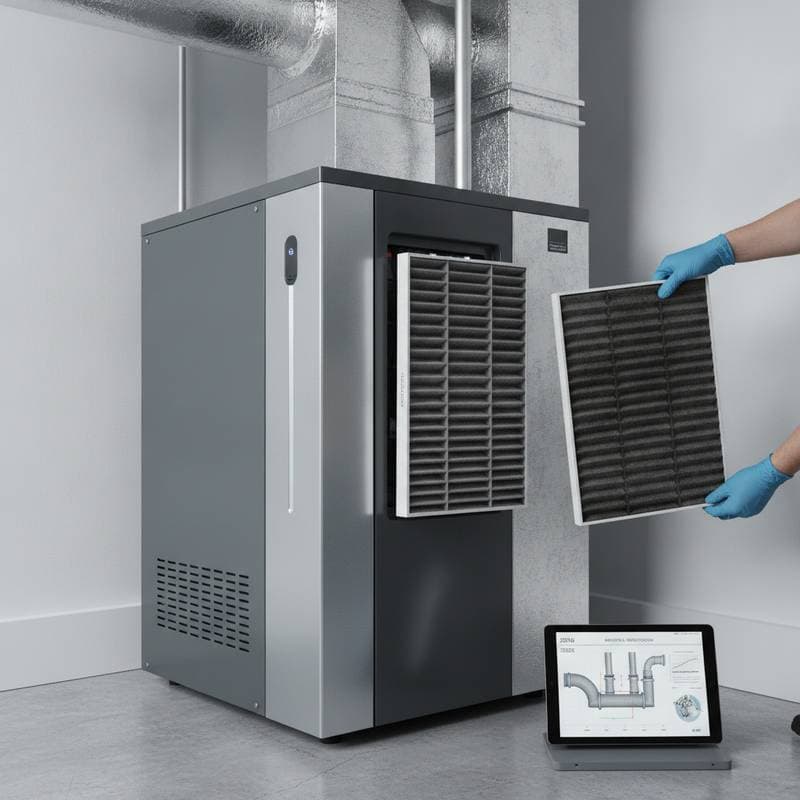
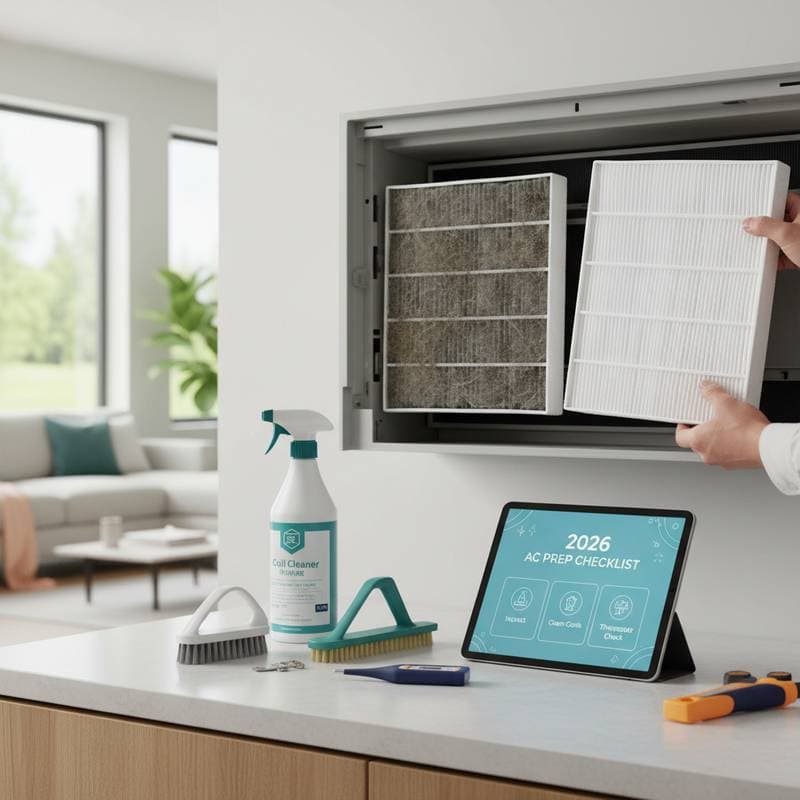
Clogged filters reduce airflow and force the system to work harder, increasing energy use and wear. For disposable filters, replace them every 30 to 60 days based on usage and air quality. Reusable filters require gentle cleaning with mild soap and warm water, followed by thorough drying before reinstallation.
Select filters with a MERV rating of 8 to 11 to balance filtration and airflow in standard residential systems. Higher ratings above 13 may suit advanced setups but can strain older units. Always verify the exact dimensions, such as 16x25x1 inches, marked on the filter frame to ensure a proper fit and prevent air leaks.
2. Clear Debris from the Outdoor Condenser Unit
Accumulated debris around the outdoor unit impedes heat dissipation and raises operating temperatures. Maintain a minimum clearance of 24 inches on all sides and 60 inches above the unit to allow unrestricted airflow. This spacing also protects against accidental damage from lawn equipment.
Before cleaning, switch off power at the unit's disconnect box to ensure safety. Remove the top grille if accessible, then use a soft brush to dislodge loose debris. Rinse the condenser fins with a steady stream from a garden hose, directing water from the inside out to avoid bending the delicate aluminum structure.
3. Inspect and Flush the Condensate Drain Line
Blockages in the drain line lead to water overflow, potential mold growth, and system shutdowns. The line, typically a PVC pipe exiting near the indoor evaporator coil, requires regular attention to remove sediment and algae. A simple flush prevents these issues without specialized tools.
Prepare a solution of equal parts white vinegar and water, then pour it slowly into the line's access point. Allow it to sit for 15 to 30 minutes before flushing with clean water. Perform this maintenance monthly during the cooling season, and monitor the drain pan for standing water, which signals the need for professional intervention.
4. Verify Thermostat Functionality and Calibration
An inaccurate thermostat causes inconsistent temperatures and inefficient cycling. Switch the device to cool mode and adjust the setpoint several degrees below the current room temperature. The system should activate within one minute; delays often indicate low batteries, loose wiring, or calibration errors.
For programmable or smart thermostats, confirm firmware updates and stable Wi-Fi connections to enable precise scheduling and remote adjustments. Optimal summer settings range from 76 to 78 degrees Fahrenheit, balancing comfort with energy savings. Test multiple cycles to ensure reliable response across the day.
5. Assess Ductwork for Leaks and Damage
Leaking ducts lose up to 30 percent of conditioned air, driving up utility bills and reducing cooling effectiveness. Examine visible sections in attics, basements, or crawl spaces for signs of wear, such as separated seams or deteriorated insulation. Addressing these vulnerabilities improves overall system efficiency.
Repair minor issues by applying mastic sealant to joints or using UL-listed foil tape for reinforcement. Avoid household duct tape, which degrades quickly under heat and humidity. For inaccessible areas or suspected major losses, engage a technician for a blower door or duct pressurization test to quantify and seal hidden leaks accurately.
Pitfalls in AC Maintenance to Sidestep
Overlooking power disconnection before servicing coils risks electrical hazards and component damage. Installing mismatched filter sizes allows unfiltered air to circulate, bypassing protection and accelerating wear. Unusual sounds, like rattling or hissing, or frequent short cycles demand immediate attention to prevent escalation.
Annual professional tune-ups provide comprehensive diagnostics beyond basic homeowner tasks. Exposed refrigerant lines without proper insulation lead to energy loss and frost buildup. Vigilance against these errors sustains long-term reliability.
Indicators for Professional HVAC Service
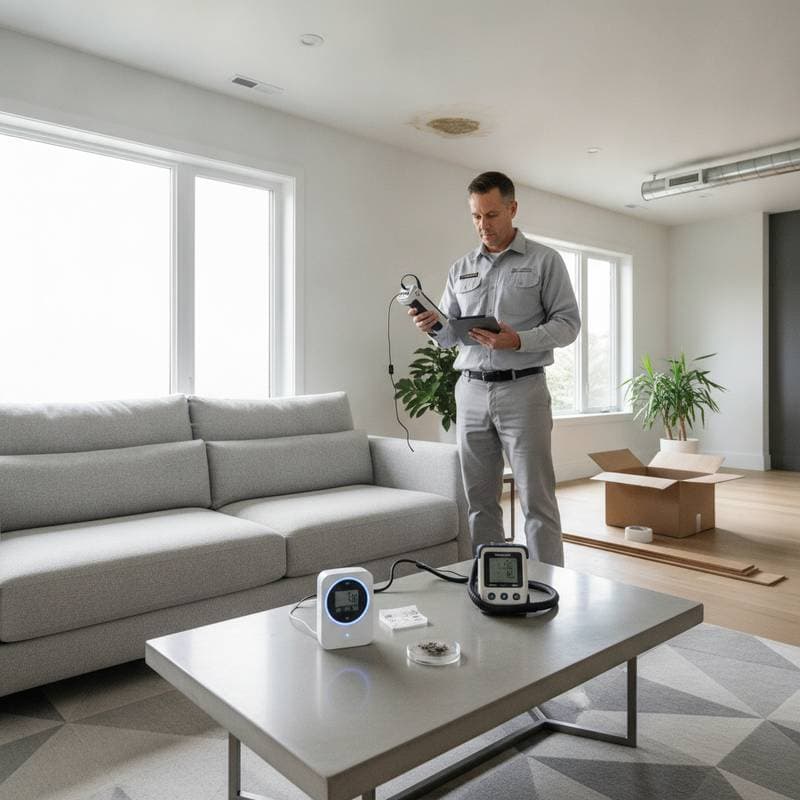
Persistent issues, such as failure to reach set temperatures or repeated circuit breaker trips, point to underlying problems like low refrigerant or electrical faults. Systems relying on phased-out refrigerants, such as R-22, require expert evaluation for compliance and upgrades. Early detection averts major failures.
A standard professional tune-up, priced between 100 and 200 dollars, encompasses refrigerant level checks, electrical inspections, and thorough cleaning. These services identify wear on belts, motors, and capacitors, often extending equipment lifespan by years. Schedule this visit in early spring for optimal timing.
Enhancing Accessibility in Home Cooling
In homes with elderly residents or those with limited mobility, thermostat placement affects daily usability. Position controls 48 to 52 inches from the floor to facilitate easy access without strain. This height accommodates most users while maintaining sensor accuracy away from drafts.
Incorporate remote sensors or voice-activated models to distribute cooling evenly, especially in multi-level homes. These features allow adjustments from anywhere, promoting independence and consistent comfort. Integration with smart home systems further simplifies management.
Sustaining Peak AC Performance Year-Round
Consistent maintenance transforms your air conditioner into a dependable asset, much like routine vehicle care. Initiate the checklist well before summer peaks to identify issues proactively. Pair homeowner efforts with yearly expert servicing to minimize downtime and operational costs.
Clean filters and coils regularly to uphold efficiency ratings and indoor air quality. Monitor performance metrics, such as runtime and noise levels, for early warnings. The outcome delivers sustained cooling, lower energy demands, and enhanced home comfort through the season.