How a Simple Fall HVAC Filter Change Reduces Energy Costs
As temperatures decline, homeowners often focus on heating solutions and comfort. One essential yet frequently neglected maintenance activity involves replacing the HVAC air filter. This action promotes energy efficiency, enhances indoor air quality, and prolongs equipment life. Neglecting it results in elevated utility expenses and accelerated deterioration of costly components. The following sections outline the benefits of timely replacement and provide practical guidance for implementation during the cooler months.
The Importance of Maintaining a Clean Filter
HVAC systems depend on unobstructed airflow for optimal performance. Filters accumulate dust, pollen, pet dander, and various airborne contaminants over time. A saturated filter forces the furnace or heat pump to exert extra effort to circulate air, increasing energy demands. The Department of Energy indicates that installing a fresh filter can decrease energy usage by as much as 15 percent, representing substantial savings for an effort requiring minimal time and expense.
Furthermore, restricted airflow stresses the blower motor and related parts, potentially leading to early failures. Homeowners who overlook routine replacements often encounter expensive repairs or the need for full system overhauls ahead of schedule.
Selecting an Appropriate Filter for Your Residence
The choice of filter holds equal significance to the act of replacement. Filters receive a rating known as the Minimum Efficiency Reporting Value, or MERV, which spans from 1 to 20 and indicates particle capture capability.
- MERV 1-4: These capture large particles such as coarse dust but offer limited overall purification.
- MERV 5-8: Suitable for typical homes, these provide a balance between effective filtration and sufficient airflow.
- MERV 9-12: Advanced options that trap finer elements like pet allergens and microscopic dust.
- MERV 13-16: Designed for high-filtration environments such as hospitals, these demand systems capable of managing reduced airflow.
For most residences, ratings between MERV 8 and 12 prove ideal. Exceeding this range may impede airflow and compromise efficiency, particularly in units not engineered for intensive filtering. Review your system's manual or seek advice from an HVAC professional prior to selecting a higher rating.
Step-by-Step Guide to Filter Replacement
The replacement procedure requires little expertise once the filter location is identified.
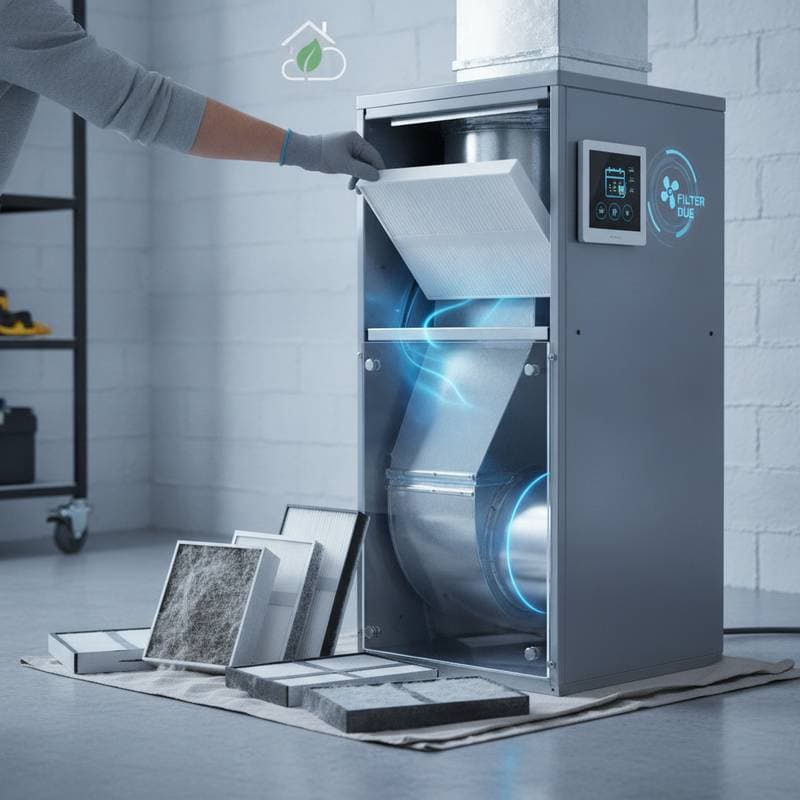
- Power down the unit. Set the thermostat to off to prevent drawing contaminants into the system during handling.
- Identify the filter compartment. Access it via the return air vent or within the furnace enclosure.
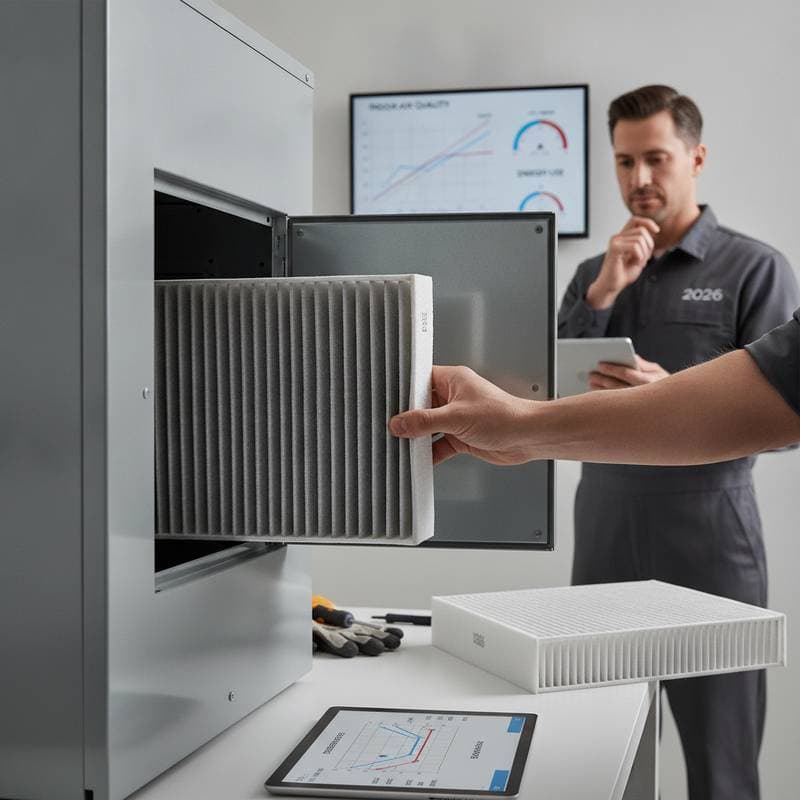
- Extract the existing filter. Remove it gently to minimize dust dispersal.
- Note the dimensions. Measurements appear on the filter's edge; record them for future purchases.
- Install the replacement. Align the directional arrow on the frame toward the blower direction.
- Reactivate the system. Restore power and verify steady operation through sound.
Replace filters in homes every one to three months, with fall marking an optimal point to refresh before intensive heating begins.
Quantifying Savings on Costs and Energy
Unimpeded airflow from a new filter allows the system to function with less resistance. Throughout an entire heating period, this efficiency gain offsets the price of several filters. For example, a household with monthly heating costs of two hundred dollars might realize savings of thirty dollars or greater through diligent maintenance, equivalent to a complimentary month of service annually.
In addition, reduced operational stress minimizes repair frequency and extends the durability of elements like motors, belts, and coils. HVAC experts frequently highlight consistent filter maintenance as the primary preventive measure against system malfunctions.
Deciding Between Self-Installation and Professional Assistance
Filter changes typically qualify as straightforward homeowner tasks, demanding only basic supplies and brief effort. However, signs such as diminished airflow, odd sounds, or uneven warmth warrant expert evaluation. Professionals can diagnose issues like obstructed ducts or soiled coils that further impair performance.
Owners of sophisticated setups, including variable-speed units or built-in purification systems, benefit from specialist intervention. Such configurations often necessitate custom filters or exact placement to sustain balanced airflow.
Essential Safety Protocols
Disconnect power sources before accessing any HVAC components. Handle filters carefully to prevent frame deformation, which could allow unfiltered air to circulate. Seal used filters in a bag for disposal to contain airborne particles. Individuals with allergies or breathing concerns should use protective gloves and a mask throughout the process.
Preparing Your System for Seasonal Demands
Autumn presents the perfect opportunity for a comprehensive HVAC assessment. In addition to filter replacement, consider these preparatory measures:
- Clear dust from vents and registers using a vacuum.
- Ensure no obstructions from furniture or carpeting impede air paths.
- Remove foliage and refuse from exterior units.
- Arrange a technician visit if the last service occurred over a year ago.
Implementing these steps enhances overall system reliability, reduces noise levels, and optimizes energy use.
Safeguarding Your HVAC Through Routine Care
Incorporating an annual fall filter replacement safeguards your heating infrastructure while curbing expenses. This practice demands scant resources yet yields tangible improvements in air purity, thermal efficiency, and operational reliability. By integrating it into your maintenance routine, you ensure consistent comfort, avert disruptions during peak cold, and uphold your home's enduring efficiency.