Avoid Summer AC Breakdowns
When outdoor temperatures climb, no homeowner desires an air conditioner that fails during a heatwave. Such a breakdown creates discomfort indoors and prompts expensive emergency repairs. Proactive measures, initiated well before peak heat, ensure reliable performance.
This guide details essential strategies to maintain peak condition, highlights key tasks, and identifies moments to engage professionals.
Establish a Seasonal Maintenance Schedule
Reliability stems from a structured routine. Categorize tasks as monthly, quarterly, and annual to cover all aspects systematically.
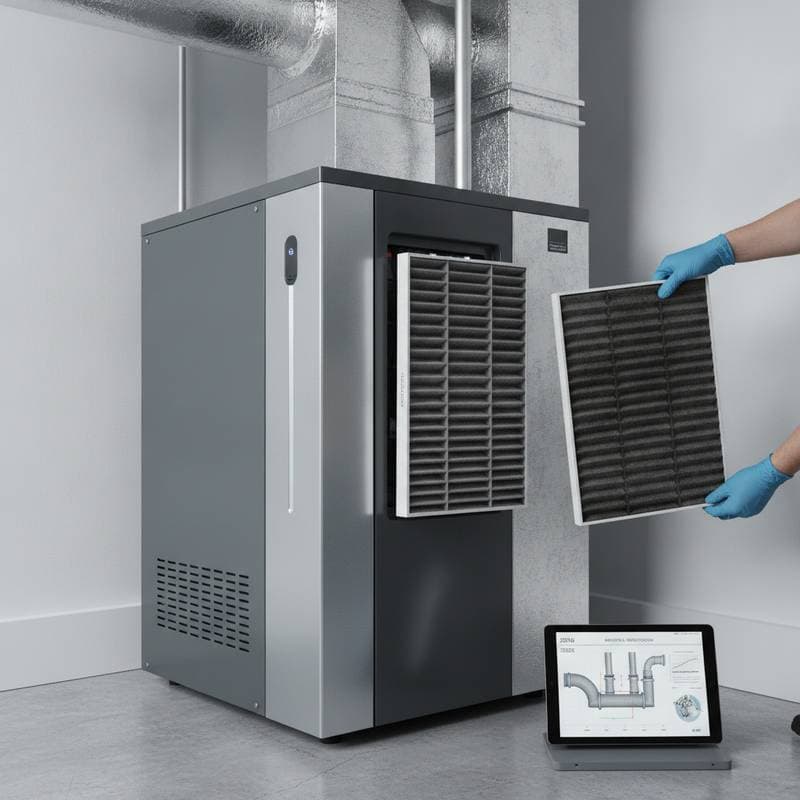
Monthly actions focus on the air filter. Inspect and replace standard fiberglass types every 30 days; pleated versions endure up to 90 days. In households with pets or elevated dust, increase frequency to every two weeks for optimal performance.
Quarterly actions encompass cleaning return vents to remove accumulated debris, examining visible duct sections for separations, and verifying thermostat functionality. For smart models, recalibrate settings quarterly to maintain precise control over temperatures.
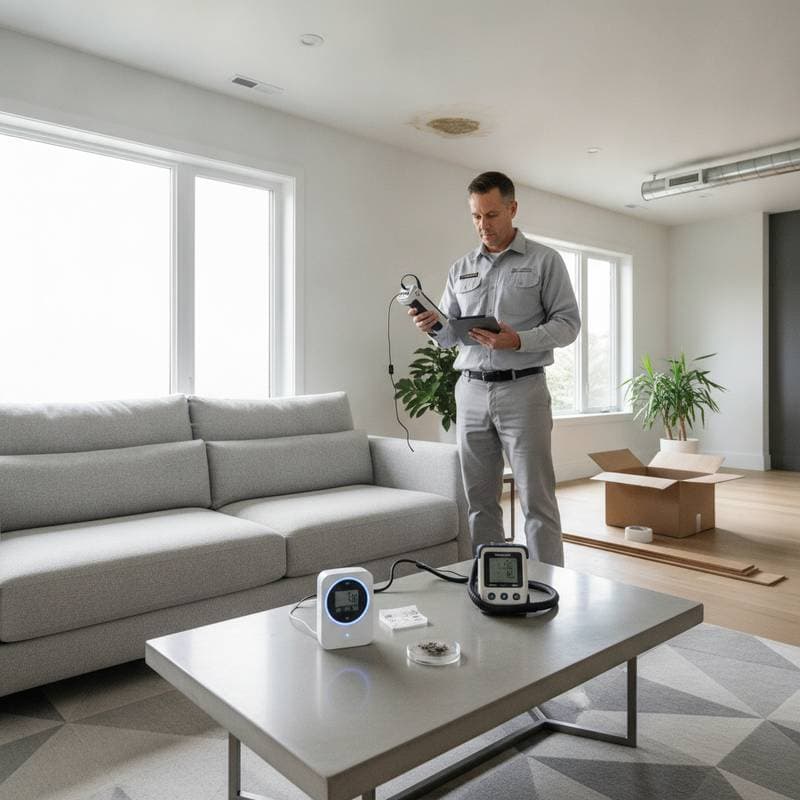
Annual actions demand professional expertise. A certified HVAC specialist assesses refrigerant charge, evaluates electrical systems, cleans evaporator and condenser coils thoroughly, and detects air leaks. Book this inspection in early spring to prepare for summer demands.
Clean the Evaporator Coils
Positioned inside the home, the evaporator coil extracts heat from indoor air. Condensation fosters dust accumulation over time, which diminishes cooling efficiency. Routine cleaning restores capacity and averts ice formation on the coil surface.
For basic upkeep, acquire a no-rinse foaming cleaner from a hardware supplier. Apply the foam uniformly to the coil fins, allow expansion for 10 to 15 minutes, and permit drainage into the condensate pan. Professionals handle extensive dirt or corrosion to avoid damage.
Maintain the Condensate Drain Line
Blockages in the drain line lead to water accumulation in the air handler, fostering leaks and mold. Locate the PVC line adjacent to the indoor unit, uncap the access point, and flush with one cup of white vinegar to dissolve algae. Perform this quarterly throughout the cooling period.
Persistent water in the pan signals deeper clogs. Connect a wet-dry vacuum to the exterior drain end and suction the obstruction until flow resumes freely.
Verify Refrigerant Levels
Insufficient refrigerant frequently indicates a leak. Operation under low charge harms the compressor, a component with high replacement costs. Indicators include lukewarm vent output, audible hisses, or frost along refrigerant tubing.
Licensed technicians alone manage refrigerant. Promptly arrange service to pinpoint leaks, execute repairs, replenish the charge, and confirm balanced pressures.
Optimize Home Airflow
A meticulously serviced unit underperforms with restricted airflow. Obstructed vents compel the system to labor excessively. Maintain all supply and return vents unobstructed, steering clear of furniture or drapery placements that impede circulation.
Examine ducts for detached joints or perforations that waste cooled air. Studies indicate that sealing and insulating ducts enhances efficiency by up to 20 percent. Apply metal tape or mastic sealant for minor breaches; professionals address substantial defects.
Secure Windows and Doors
Infiltration of hot exterior air through gaps burdens the AC excessively. Install weatherstripping on operable frames and caulk fixed joints to create airtight seals. Supplementary measures, such as reflective films on glass or thermal curtains, minimize solar heat entry.
These enhancements stabilize indoor climates with reduced runtime and energy consumption.
Manage Thermostat Settings
Excessively low settings overtax the system without added benefit. Aim for 75 degrees Fahrenheit during occupied daytime hours to harmonize comfort and savings. Elevate the setting by three to five degrees during absences to curtail electricity use.
Smart thermostats simplify adjustments by adapting to routines. Select models that issue notifications for filter swaps or efficiency declines, promoting timely interventions.
Recognize the Need for Professional Service
Homeowner efforts prove effective, yet certain diagnostics require expert equipment. Summon assistance upon observing diminished airflow, odd sounds, or inconsistent temperatures.
Comprehensive inspections uncover concealed problems, including frayed wiring or failing capacitors. Early component replacement forestalls major disruptions. Routine professional visits cost 100 to 200 dollars, far less than 1,000-dollar emergency fixes.
Explore Efficiency Enhancements
Systems aged over 10 years or prone to frequent servicing warrant replacement consideration. Contemporary units incorporate variable-speed compressors and fans that slash electricity demands.
Incorporate high-MERV air filters or programmable thermostats for amplified gains. Ceiling fans distribute air effectively, permitting higher thermostat points while preserving comfort levels.
Observe Safety Protocols
Prior to any task, deactivate power via the breaker panel. Don protective gloves and eyewear when accessing coils or lines.
Consult licensed experts for uncertain steps. Electrical safety supersedes expediency in all procedures.
Essential Maintenance Strategies
- Maintain a detailed log of filter replacements, service dates, and repairs to monitor trends and support warranty claims.
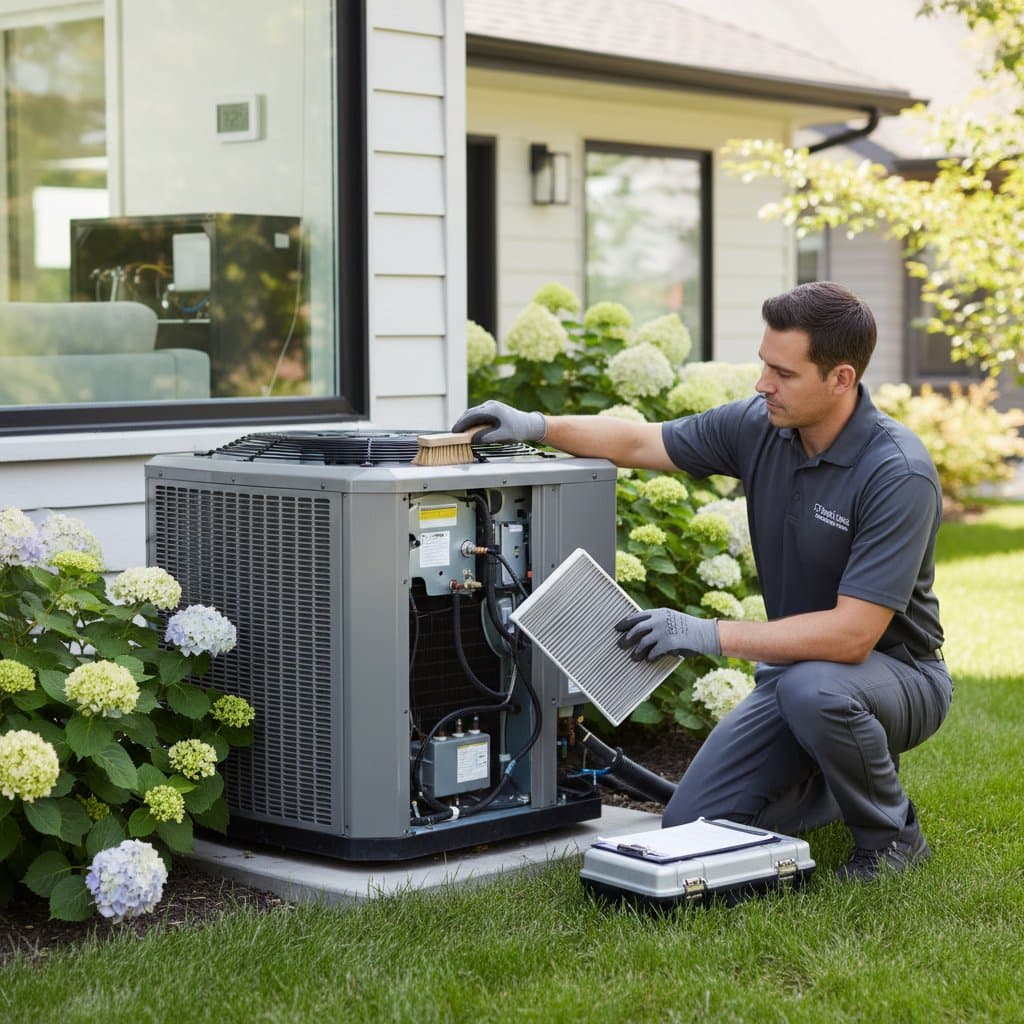
- Employ a fin comb to realign deformed condenser fins, restoring unrestricted airflow.
- Inspect and renew insulation on refrigerant lines where cracks appear.
- Vacuum dust from the air handler cabinet monthly to safeguard coils and blower.
- Operate the system for 15 minutes monthly, regardless of season, to lubricate components and preserve seals.
Achieve Enduring System Performance
Effective maintenance safeguards comfort, residence integrity, and finances. Each action, from filter vigilance to yearly inspections, minimizes failures and trims utility expenses.
Homeowners who integrate these practices into daily routines secure dependable operation through intense heat. Vigilance toward subtle cues ensures prolonged, efficient service across multiple seasons.